
 Computer Forum
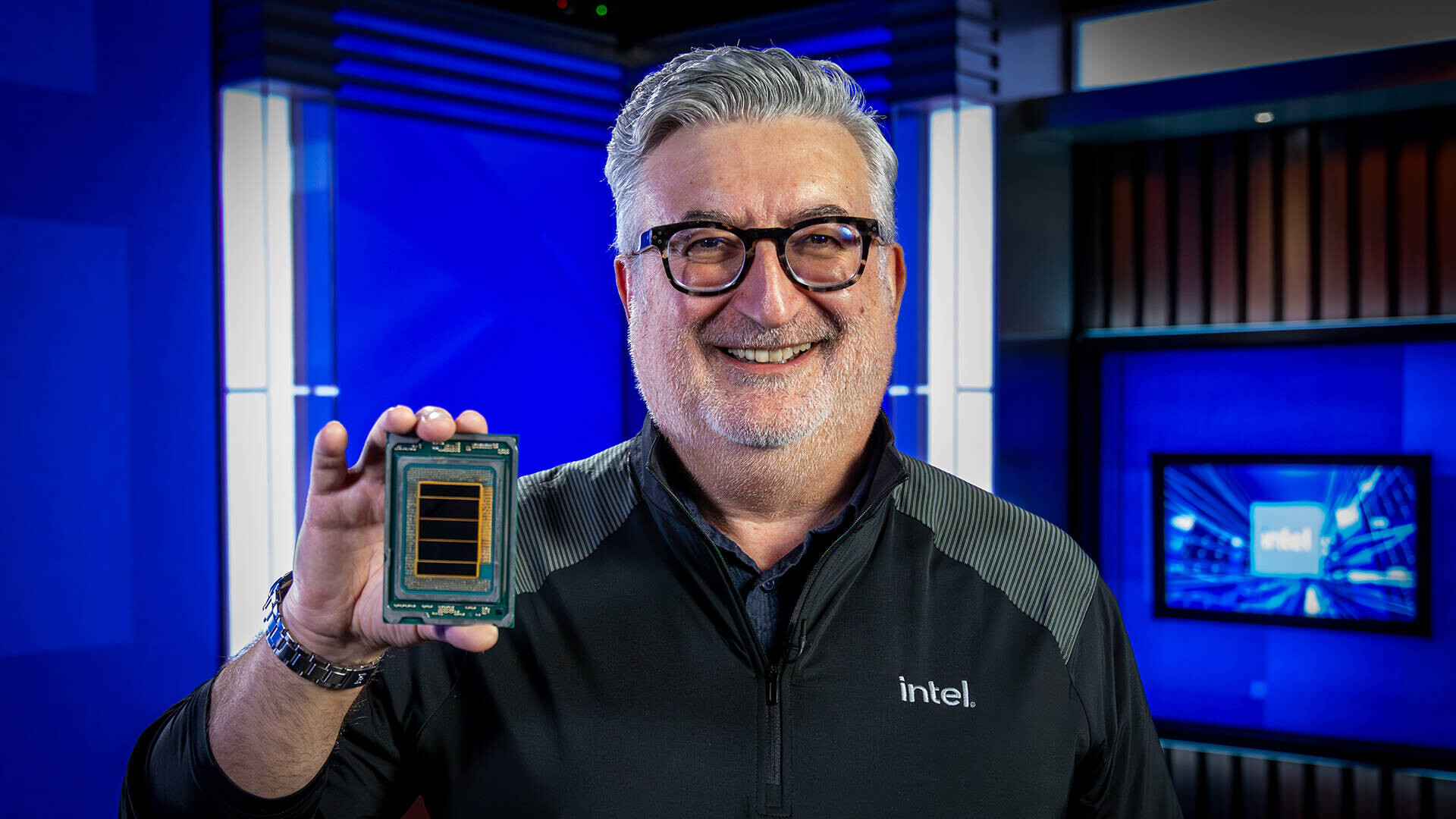 Xeron 6 Reelase (Image © Intel)
Xeon 6+ processors and Intel 18A integration
The new Xeon 6+ processors are the first data center CPUs to be manufactured using the Intel 18A process. These processors are designed for cloud-native and network-intensive environments and focus on power density and energy efficiency.
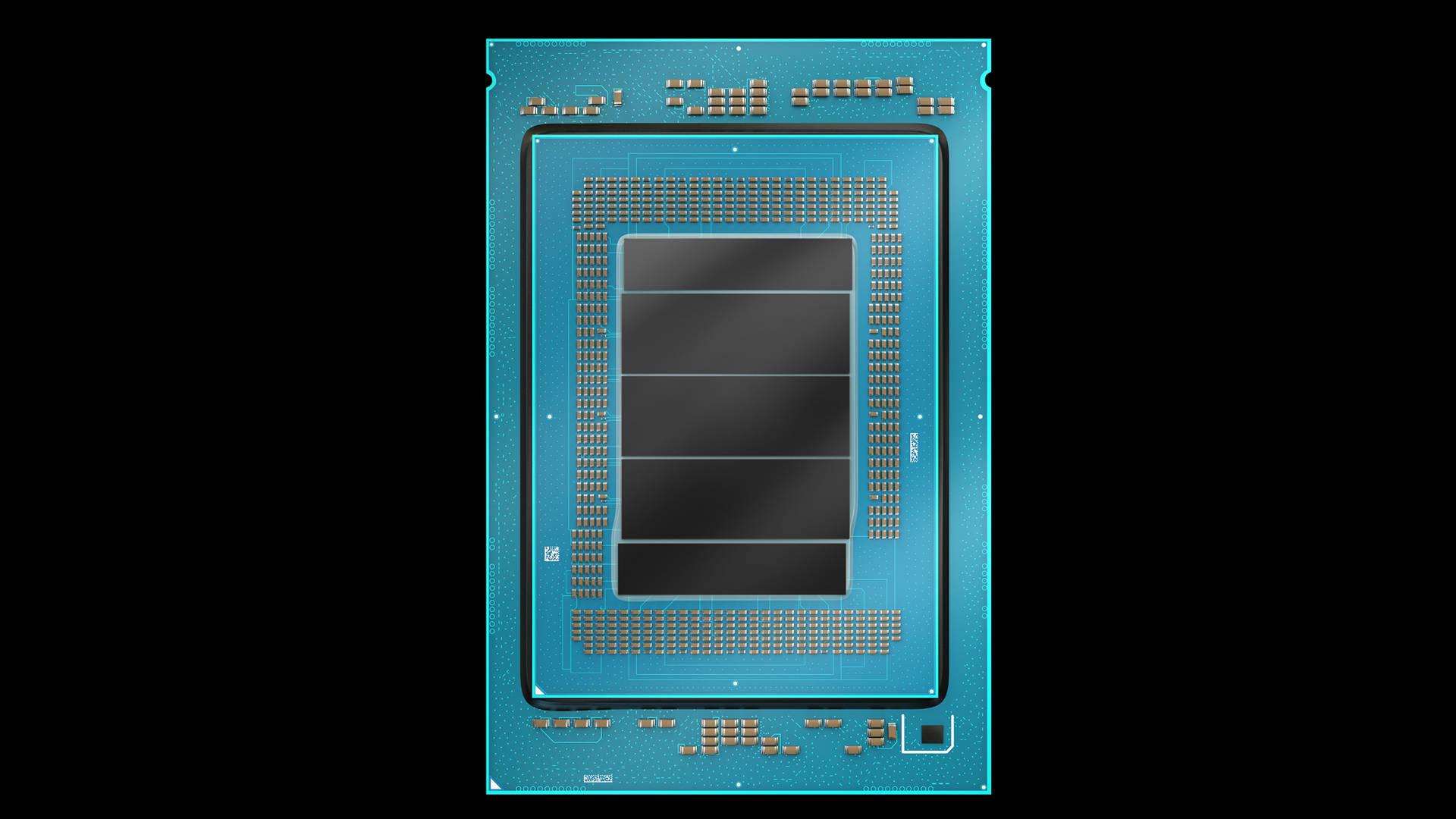 18A Delided XYeon 6 (Image © Intel)
The hardware has up to 288 efficient cores, which according to Intel means a 2.5-fold increase in performance compared to the previous generation. In addition, the processors have a 45% improvement in performance per thread and watt compared to competitor products. To handle high-density data movement, the Xeon 6+ features 12-channel DDR5 memory and 96 PCIe Gen 5 lanes with CXL support.
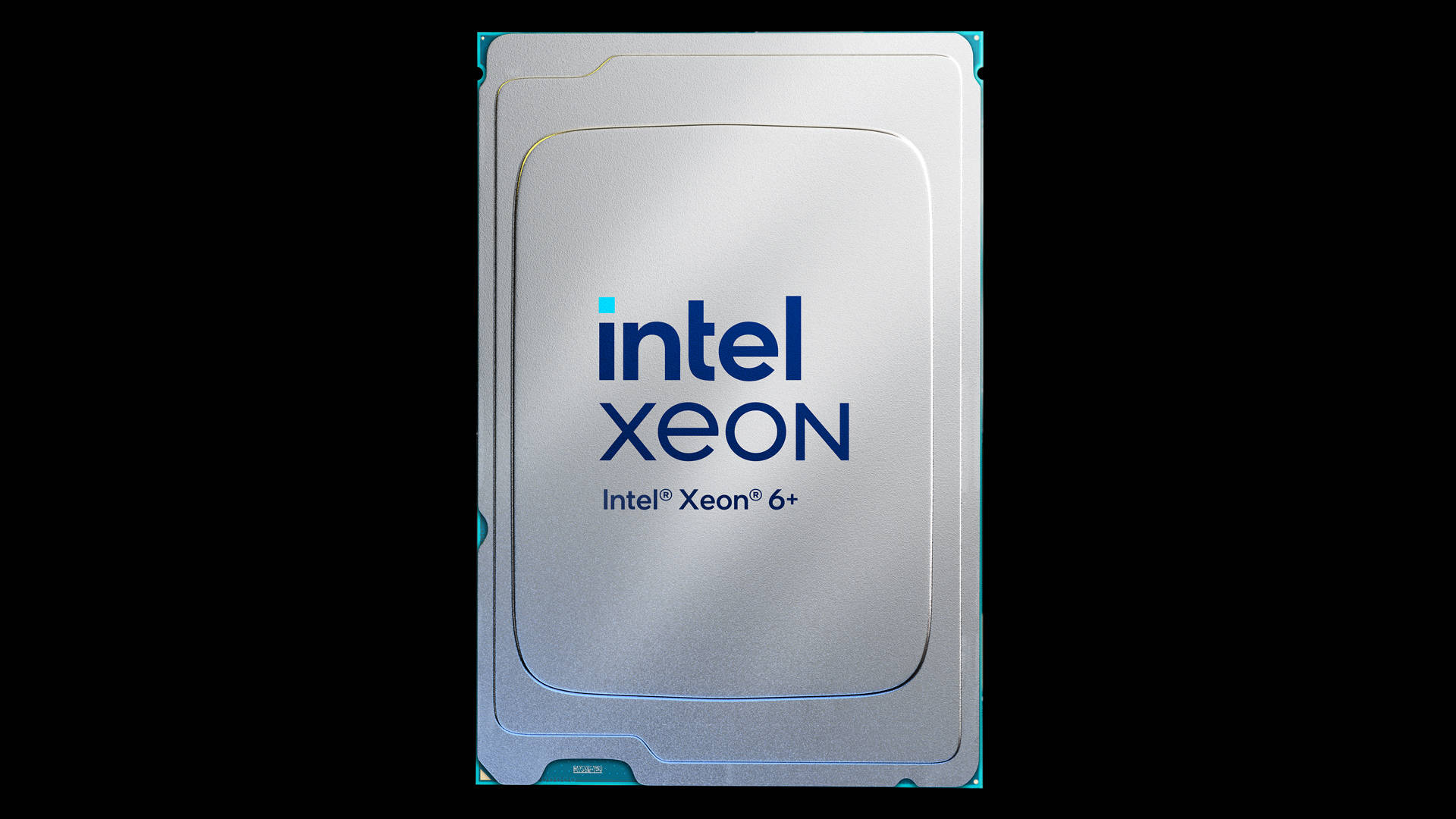 Intel 18A Xeon 6 22 Front (Image © Intel)
New to the platform is Application Energy Telemetry (AET), which provides real-time insight into CPU power consumption at the workload level. From an operational perspective, the processors enable a server consolidation ratio of up to 9:1 compared to second-generation Xeon chips. Security is ensured at the silicon level by Intel SGX and TDX. These processors are currently being integrated into server platforms by partners such as Dell, HPE, Lenovo and Supermicro.
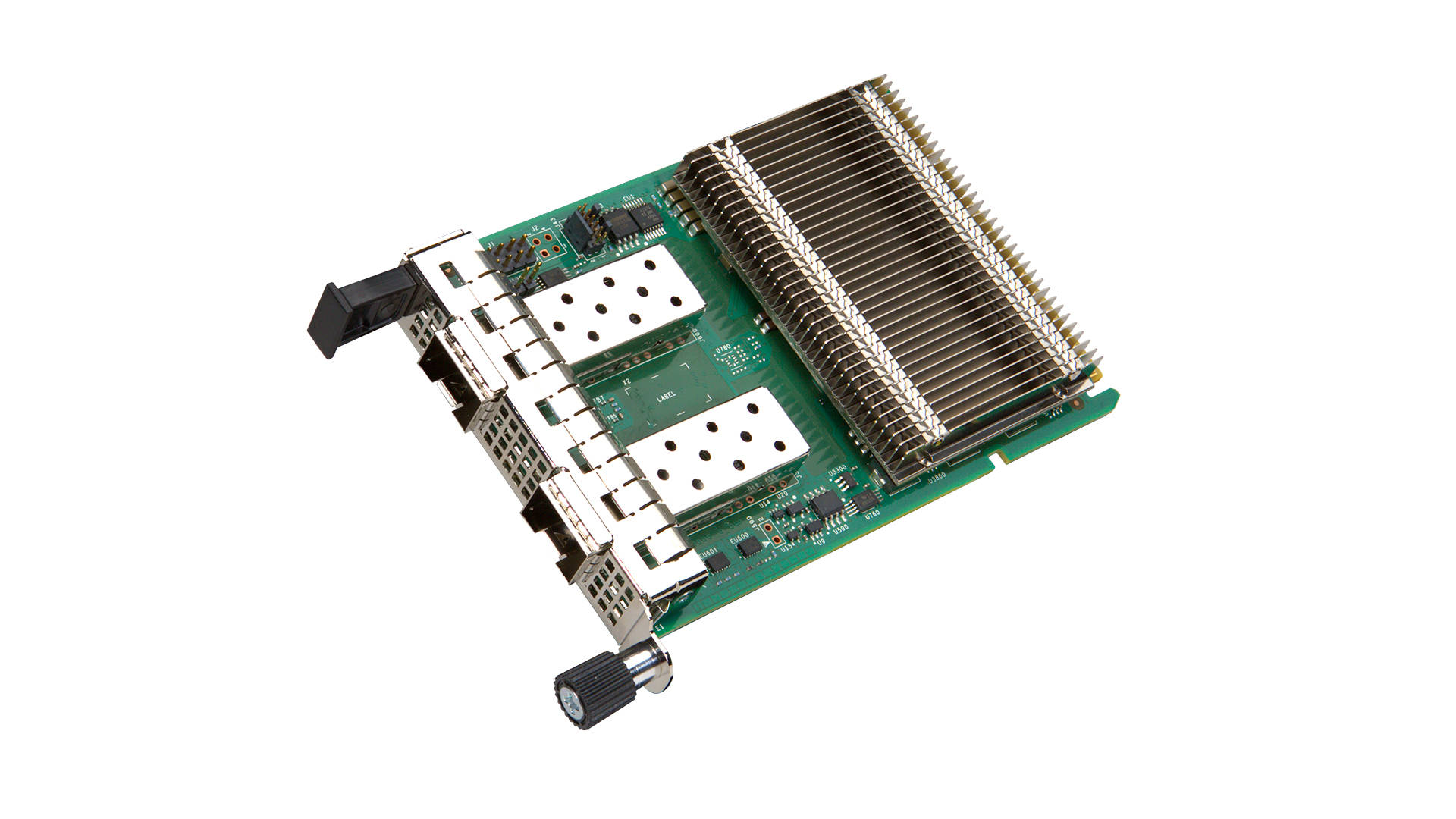 Intgel e835 xxvda2 for ocp 3 (Image © Intel)
Ethernet E835 network hardware
To reduce bottlenecks in AI and cloud infrastructure, Intel has introduced the Ethernet E835 controllers and network adapters. These components support a variety of configurations ranging from 10GbE to 200GbE, with specific port options such as 2x100GbE and 1x200GbE.
The E835 is designed for energy efficiency in virtualized environments. Intel states that the E835-CQDA2 adapter offers up to 1.9 times more performance per watt than the NVIDIA ConnectX-6 DX and 1.4 times more than the Broadcom BCM957508-P2100G. To maximize efficiency, the controllers implement RDMA via RoCEv2 and iWARP as well as Dynamic Device Personalization to optimize packet processing. The hardware is compatible with Windows, Linux and ESXi and is designed for a service life of ten years.
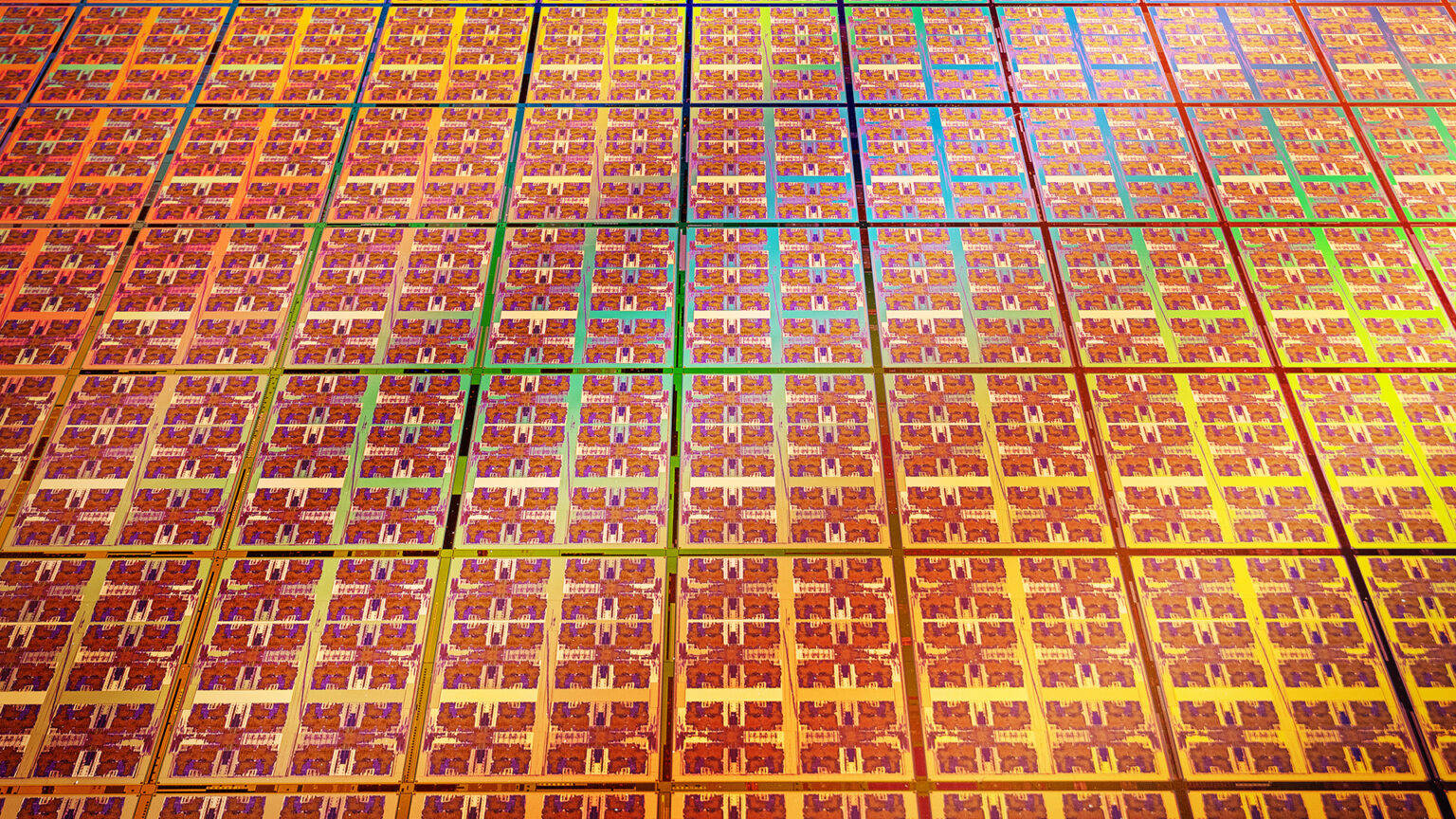 Intel 18A Wafer Perspective (Image © Intel)
Crescent Island GPU and AI inference
Intel's AI roadmap includes the Crescent Island data center GPU, which is based on the Xe 3P architecture. This accelerator is designed to handle large, token-intensive AI workloads by utilizing LPDDR5x memory with capacities of up to 480 GB.
The GPU utilizes a 350W air-cooled PCIe design to ensure a balance between performance and power consumption. It supports various data types and microscale formats ranging from FP4 and MXFP4 to FP64. Developers can use the Arc Pro Series as a development platform to optimize workloads before deploying them on Crescent Island hardware.
For small and medium-sized businesses, Intel has expanded the Xeon 6300 processor family. The company has launched a 12-core variant for entry-level servers, increasing the previous 8-core limit. This processor is designed as a drop-in compatible upgrade for existing server designs, allowing users to increase their computing capacity without having to replace the rest of their platform.