
 Computer Forum
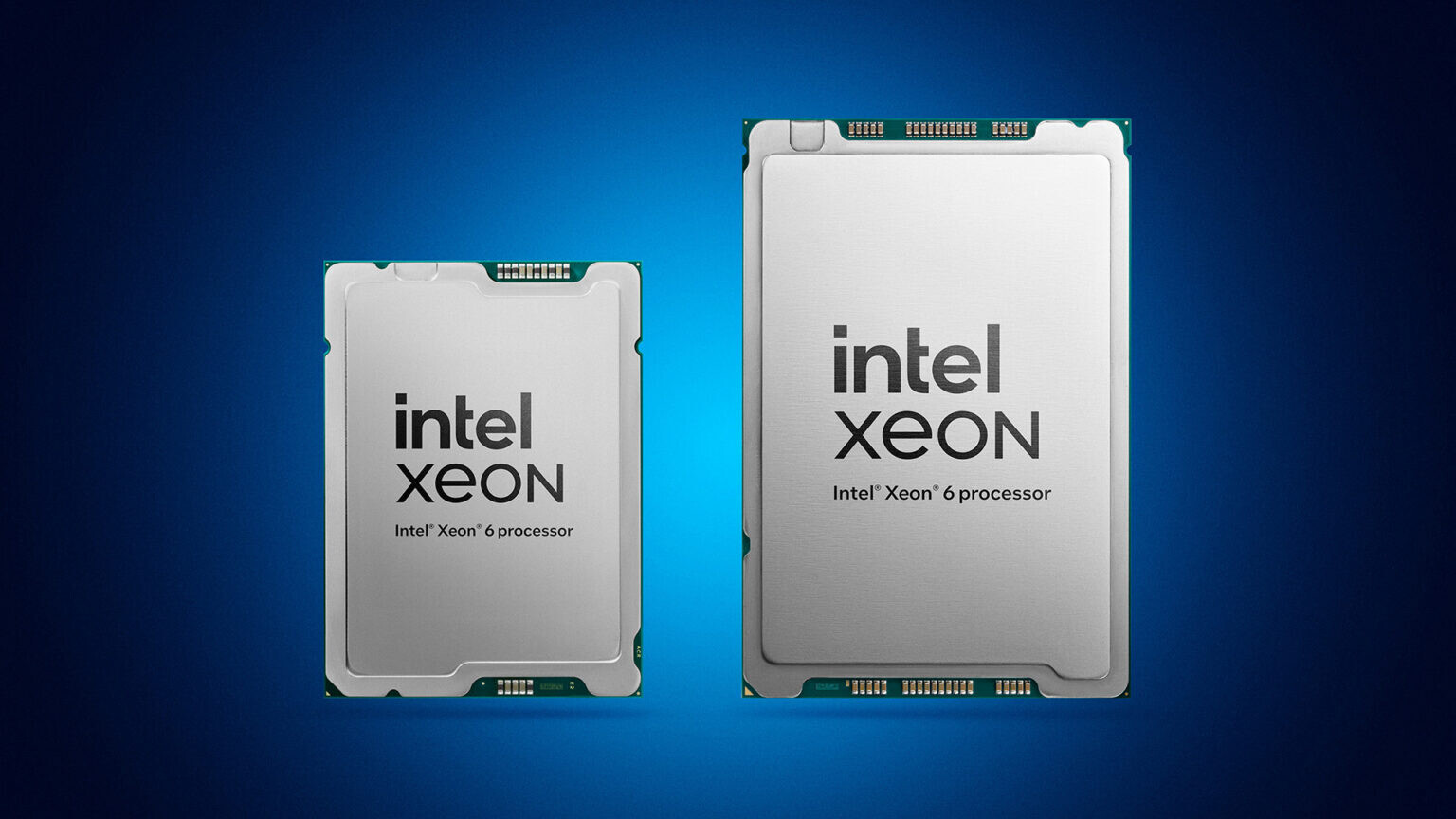 Intel Xeon 6 P Cores (Image © Intel)
Earlier reports from April suggested a two-phase rollout for Intel’s 16-channel server platform. The original plan called for the launch of processors with up to 256 P-cores, followed by a separate variant with 512 E-cores one or two quarters later.
However, new information suggests that the 512-core configuration was scrapped as early as the definition phase. Plans for “Diamond Rapids” with high core density were reportedly scaled back in December 2025. As a result of this shift, Intel is now focusing its efforts exclusively on P-core versions for the Xeon 7 product line.
With a maximum of 256 cores, Intel’s upcoming processor matches the number of physical cores found in the top-of-the-line AMD EPYC 9006 Venice series. Specifically, the EPYC 9996 uses 256 Zen 6 cores to provide 512 threads, supported by 1 GB of L3 cache and a standard power consumption of 600 W. Other models in this series, such as the EPYC 9966, offer 192 cores and 384 threads. While AMD has already launched the 6th-generation EPYC 9006 series, Intel’s “Diamond Rapids” is not expected to hit the market until 2027. This means that when the Xeon 7 is launched, it will be in a position where it must compete against an established architecture.