
 Computer Forum
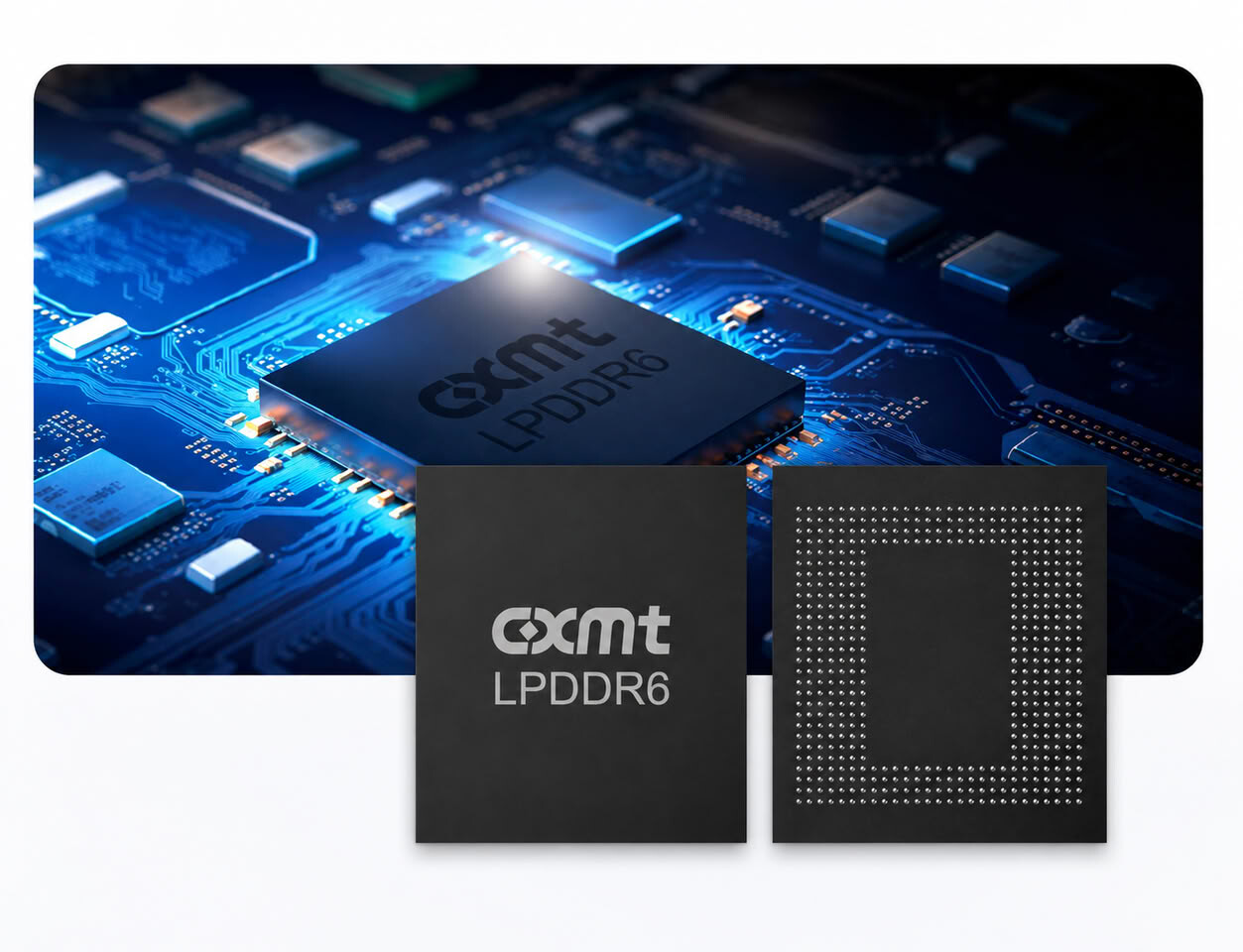 CXMT LPDDR6 (Image © Techpowerup)
This represents an improvement over the LPDDR5X standard, which reached a maximum of 10.7 Gbit/s under extreme overclocking conditions. The base operating speed for the new LPDDR6 standard starts at 10.7 Gbit/s. The hardware specifications for these modules include a capacity of 16 Gb, which is equivalent to 2 GB. The memory ICs are housed in a “package-on-package” (POP) package and use a ball grid array with approximately 1,295 pins.
Production Timeline and Validation
Currently, activities are limited to test runs as part of the risk production phase. This phase serves as a precursor to high-volume manufacturing (HVM), which typically follows after several weeks or months of testing. CXMT is currently distributing LPDDR6 samples to customers for validation purposes. Given the current state of the company’s design and manufacturing infrastructure, industry analysts expect the transition to full-scale mass production to take place within a few weeks.
By comparison, SK hynix has announced LPDDR6 modules based on the sixth-generation 10-nm node (1c), which offer a capacity of 16 Gb and speeds of up to 14.4 Gbit/s. While the South Korean manufacturer’s specifications indicate higher maximum speeds, both CXMT and SK hynix remain within the official guidelines set by JEDEC. As manufacturing capabilities and semiconductor technology continue to advance, further increases in memory speed are expected.