
 Computer Forum
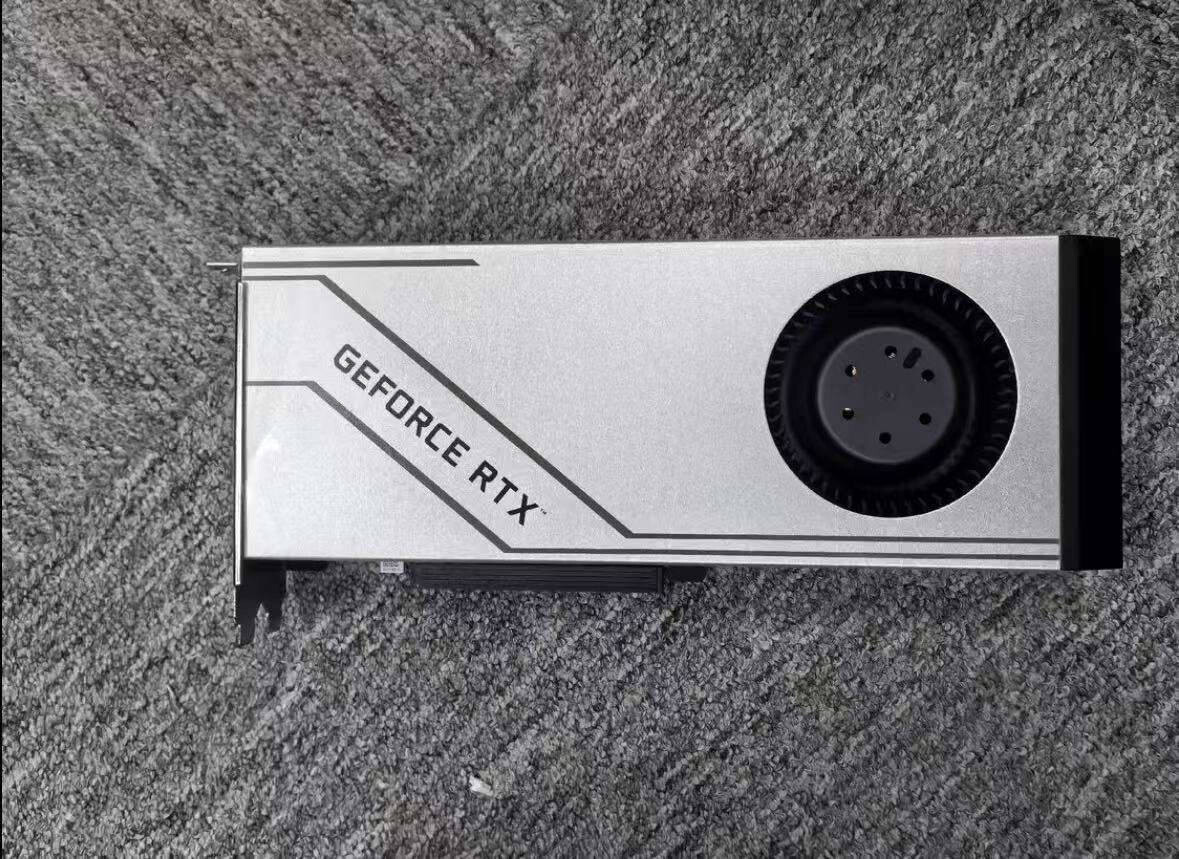 GeForce RTX 5090 mit 96 GB VRAM (Image © Alibaba)
This graphics card appears to be part of a broader trend among Chinese manufacturers to modify graphics cards for customers to meet the high memory demands of AI applications. Similar modifications have already appeared on the market, including versions of the GeForce RTX 4090 with 48 GB and the GeForce RTX 5080 with 32 GB of memory.
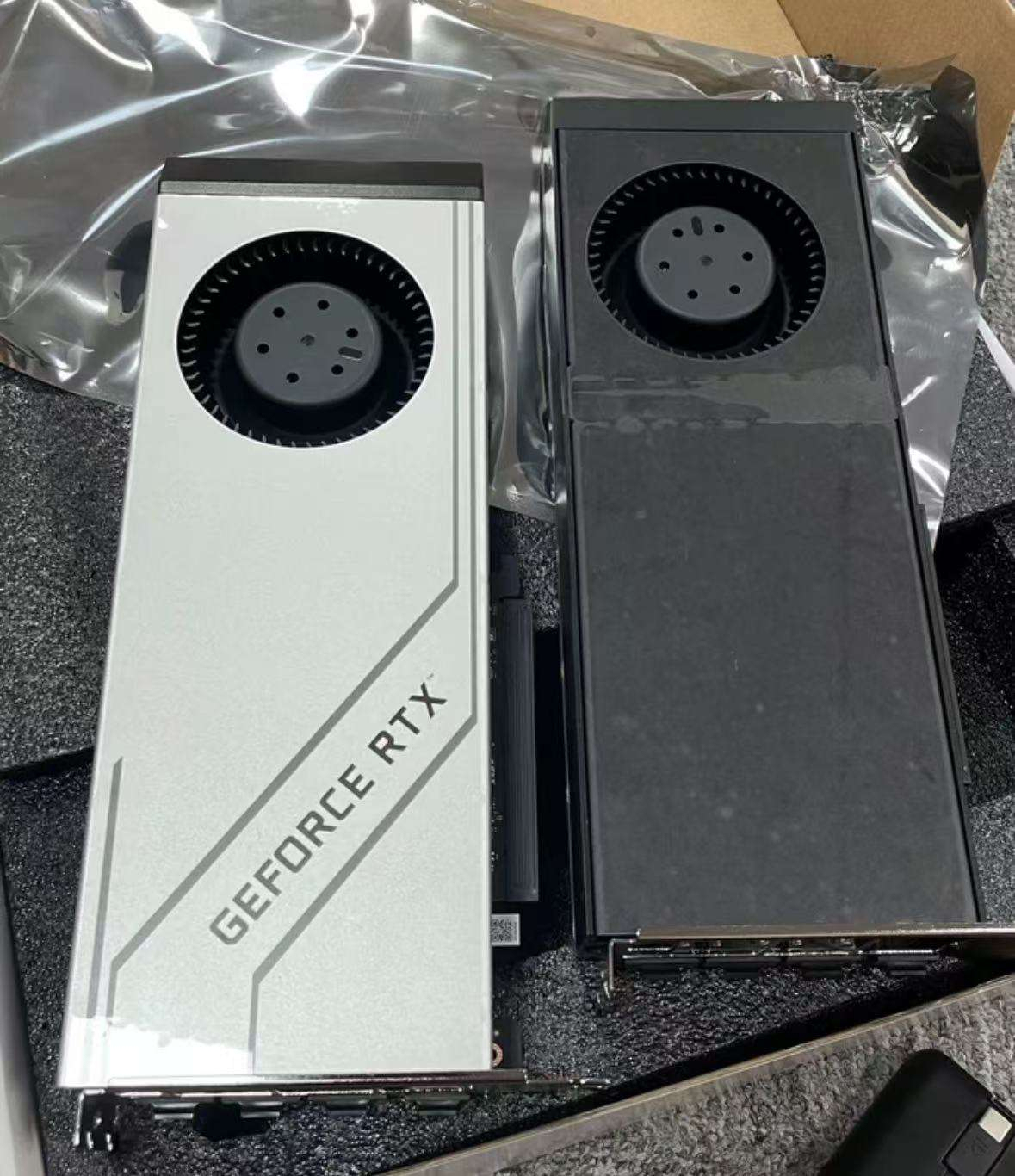 GeForce RTX 5090 mit 96 GB VRAM Front (Image © Alibaba)
Technically speaking, the [GeForce RTX 5090 (Review)][1] uses the GB202 chip, which also forms the basis for the professional RTX Pro 6000 Blackwell. This shared architecture makes a 96-GB configuration theoretically possible. The modification likely involves a custom-designed clamshell-style circuit board, allowing memory chips to be installed on both sides of the board—as has already been seen with other cards—and equipped with updated firmware to manage the increased capacity.
However, several technical inconsistencies in the listing still raise doubts about the graphics card’s authenticity. The seller refers to the memory as GDDR6X, but the memory chips currently available for this standard are manufactured with a capacity of 2 GB. In a clamshell configuration, this would limit the maximum possible memory capacity to 48 GB. Furthermore, the specified memory speed of 14 Gbit/s corresponds more closely to the older GDDR6 standard than to the GDDR7 memory found in the RTX 5090 and RTX Pro 6000.
As for the price, this modified card shows a significant discrepancy compared to the official models. The professional RTX Pro 6000 Blackwell with 96 GB of memory typically costs between €14,000 and €16,000. The [GeForce RTX 5090, on the other hand, currently costs over €5,200][2], as we recently reported. [1]: https://www.pcmasters.de/testbericht/133714041-geforce-rtx-5090-im-test--review-der-msi-gaming-trio-oc-grafikkarte.html [2]: https://www.pcmasters.de/news/133716566-geforce-rtx-5090-preise-gehen-durch-die-decke-und-ueberschreiten-5-000-eur-marke.html