 Computer Forum
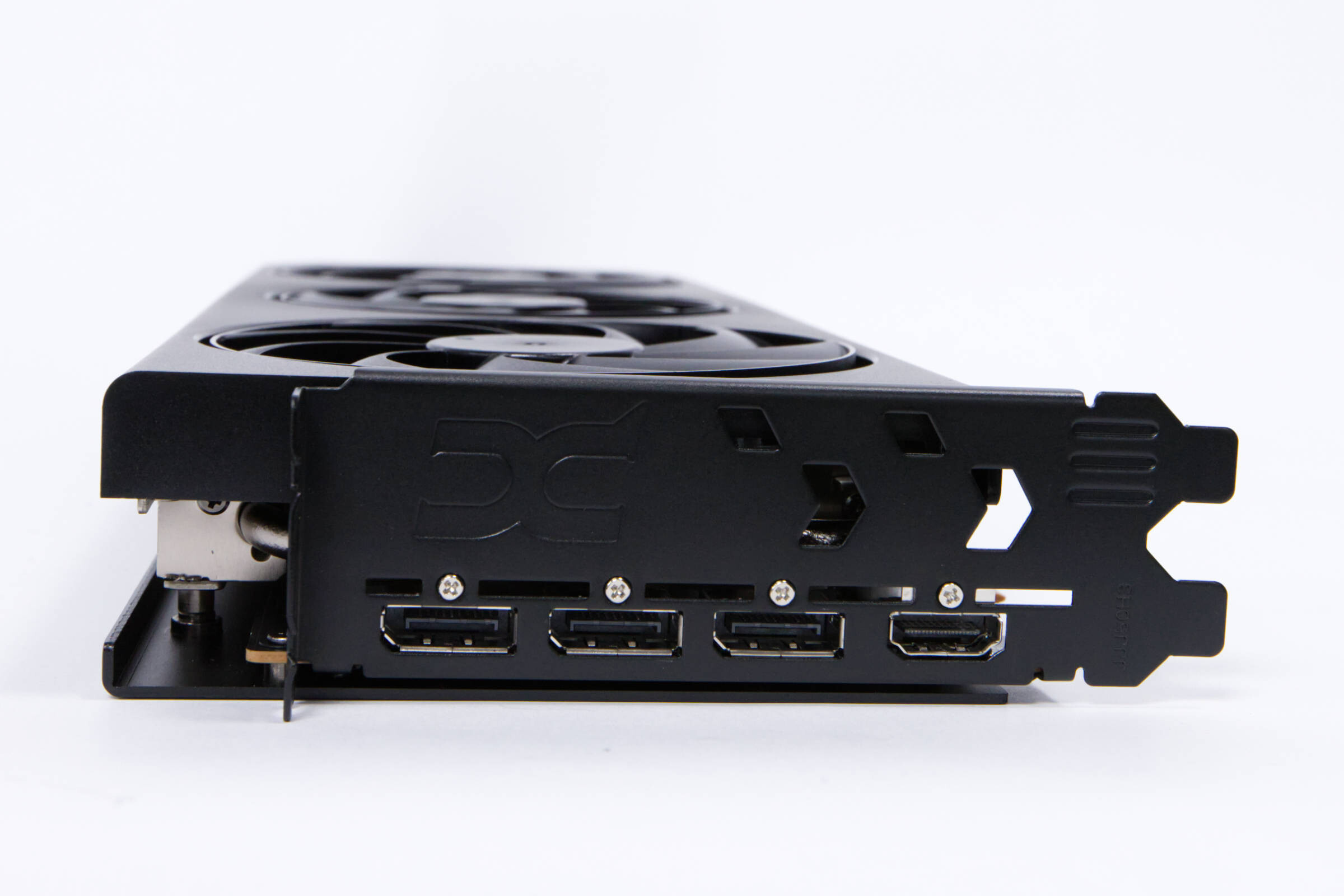 PowerColor Radeon RX 9070 Hellhound Anschlüsse (Image © PCMasters.de)
The latest patch set includes a comprehensive revision of the AMDGPU Display Manager code. The main goal of this cleanup is to increase modularity and optimize the HDMI pipeline. By reorganizing the code, developers can more efficiently control how the driver handles screen output and integrate new updates without compromising existing stability.
Integration with Teledyne M41h for compliance
A key part of this update is preparing for the automation of HDMI compliance testing, particularly with regard to Fixed Rate Link (FRL) connection rate testing. The driver will be adapted to work with the Teledyne M41h, a professional HDMI video generator and protocol analyzer.
The Teledyne M41h enables vendors to perform self-tests to ensure that the hardware complies with HDMI specifications. This includes validating critical technical functions such as Display Stream Compression (DSC), Link Training, Variable Refresh Rate (VRR) and High Dynamic Range (HDR10+ SSTM) as well as High-bandwidth Digital Content Protection (HDCP) and Forward Error Correction. This hardware, which costs around 2399 USD, is essential to verify that the open source driver ensures signal integrity and protocol compliance.
Test framework and deployment schedule
To mitigate the risk of software regressions, the patch series extends the use of KUnit. By increasing test coverage within the display code, AMD aims to detect bugs and performance degradation during the development phase, rather than after the code has been merged.
Due to the current stage of development and timing of the submission, these changes are not expected to make it into the main Linux kernel immediately. The updates are planned for the Linux v7.3 release cycle, which is expected later this year.