
 Computer Forum
 Steam Linux Client bekommen 64 Bit Beta Version (Image © Valve)
Transition to 64-Bit Architecture and RT3 Integration
The launch of the 64-bit beta is a continuation of a technical roadmap established in early 2026. The process began with the announcement and release of the RT3 client, which served as the foundation for the current architecture change. The primary goal of the transition to a 64-bit environment is to ensure a more uniform and consistent user experience across various Linux distributions. By eliminating the limitations associated with 32-bit software, the client can better utilize modern hardware features and reduce reliance on outdated libraries across different distribution environments.
Game Achievement Management
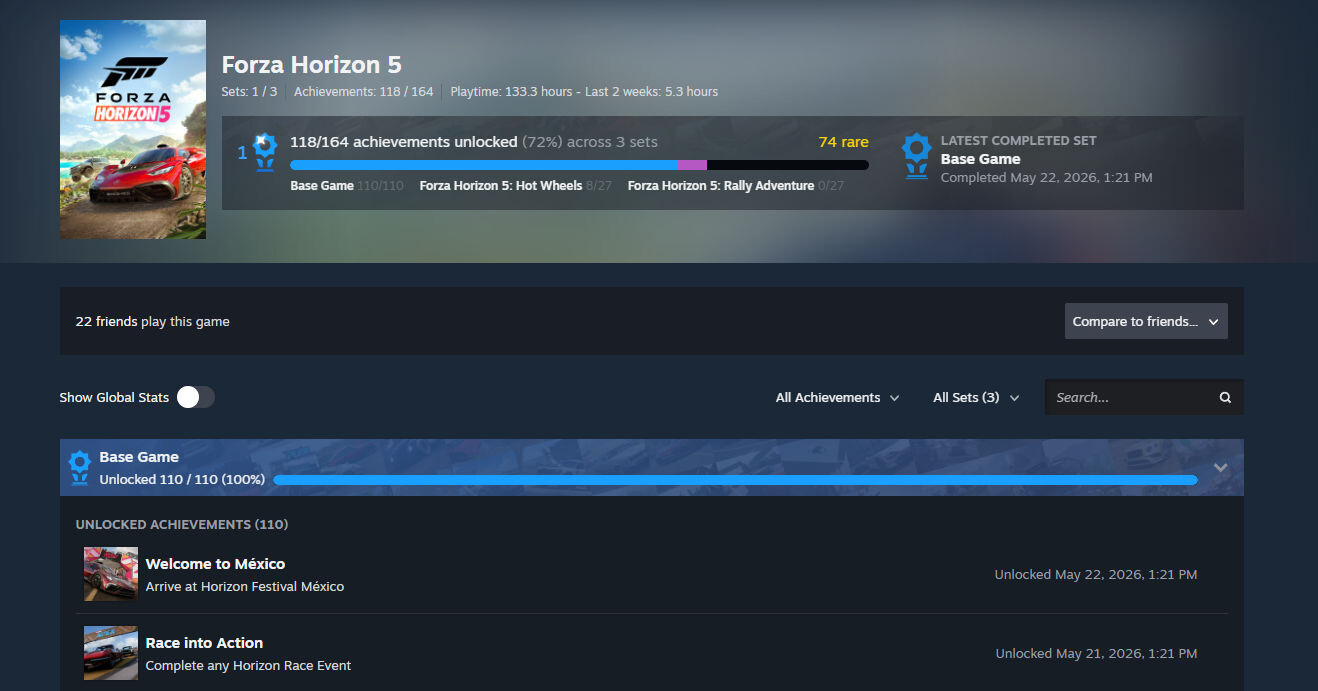
In parallel with the architecture update, Valve has introduced “achievement sets.” This feature allows developers to organize achievements into specific categories. This organizational structure enables a clear distinction between achievements earned in the base game and those associated with downloadable content (DLC) or other expansions. To complement this backend change, a redesigned Achievements page has been implemented. This interface is designed to simplify the process of tracking progress and monitoring milestones achieved in a user’s library. After the “Achievement Sets” feature was initially tested in the beta phase, it was officially migrated to the Stable channel as part of a client update on November 11.
Performance Optimization and System Stability
In addition to the feature updates, the Steam client underwent comprehensive performance optimization. Recent updates to the main client specifically targeted cold start times, resulting in a measurable increase in the application’s startup speed. This optimization follows the release of a new beta version of the Epic Games Launcher and signals a competitive drive toward faster application initialization.
The November 11 update, which moved the achievements system to the stable branch, also included a number of technical refinements. These changes focused on improving overall responsiveness, reducing system overhead, and enhancing the client’s overall stability during operation.