
 Computer Forum
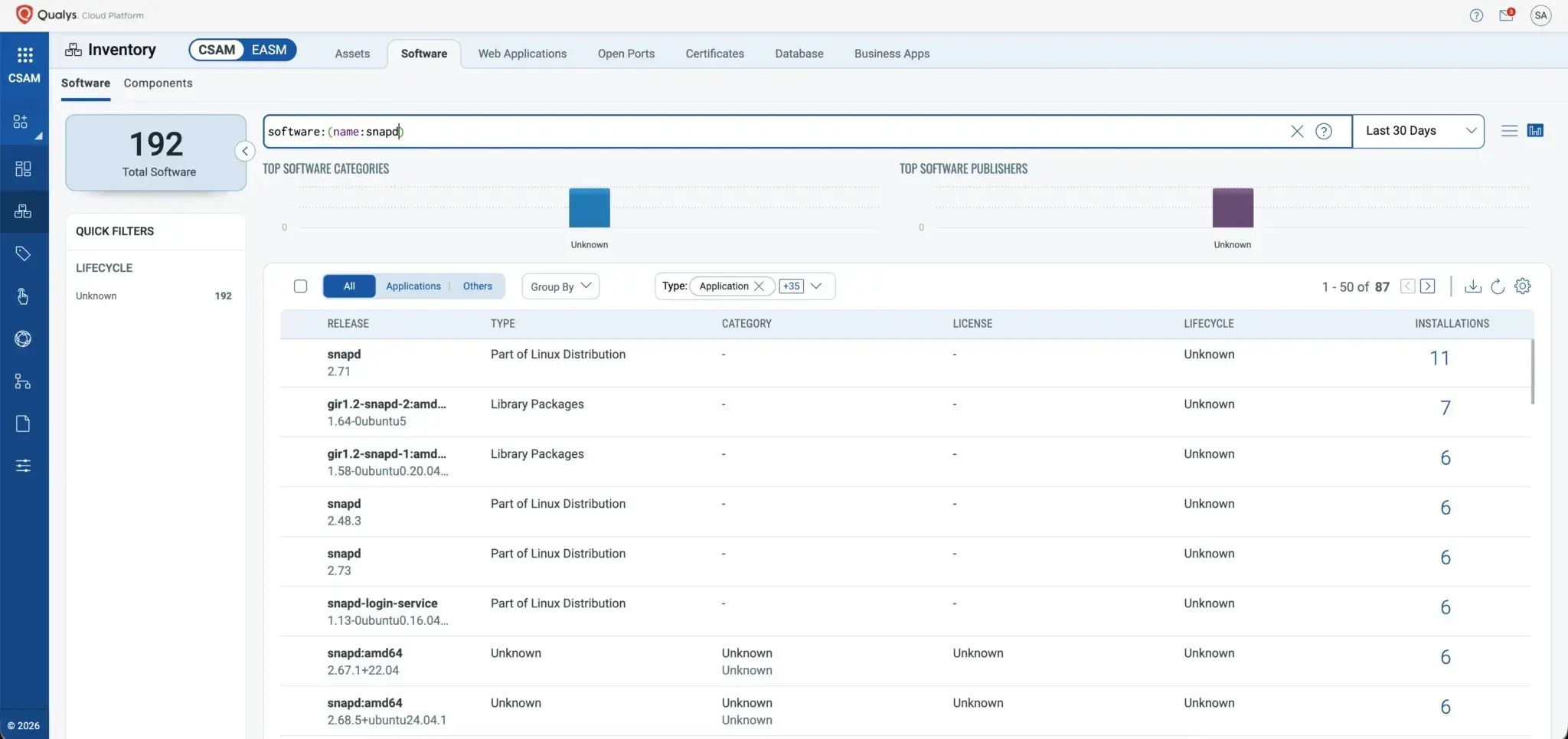 snap confine CVE 2026 8933 CSAM (Image © Qualys)
Root Cause of the Security Vulnerability
The problem stems from a recent architectural change made by Canonical that was intended to make the system more secure. The “snap-confine” component, which is responsible for creating the execution environment for Snap packages, was switched from a “set-uid-root” binary to a “set-capabilities” model.
While this change was intended to enforce the principle of least privilege, it inadvertently led to two race conditions during the sandbox initialization process. In the new model, “snap-confine” operates using the effective user ID of the calling user but retains near-root privileges. During setup, temporary files and directories are created in /tmp; these initially belong to the unprivileged user before ownership is transferred to root, creating a narrow window of opportunity for exploitation.
Technical Exploitation Mechanism
The attack exploits two concurrent race conditions to achieve privilege escalation:
-
- Namespace bypass: An attacker can mount a FUSE filesystem on the temporary working directory immediately after it is created. This bypasses the mount namespace isolation that “snap-confine” applies later, leaving the directory accessible from outside the sandbox.
-
- Arbitrary writing to files: The attacker uses a symlink that points to a target file. When “snap-confine” attempts to create a sandbox file, it follows the symlink and writes to the target file. A second race condition allows the attacker to set the file permissions to 0666 before the system transfers ownership to “root.”
To bypass the AppArmor restriction, the exploit targets the path /run/udev/, which allows read and write access. By placing a malicious rule file in /run/udev/rules.d/ and triggering a FUSE mount or unmount cycle, the attacker can force systemd-udevd to execute arbitrary commands with root privileges.
Affected Systems and Workaround
The vulnerability exists in Ubuntu versions that use the “set-capabilities” variant of “snap-confine” by default. Affected versions include:
- Ubuntu Desktop 24.04 (on systems that have been updated to the latest snapd packages)
- Ubuntu Desktop 25.10
- Ubuntu Desktop 26.04
Other Linux distributions, such as Debian, may also be at risk if they use vulnerable versions of the snapd package. To mitigate this risk, users and organizations are advised to update the snapd package to the latest version immediately. The Ubuntu security team has released patches to fix these race conditions and prevent unauthorized privilege escalation.