
 Computer Forum
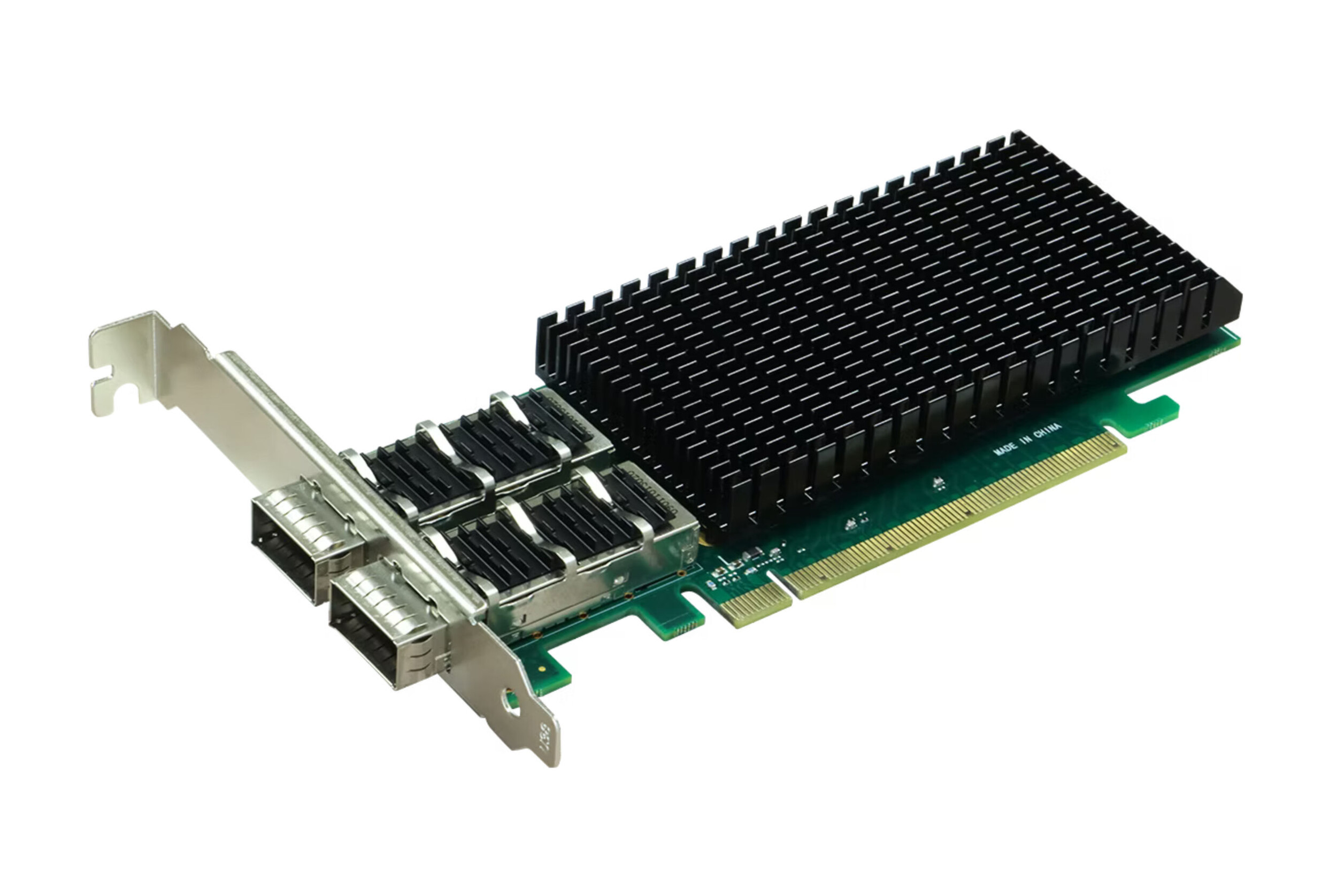 HighPoint Rocket 9512A (Image © HighPoint)
The Rocket 9500A Series is based on the Intel E810 Ethernet architecture. Thanks to their standards-based design, these network cards are ideally suited for use in open, vendor-neutral IT environments. This allows system integrators to increase network throughput regardless of their existing storage hardware. The cards offer high driver stability and support advanced low-level offloads. They also support iWARP, Remote Direct Memory Access (RDMA), and RoCEv2, which reduce CPU overhead and lower latency in high-traffic network environments.
Specifications and Prices
The series consists of a total of three models, each tailored for different scenarios:
Rocket 9512A (Dual-Port 100-GbE QSFP28)
The Rocket 9512A costs $379 and features two 100-GbE ports. The card is designed for use as a high-throughput uplink for NVMe-over-Fabrics (NVMe-oF), cloud data center networks, and storage backbones.
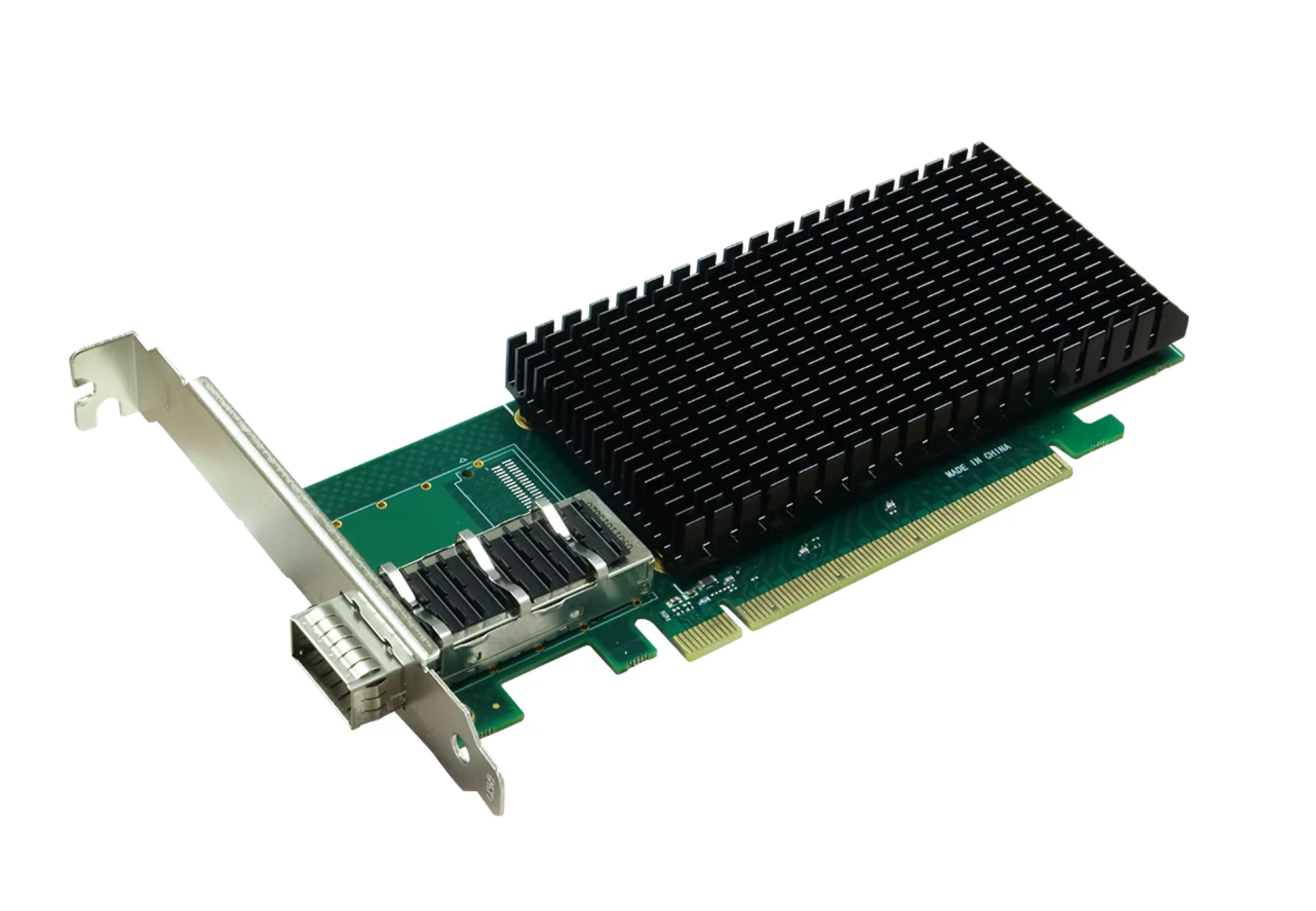 HighPoint Rocket 9511A (Image © HighPoint)
Rocket 9511A (Single-Port 100-GbE QSFP28)
The Rocket 9511A is a single-port 100-GbE card priced at $349. It is intended for specialized data acquisition, secure servers requiring a single uplink, and high-density edge nodes.
Rocket 9504A (Four-Port 25-GbE SFP28)
There is also the Rocket 9504A NIC, which is priced at $399 and offers a total of four 25-GbE ports. It is designed for virtualization and clustering and enables hardware-level VLAN segmentation in environments such as VMware ESXi, Hyper-V, and Proxmox.
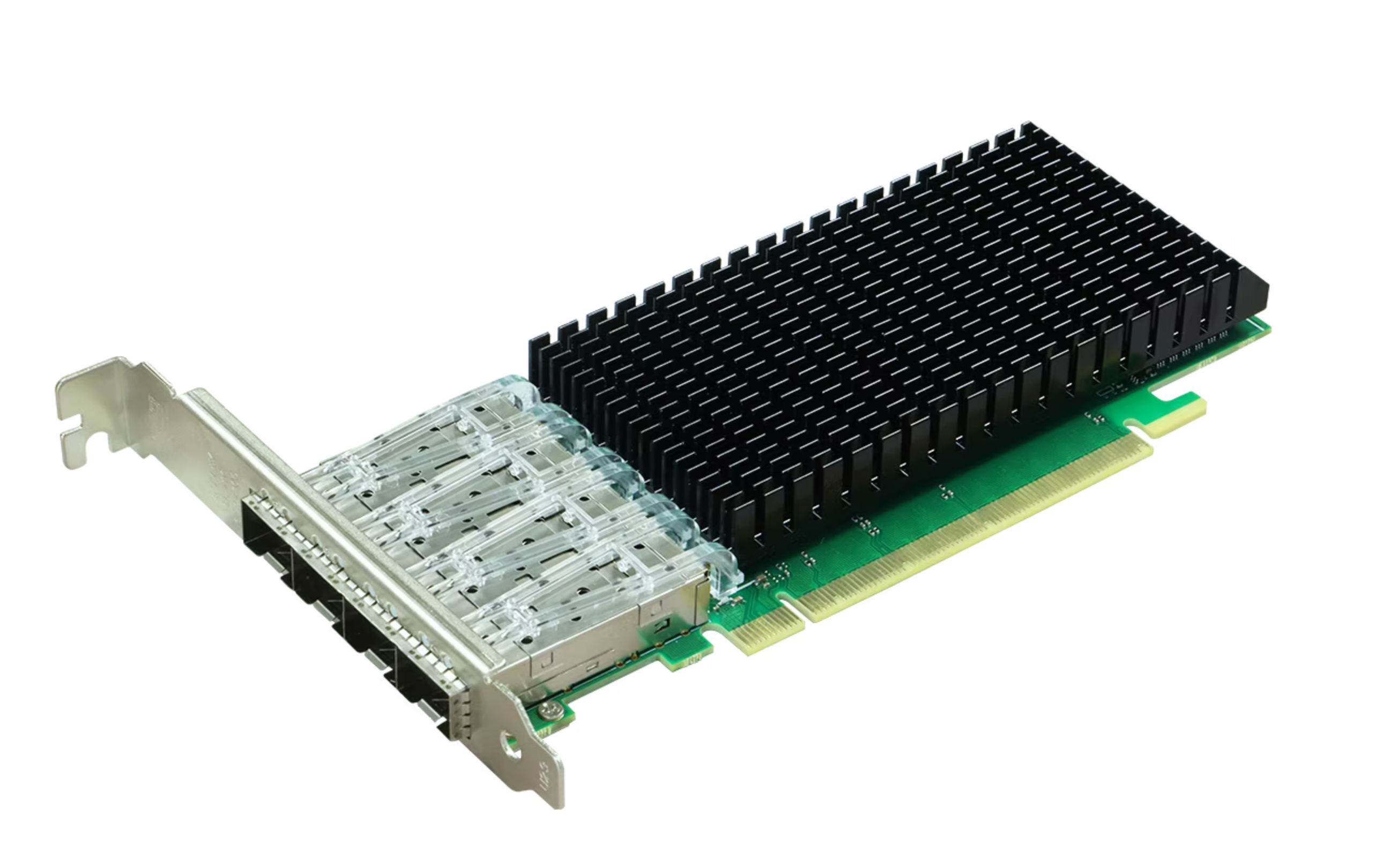 HighPoint Rocket 9504A (Image © HighPoint)
Workload Optimization
The Rocket 9500A series was developed to support various business-critical enterprise workloads:
- Software-Defined Storage (SDS) and HPC: The cards are optimized for low-latency, lossless throughput required by clustered storage fabrics and systems such as ZFS, Ceph, and Microsoft Storage Spaces Direct (S2D).
- Hypervisors and Virtualization: The hardware enables the physical separation of management traffic, virtual machine (VM) data, SAN pipelines for storage, and live migration traffic.
- Edge computing and data acquisition: The network cards support line-rate data acquisition for industrial automation and multi-stream sensor acquisition nodes.
- General enterprise IT: The series offers predictable transaction speeds and low jitter for enterprise application environments and core databases.
The new cards are also expected to be released in Europe soon, though it usually takes some time for them to reach the local market. They will also be sold through Amazon.