
 Computer Forum
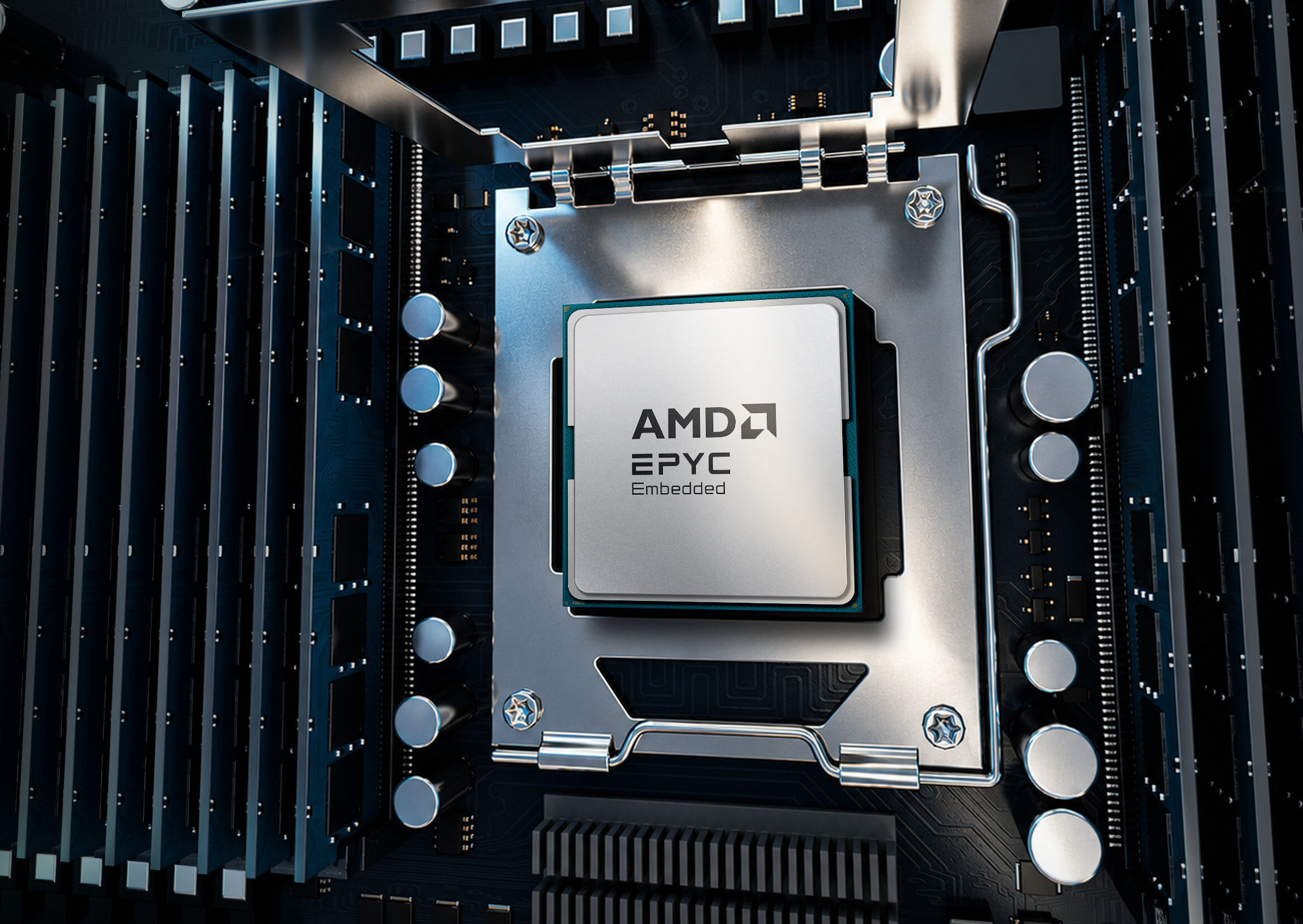 AMD EPYC Embedded 9006 CPUs für Sockel SP7 (Image © AMD)
The EPYC Embedded 9006 series offers models configured with up to 256 cores and 512 threads. This Zen 6 architecture delivers up to 1.8 times the throughput compared to the previous EPYC 9005 series. The processors are designed for data-intensive tasks and offer a significant increase in bandwidth; in particular, I/O bandwidth has improved by up to 1.5 times, while memory bandwidth has increased by up to 2.7 times compared to the previous generation.
Connectivity and Memory Specifications
To eliminate bottlenecks in high-speed data environments, the 9006 series features the latest connectivity standards:
- PCIe Gen 6: The CPUs support up to 96 PCIe Gen 6 lanes with a data transfer rate of 64 GT/s.
- CXL 3.1: The integration of CXL 3.1 enables high-speed connectivity with compatible memory extensions and accelerators.
- Memory Channels: The platform features 16 DDR5 memory channels.
- Memory Speeds: It supports RDIMM speeds of up to 8,000 MT/s and MRDIMM technology with speeds of up to 12,800 MT/s.
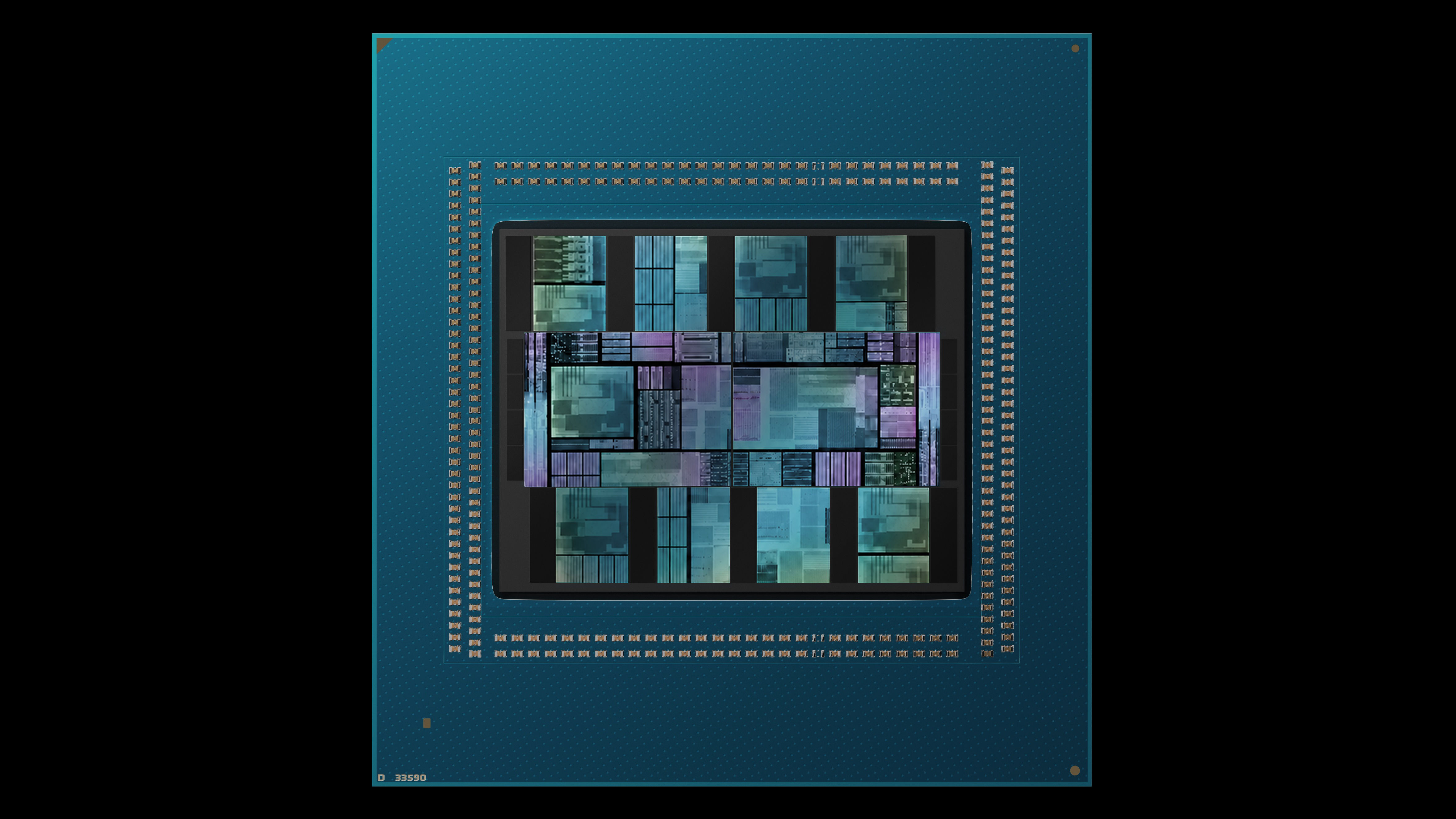 AMD EPYC 9006 Series SP7 CPUs Die Shot (Image © AMD)
The technical specifications of the EPYC Embedded 9006 series are optimized for three primary embedded sectors:
Automated Test Equipment (ATE) for Semiconductors
The processors serve as orchestration engines for the validation of I/O devices and memory at production scale. The high core count enables the parallel execution of more tests, while support for PCIe Gen 6 and CXL 3.1 ensures compatibility with new high-speed hardware.
Enterprise Networks and Firewalls In network security devices that manage 400G and 800G traffic, these CPUs function as control-plane engines. They manage complex security policies and network sessions and deliver up to a 1.3-fold increase in firewall throughput compared to the previous generation.
Enterprise Storage Systems
The series optimizes NVMe (Non-Volatile Memory Express) connectivity and data transfer. In benchmarks measuring the Intelligent Storage Acceleration Library (ISA-L), these processors deliver up to a 1.5-fold performance increase and accelerate functions such as RAID systems, caching, and compression.
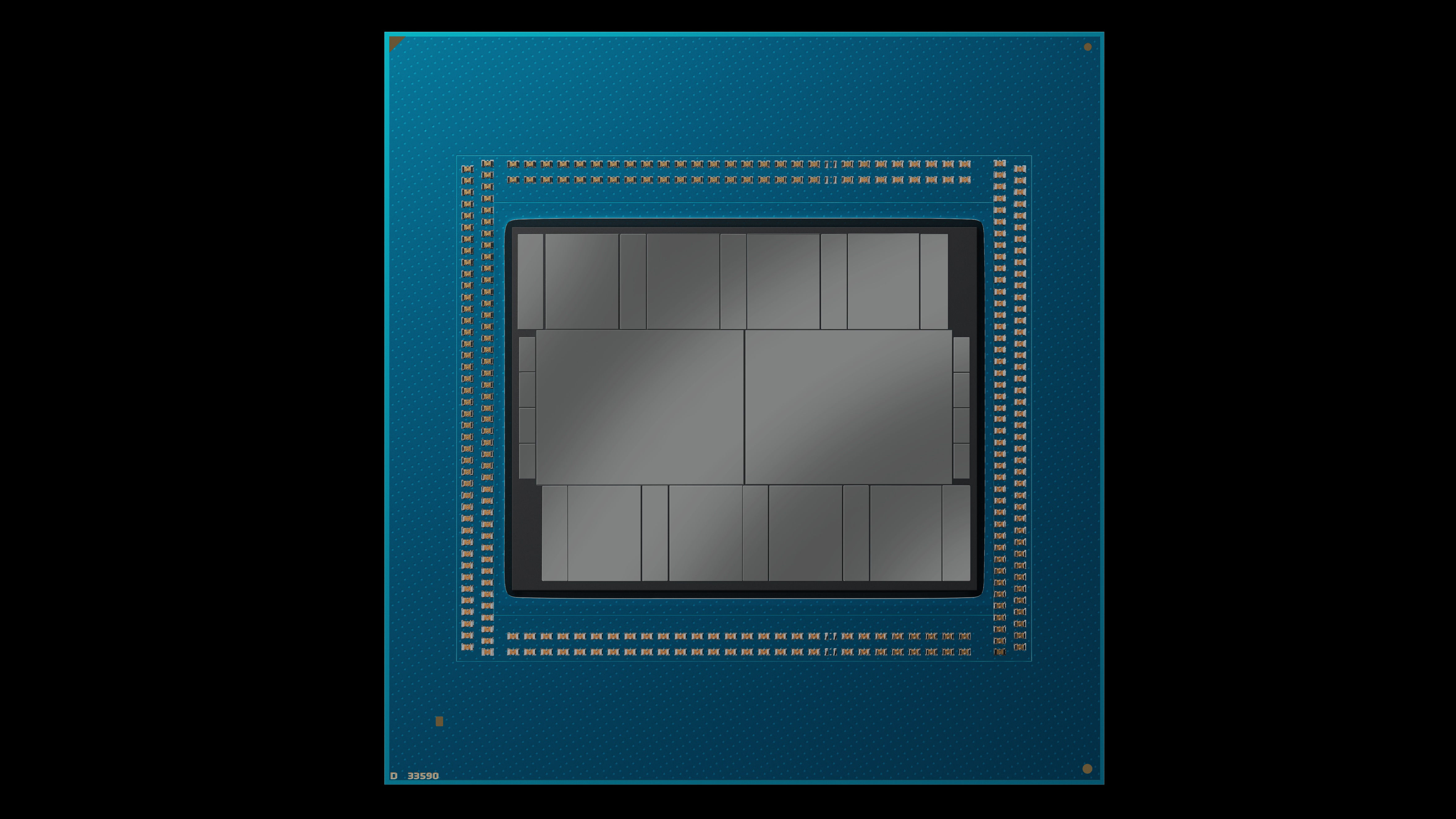 AMD EPYC Embedded 9006 Package (Image © AMD)
Security Framework and Lifecycle
AMD has implemented a multi-layered security architecture to protect business-critical embedded systems:
- AMD Root of Trust (ART): Establishes an immutable “Silicon Root of Trust” and enables secure system boot. This system incorporates post-quantum cryptography for firmware signing to protect against future quantum-based threats.
- AMD Security Processor (ASP): Acts as a boot orchestrator and manages a trusted execution environment. It also manages encryption keys for virtual machine storage in virtualized environments.
- Caliptra: A vendor-neutral, open-source “Silicon Root of Trust” that provides device identity and authentication and enables remote verification of BIOS and firmware integrity.
Furthermore, AMD offers a seven-year product lifecycle guarantee for the 9006 series, ensuring a stable supply chain and ongoing firmware updates for long-term industrial installations.
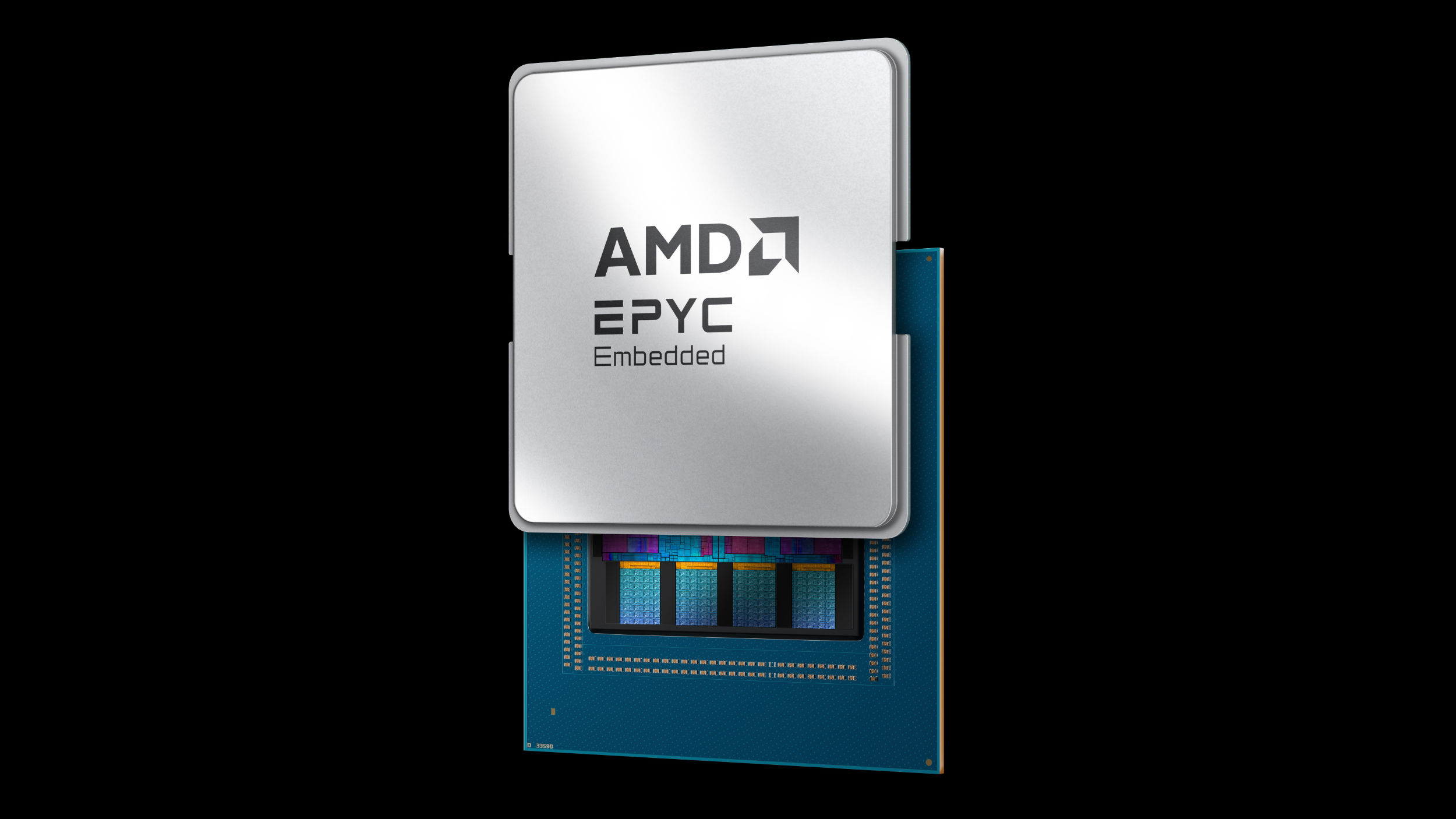 AMD EPYC Embedded 9006 (Image © AMD)
Availability and Models
The EPYC Embedded 9006 series is available in various configurations ranging from 64 to 256 cores, allowing users to balance power consumption, clock speed, and cache requirements. The 128-core model is scheduled to launch on November 15, while all other configurations are expected to ship by the end of the year.