
 Computer Forum
 Linux Kernel Updates (Image © DALL-E)
Older Hardware and Cgroup Scheduling
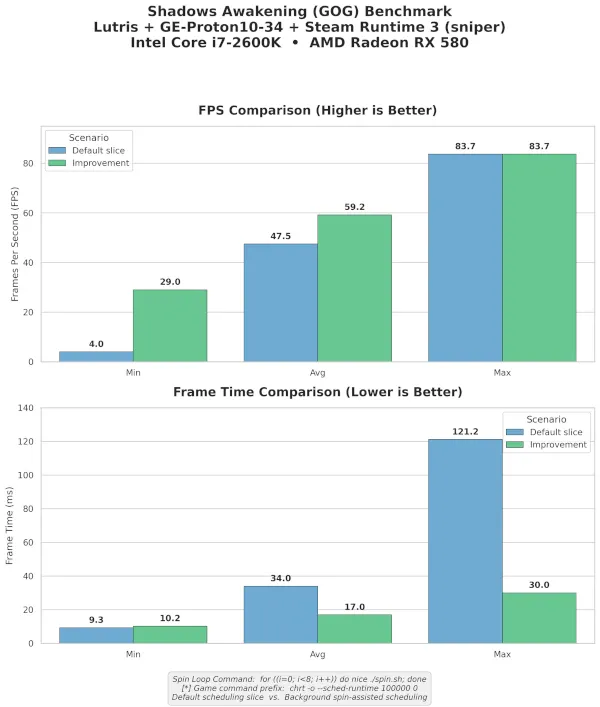
One of the most important new features is a series of patches designed to improve game performance on older hardware. Tested on systems with Intel Sandy Bridge CPUs and AMD Radeon RX 580 graphics cards, this update focuses on refining the cgroup scheduling features to resolve previous issues with task handling, particularly those related to tasks whose priority (nice value) has been changed.
The update introduces several weight distribution methods for cgroups via the “cgroup_mode” setting:
- concur: The default mode, which offers high precision but requires more resources.
- up
- max
- tasks
In addition, these measures transition cgroup scheduling management to a single runqueue to optimize process management.
 Linux 7 3 Kernel Scheduler Updates (Image © Phoronix)
Reducing Scheduling Latency
Linux 7.3 also introduces optimizations to reduce scheduling latency for “short-slice” tasks. These changes aim to improve the speed at which the system processes short, frequent operations. Initial tests using “cyclictest” have shown measurable improvements in latency, indicating a more responsive environment for time-critical workloads.
Support for Hybrid CPUs and Load Balancing
The merged code includes important fixes for cluster scheduling on CPUs with asymmetric capacity, such as Intel hybrid architectures. These updates ensure that load balancing across different core types (performance and efficiency cores) is handled more effectively, thereby reducing inefficiencies in task distribution.
To further optimize system efficiency, Linux 7.3 now prioritizes fully idle cores for NOHZ balancing. This change is intended to improve how the kernel manages performance and power consumption during load balancing and ensure that tasks are distributed more logically across available processor resources.