
 Computer Forum
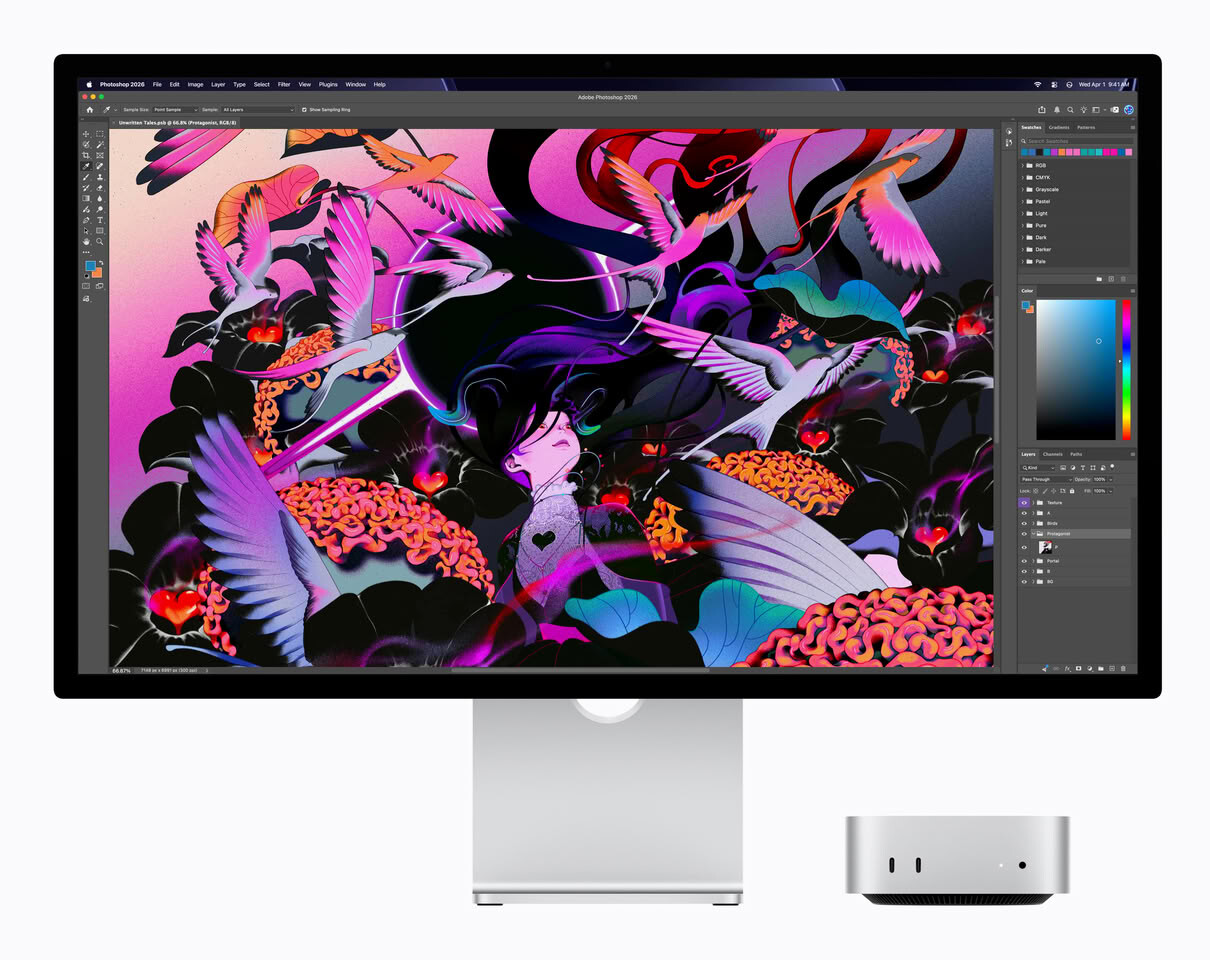 Apple Mac mini 2026 (Image © Apple)
Mac Mini: Introduction of the 2-nm M6 Processor
The Mac Mini is now available with either the new M6 or M5 Pro chip. The M6 is the first Mac processor manufactured using a 2-nm process. It features a 12-core CPU consisting of two super cores, four performance cores, and six efficiency cores, as well as a 12-core GPU.
According to technical specifications, the M6 offers up to 40% more CPU performance than the M4. The GPU features integrated neural accelerators in each core to speed up AI matrix calculations, which Apple claims are up to four times faster than on the M4 model.
The M6 configuration supports up to 32 GB of unified memory with a bandwidth of 170 GB/s. The base model continues to offer 16 GB of RAM and a 256-GB SSD, with the storage drive reportedly being twice as fast as that of the previous generation.
Mac Mini Pro and New Connectivity Features
A higher-end Mac Mini model is also available, which uses the M5 Pro processor instead of an M6 variant. This model supports up to 18 CPU cores, 20 GPU cores, and 64 GB of unified memory with a bandwidth of 307 GB/s.
 APple M6 M5 Ultra (Image © Apple)
Both Mac Mini versions offer Wi-Fi 7 and Bluetooth 6, as well as standard 2.5 Gbps Ethernet (with an optional 10 Gbps upgrade). The port configurations differ depending on the chip:
- M6 model: Three Thunderbolt 4 ports on the back.
- M5 Pro model: Three Thunderbolt 5 ports on the back.
Both devices also feature HDMI, two USB-C ports, and a headphone jack on the front.
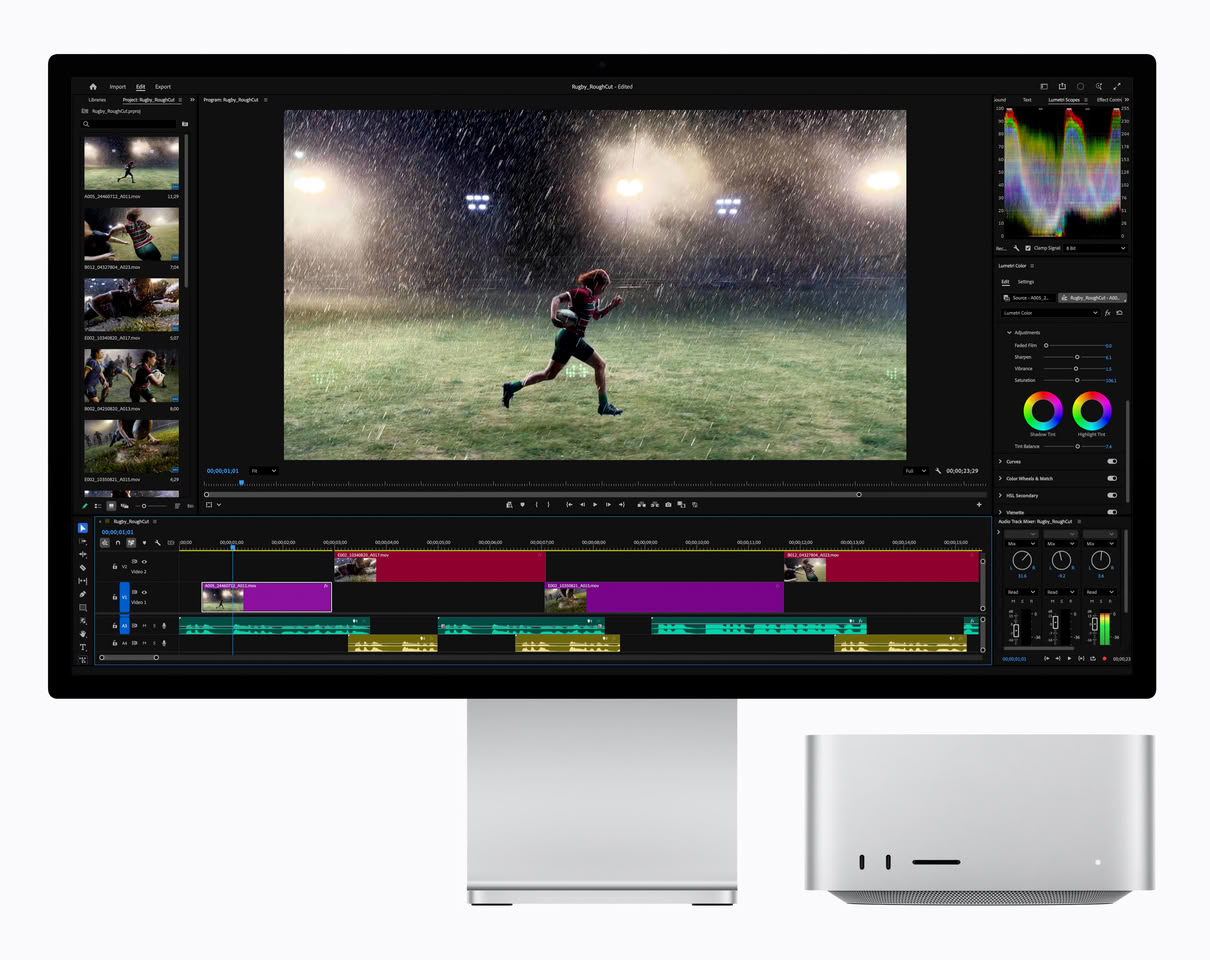 Apple Mac Studio 2026 (Image © Apple)
Mac Studio Gets a Massive Upgrade
The updated Mac Studio is powered by the M5 Max and M5 Ultra chips and is designed for professional media production and on-device AI inference. The entry-level Mac Studio model uses the M5 Max with 18 CPU cores, up to 40 GPU cores, and up to 128 GB of unified memory with a bandwidth of 614 GB/s. This configuration offers 50% higher GPU performance compared to the M4 Max.
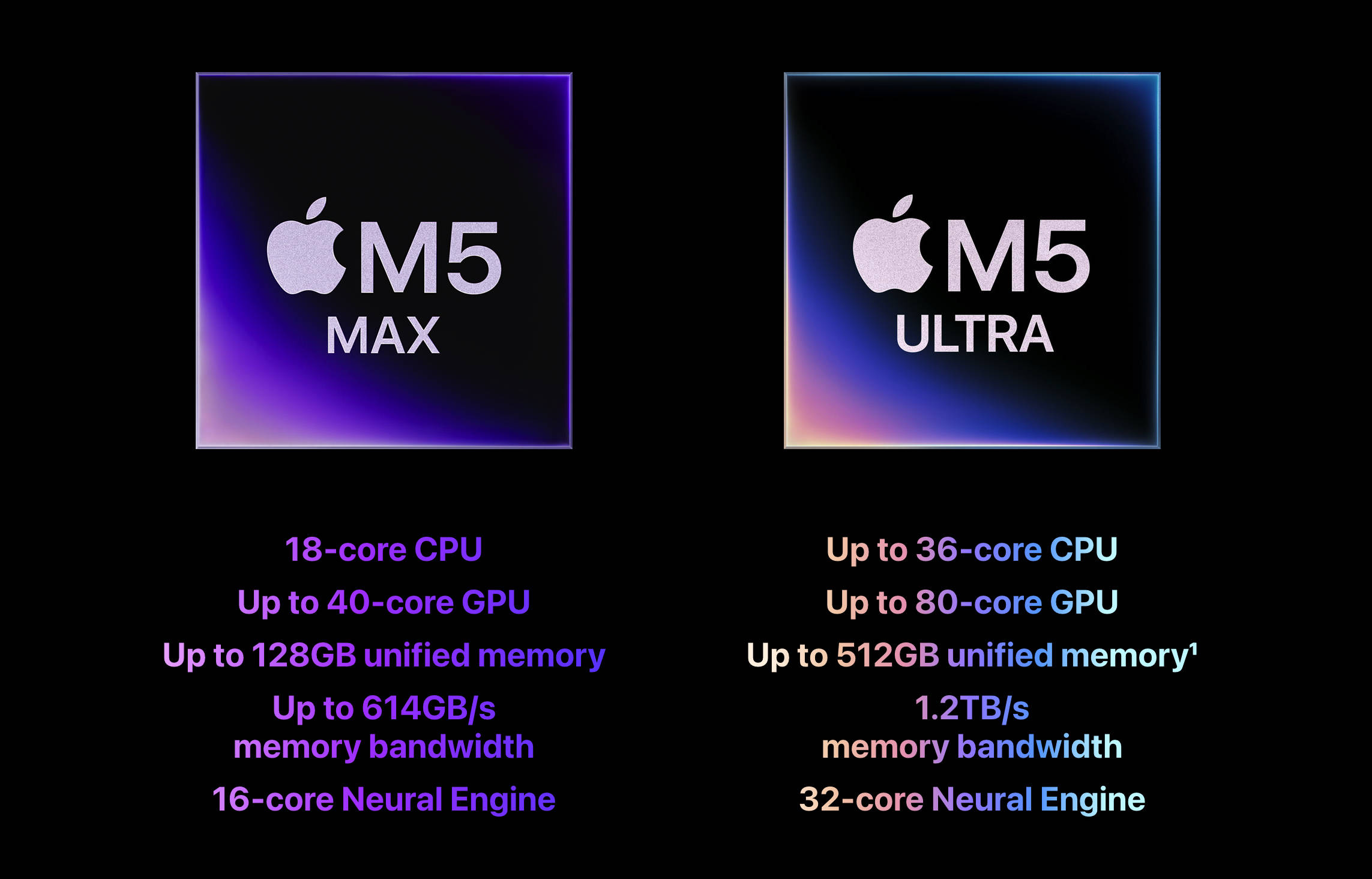 Apple M5 Max M5 Ultra (Image © Apple)
The flagship model is powered by the M5 Ultra and offers up to 36 CPU cores and 80 GPU cores. Key specifications of the Ultra include:
- Memory: Up to 512 GB of unified memory with a bandwidth of 1.2 TB/s, enabling the local hosting of large language models.
- AI clustering: Thanks to support for Thunderbolt 5 and RDMA, multiple Mac Studios can be connected to form a cluster. A setup with four devices is said to be three times faster than a single device when performing distributed AI inference.
- Media processing: Ability to process up to 33 parallel 8K ProRes 422 streams at 30 fps.
- Storage and I/O: PCIe Gen 6 SSDs that are twice as fast as the previous generation, Thunderbolt 5 speeds of up to 120 Gbit/s, and support for eight displays.
Pricing and Availability
The updated hardware has new starting prices on the German market:
- Mac Mini (M6): Starting at 1,050 EUR.
- Mac Mini (M5 Pro): Starting at 2,000 EUR.
- Mac Studio (M5 Max): Starting at 3,000 EUR.
- Mac Studio (M5 Ultra): Starting at 6,600 EUR.
Pre-orders are now available, and shipping begins on September 22, 2026. The Mac Studio configuration with 512 GB of RAM will be available in late October. All devices will ship with macOS 27 Golden Gate.