
 Computer Forum
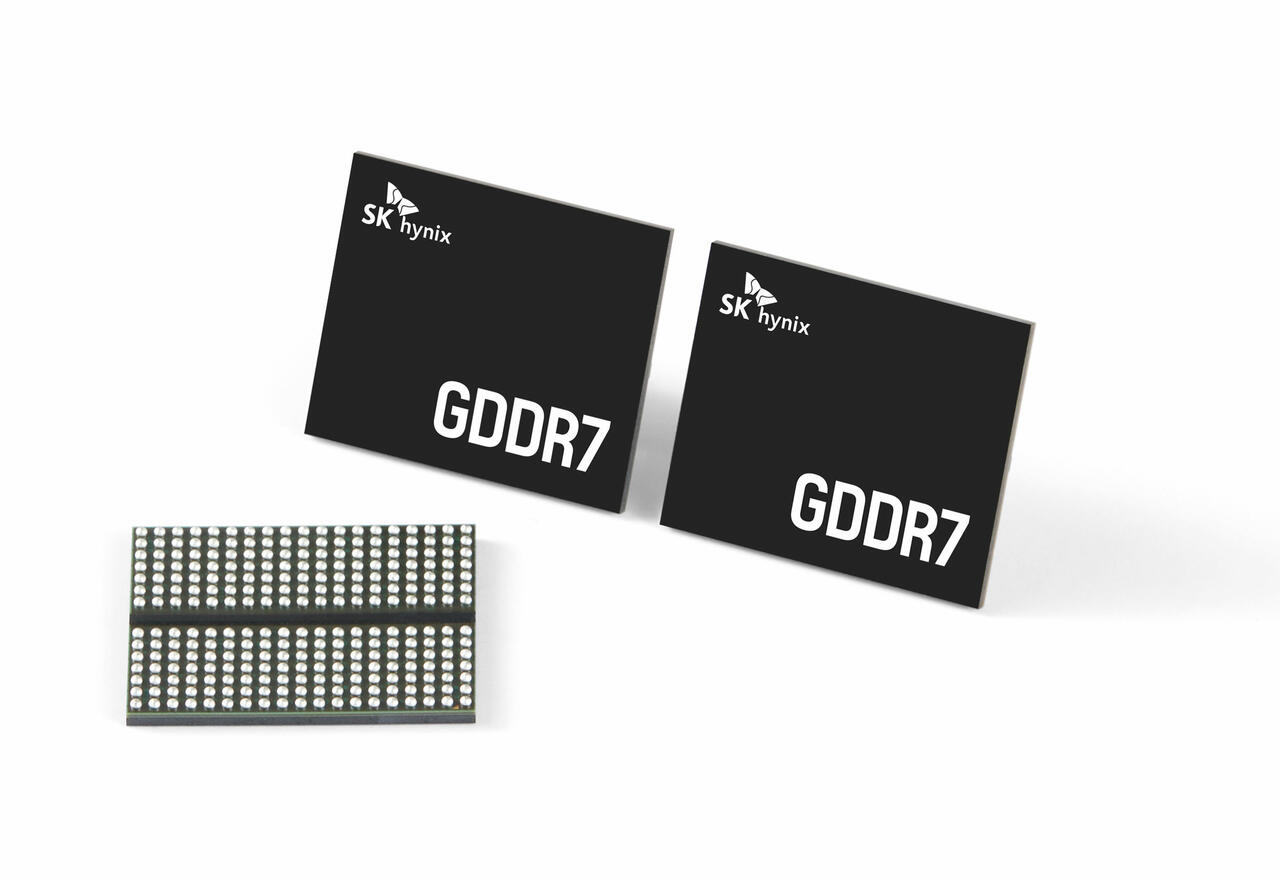 SK hynix GDDR7 (Image © SK hynix)
A key component of the new updates is the introduction of the GDDR7 designator into the naming conventions for the AMDGPU driver’s graphics memory. This change serves as technical confirmation that upcoming hardware will utilize this memory standard. While the current RDNA4 architecture continues to rely on GDDR6, industry reports point to a shift in the next-generation RDNA5 series. This move brings AMD in line with current market trends, as evidenced by the implementation of GDDR7 in the Nvidia GeForce RTX 50 series. The inclusion of this identifier in the open-source driver suggests that RDNA5 will be the primary beneficiary of this memory upgrade.
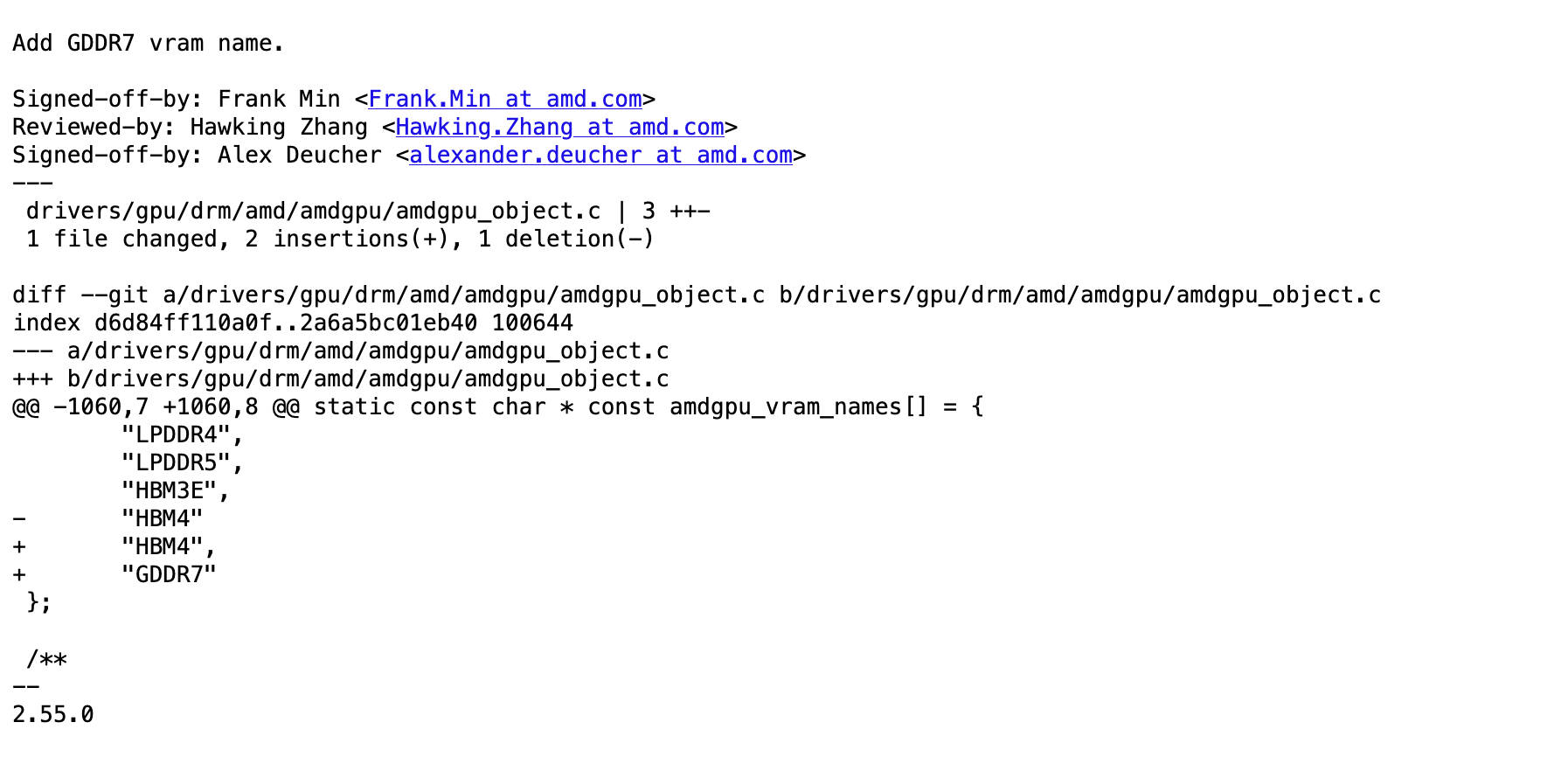 AMD Grafikkarten mit GDDR7 kommen (Image © AMD)
Enabling New Hardware
Beyond memory support, the patches introduce important updates for internal hardware communication and processing. The submission includes the activation of the following IP blocks:
- Interrupt Handler IH 8.0: This update optimizes how the system manages hardware interrupts, ensuring more efficient communication between the GPU and CPU.
- New Bus Interface NBIF 7.10: This is the latest version of the New Bus Interface, which controls the data flow between the graphics processor and other system components.
In addition to these main updates, the release includes various supplementary patches designed to prepare the driver environment for the operational requirements of the new hardware.