
 Computer Forum
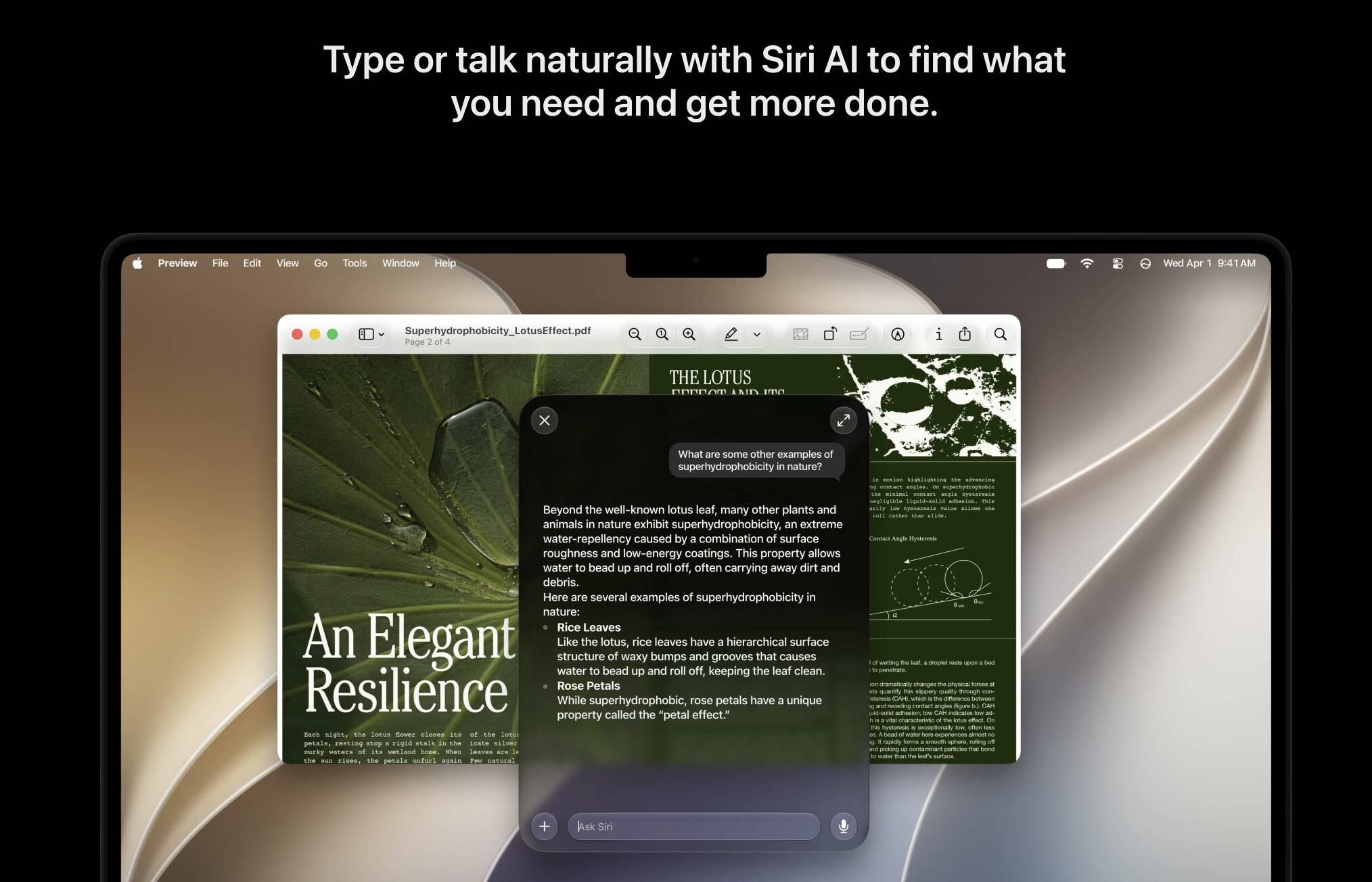 macOS 27 Golden Gate (Image © PCMasters.de)
Improvements to the Core AI and Neural Engine
A key focus of Beta 3 is optimizing the Neural Engine for Apple Intelligence. The system now delivers improved performance when loading large models exceeding 1 GB. To provide greater transparency in resource monitoring, memory usage associated with the Neural Engine is now attributed directly to the application process rather than the overall system. Additionally, background access to the Neural Engine is now restricted and requires a special developer permission.
AppKit and User Interface Updates
Significant changes have been made to AppKit to improve accessibility and navigation. The introduction of NSRefreshController allows developers to implement “pull-to-refresh” actions in scroll views. For power users, a new keyboard shortcut (cmd-shift-f) has been added to quickly access recently used files in Save and Open dialogs.
The update also changes how menu icons are displayed. By default, icon images are now hidden in the menu bar and in context menus to ensure a cleaner appearance; however, developers can override this using the preferredImageVisibility property. Additionally, segmented controls with semantic roles have been updated; for example, marking a control as “tabs” changes its visual style and ensures that VoiceOver correctly identifies it for visually impaired users.
Transition from the Legacy Intel Architecture
macOS 27 continues to move toward an ARM-native ecosystem. Applications that were previously configured by the user to open via Rosetta now attempt to launch natively by default, requiring developers to re-evaluate compatibility. To facilitate this transition, a new indicator in the “Get Info” window flags Intel-based applications that will no longer work on macOS 28.0.
As for other deprecated features, Apple has deprecated “Encrypted HFS+” (CoreStorage) in favor of APFS and removed the AirPort utility from new system installations. The DVDPlayback framework has also been removed from the SDK.
Network Security and Hardware Support
Security protocols for critical system processes have been tightened, including those that handle MDM, automatic device registration, and software updates. These processes now require stricter TLS requirements, under which servers must support at least TLS 1.2 with certificates that comply with App Transport Security (ATS) standards.
As for hardware, the operating system now offers native support for the PlayStation Access controller, allowing users to create and save custom input profiles directly on their devices. In addition, a new DiskImageKit framework introduces Swift APIs for managing standalone and stacked disk images in ASIF and Raw formats.
Siri and Home Intelligence Integration
Home Intelligence has been expanded through the use of “Private Cloud Compute,” which is now used to generate video descriptions and search results for HomeKit Secure Video recordings.
However, access to these Apple Intelligence features within the Home app requires a 2 TB iCloud+ subscription.
The developer notes also highlight ongoing issues with Siri in this beta version, including difficulties matching contacts with identical names, errors when creating recurring reminders, and inaccurate results when searching for photos or albums.