
 Computer Forum
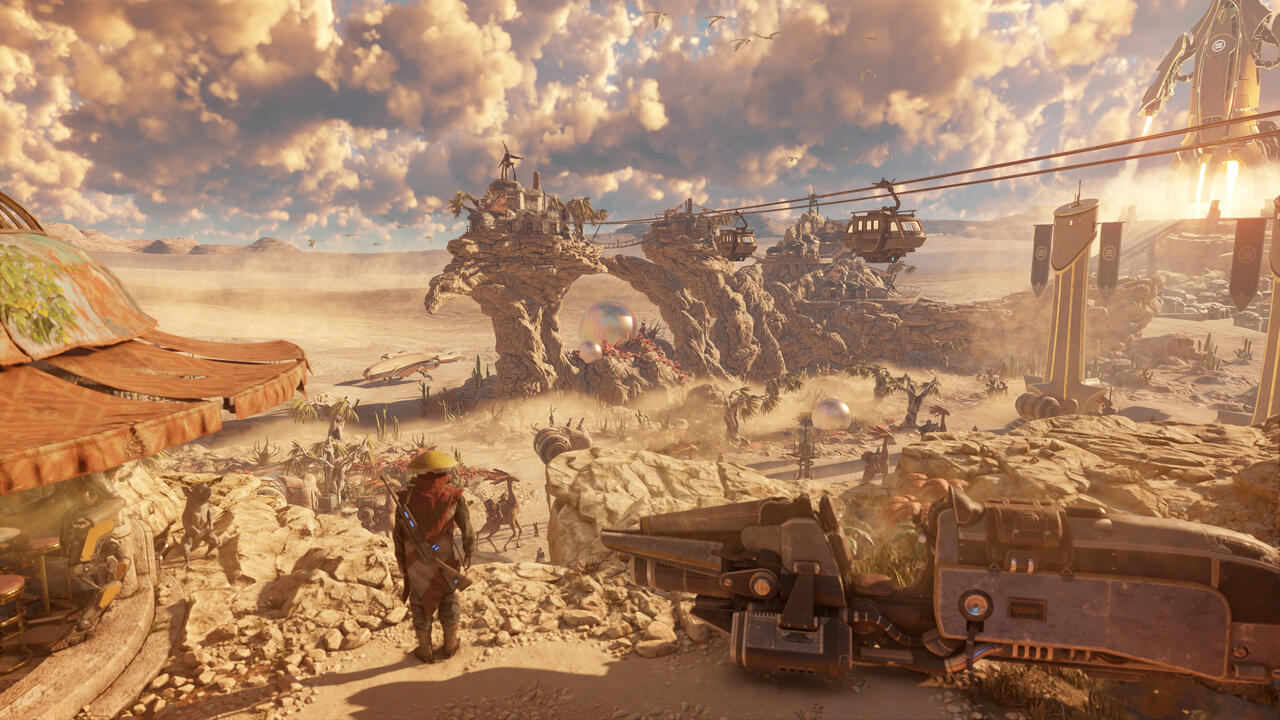 3DMark Steel Nomad Screenshot 2 (Image © UL)
To ensure technical clarity, 3DMark uses two different numbering systems. The application version refers to the entire software suite. These numbers change frequently to incorporate new features and maintain synchronization with the latest hardware releases. Users can view their current application version and receive update notifications directly from the Options screen within the software.
In contrast, the version numbers of the benchmarks—such as “Time Spy v1.0”—are tied to specific tests. These versions remain unchanged and are only updated when fundamental changes to the test parameters are required.
Optimizations for Windows on Arm Architecture
A significant portion of version 2.32.8919 is dedicated to improving the user experience on Arm-based devices. The development team has implemented several targeted improvements:
- Installation Efficiency: The time required to install the 3DMark suite on Windows devices with Arm architecture has been reduced.
- Benchmark Guidance: The application now provides updated benchmark recommendations specifically tailored to Arm hardware to ensure users run the tests best suited for their system.
- HDR Compatibility: A specific bug that occurred in Explorer mode during “Steel Nomad Light” on Windows devices with ARM architecture when High Dynamic Range (HDR) was enabled has been fixed.
Benchmark and Feature Updates
The update includes specific version updates for the Solar Bay series as well as fixes for key feature tests.
Updates for the Solar Bay Series
Two specific benchmarks have been updated to ensure stability on ARM-based systems:
- Solar Bay Extreme: Updated to version 1.0.6.2. This version resolves several issues that previously caused the test to fail on Windows running on ARM hardware.
- Solar Bay: Updated to version 1.0.8.1, which resolved similar issues on ARM-based devices.
Fixes for Functional Tests
Technical fixes were also made to general application functionality:
- VRS Functional Test: An issue that prevented the Explorer mode from launching for the Variable Rate Shading (VRS) functional test has been fixed.
- DLSS Support Check: A rare error where the system check for Deep Learning Super Sampling (DLSS) support failed has been fixed.
Despite the improvements in this version, a known issue persists. The 3DMark DLSS feature test continues to fail on ARM-based devices, even those that offer native DLSS support. This remains an open issue for future compatibility updates.