
 Computer Forum
 Logitech G305 X SUPERLIGHT (Image © Logitech)
G305 X SUPERLIGHT
The G305 X SUPERLIGHT is a further development of the predecessor model G305, which focuses on weight reduction and sensor precision. The device now weighs around 59 g and uses the HERO sensor, which supports a maximum of 44K DPI.
To accommodate different workflows, the mouse offers triple connectivity via LIGHTSPEED Wireless, Bluetooth and a standard wired connection. For users who require higher precision, the mouse is compatible with the PRO LIGHTSPEED receiver, which enables transmission rates of up to 8 kHz.
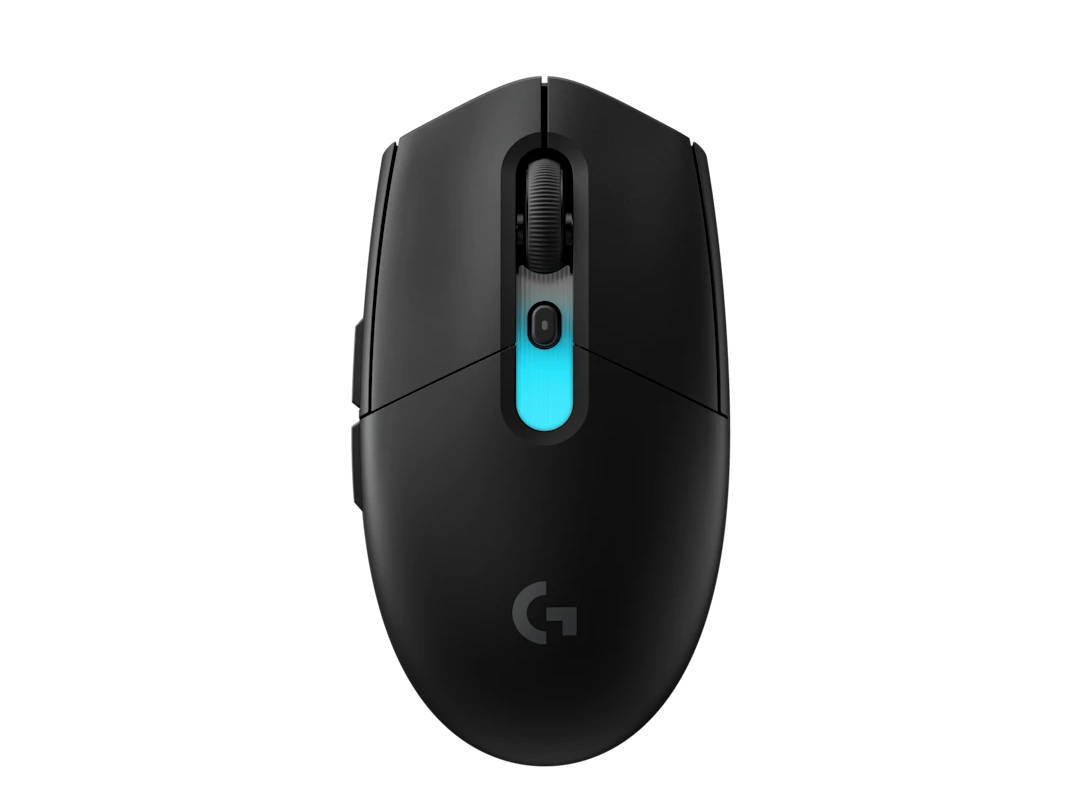 Logitech G305 X SUPERLIGHT Maus (Image © Logitech)
Powered by USB-C, it offers a battery life of over 130 hours, with a quick charge function that provides 3.5 hours of operation after two minutes of charging.
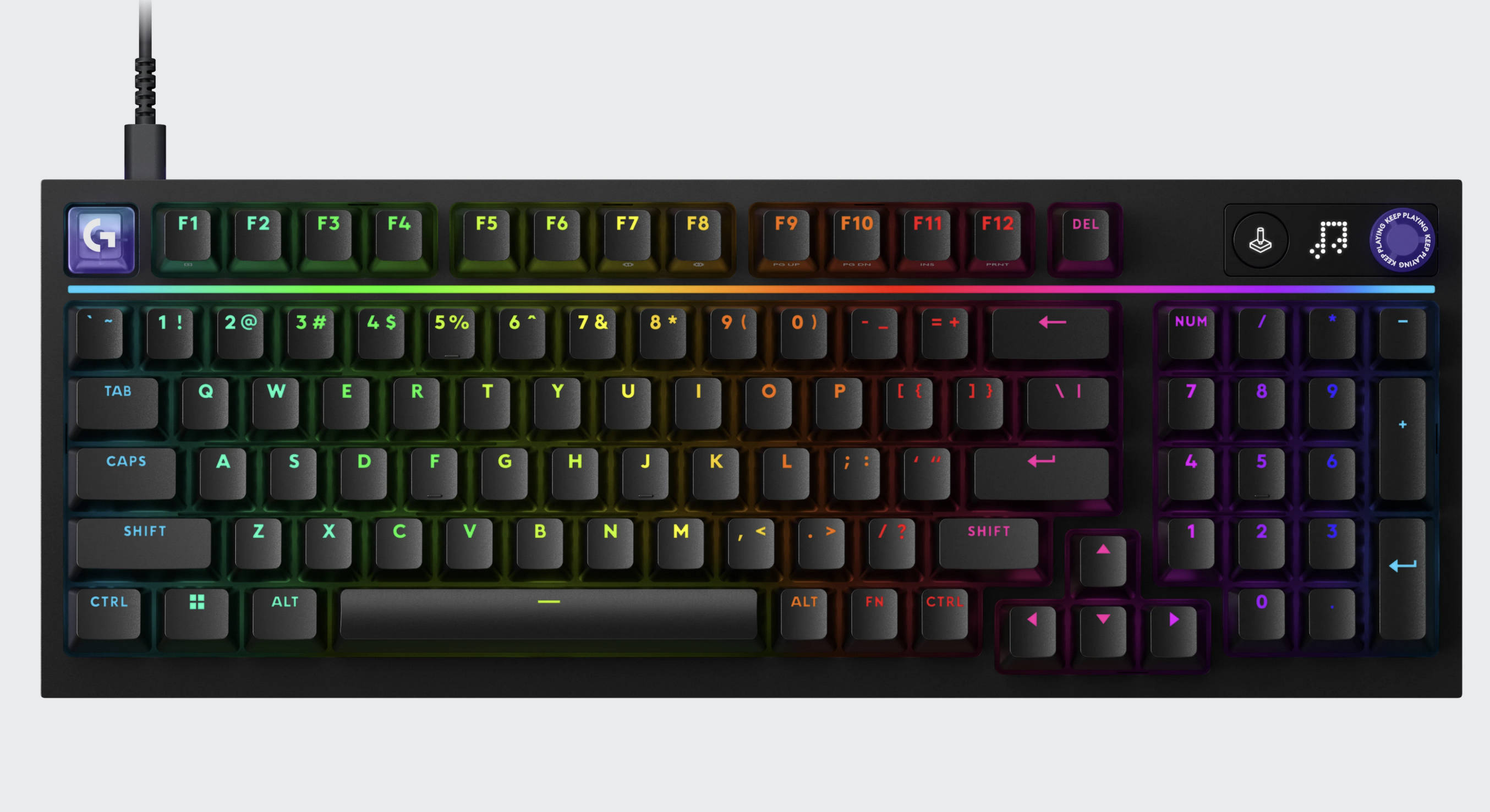 Logitech G316 X 98 (Image © Logitech)
G316 X 98
The G316 X 98 is a wired mechanical keyboard designed for low-latency input and acoustic optimization. It has a response time of 0.125 ms and a transmission rate of 8 kHz.
From a design perspective, the keyboard utilizes a multi-layer snap-fit gasket design. This screwless design is intended to change the sound profile and feel of the keys. Operation is via a combination of a physical knob and an integrated LED dot matrix display, which can be used to adjust brightness, volume and transfer rates in real time.
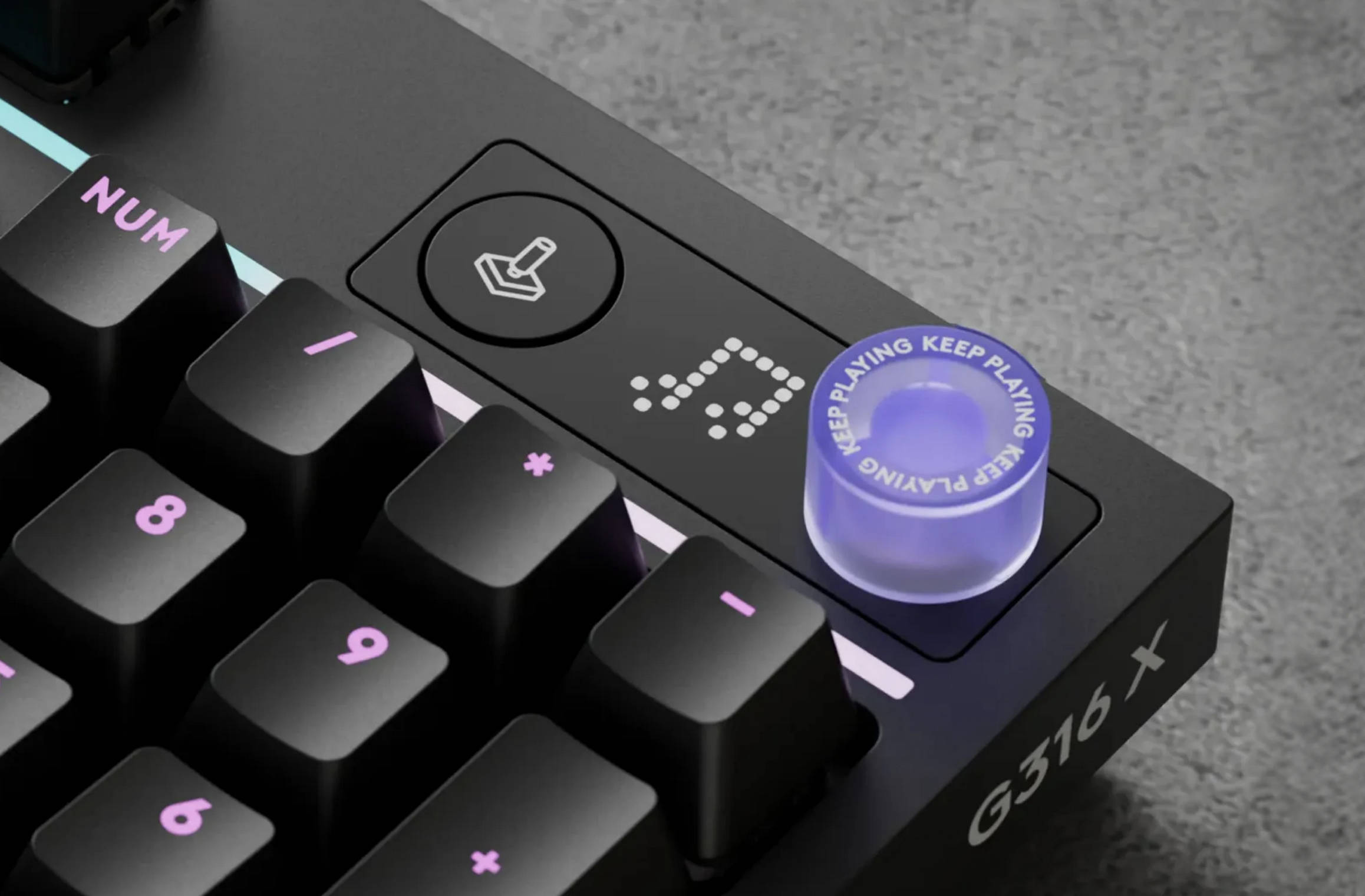 Logitech G316 X 98 2 (Image © Logitech)
For customization, the keyboard supports hot-swappable switches and is compatible with cross-pattern keycaps. Visual personalization is achieved via G HUB, which manages RGB lighting per key and 30 different lighting zones. Rounding out the G3 series is the G325 wireless headset, which offers 24-bit audio and a boomless microphone that uses AI noise reduction to filter out background noise. All devices in the series are managed through the G HUB software suite, allowing the use of community-shared profiles and custom macros.
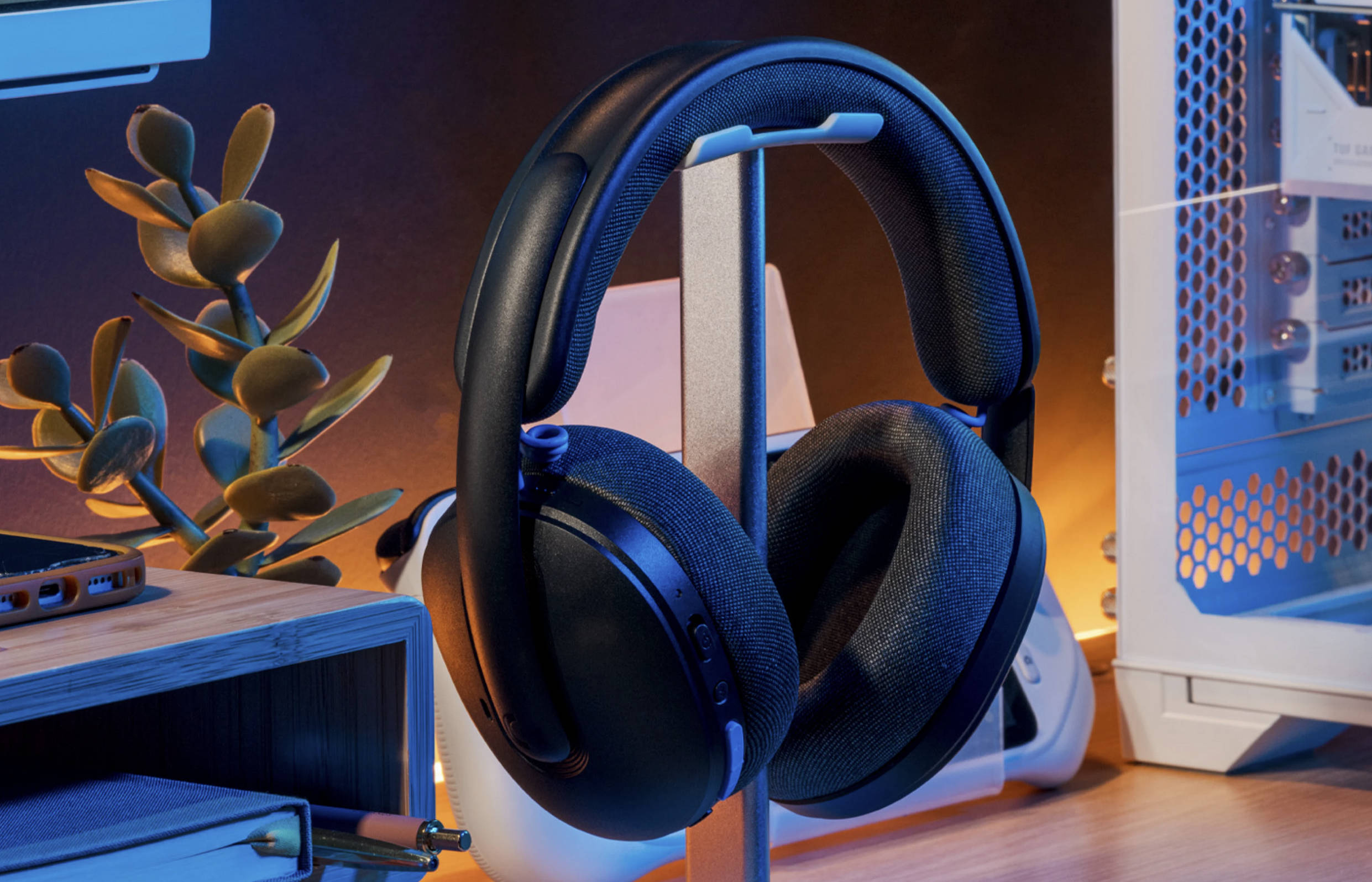 G325 Headset (Image © Logitech)
The G305 X SUPERLIGHT and G316 X 98 models will be launched on June 30, 2026 in black and white. The mouse costs €79.99, the G316 X 98 keyboard is listed for €119.99. The G325 headset is still available for €79.99. However, the first stores have already listed the peripherals: