
 Computer Forum
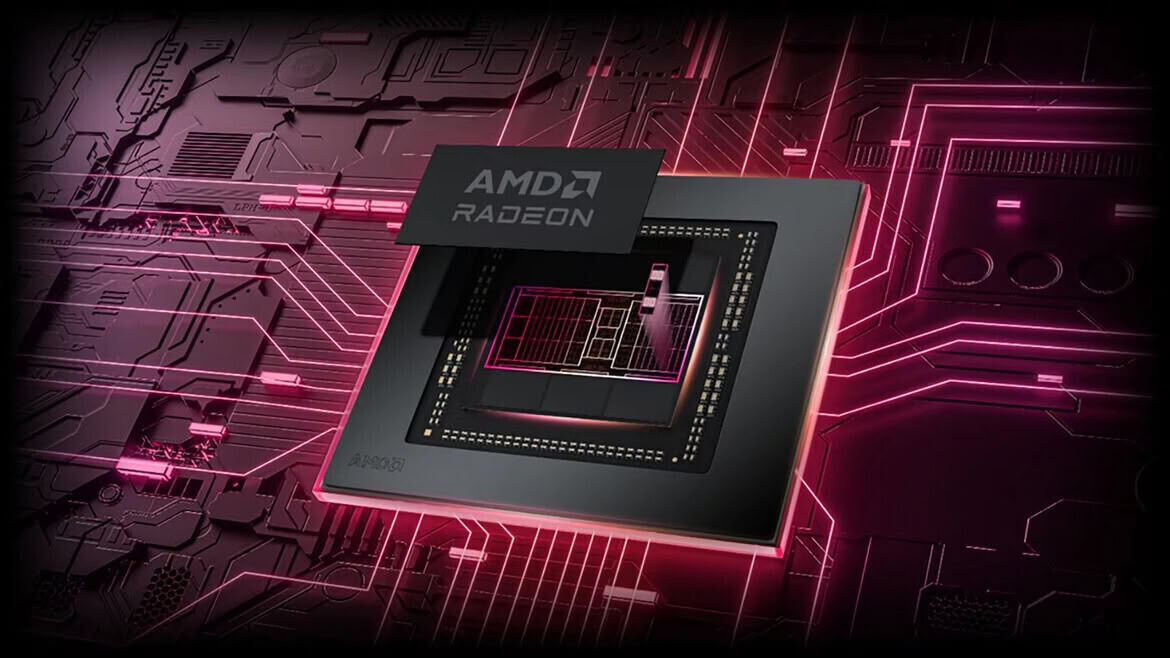 AMD Zen 7 (Image © AMD)
Zen 7 Grimlock
The Zen 7 architecture, known by the codename “Grimlock,” is expected to serve as the foundation for the next generation of Ryzen processors. According to the leak, the RDNA 5+ graphics generation will be paired with these APUs. While the exact technical differences between RDNA 5 and the RDNA 5+ variant have not yet been disclosed, the timeline suggests it will be quite some time before these graphics capabilities reach the broader mobile market.
Possible Breakdown of the APU Roadmap
This claim aligns with earlier reports from January suggesting that AMD might split its APU development path. Under this theoretical strategy, the roadmap would be divided based on the graphics requirements of the target device:
- Standard Tier: Products with lower integrated graphics requirements, such as office laptops or systems with high-end discrete GPUs, would reportedly remain on the RDNA 3.5 architecture through 2029.
- Premium segment: High-end components, including the anticipated “Medusa Halo,” would adopt the RDNA 5 architecture.
Conflicting Technical Indications
Current technical data paints a more complex picture of AMD’s immediate development plans. Earlier reports suggest that “Medusa Point” might instead use RDNA 4m, which is described as a modified version of RDNA 3.5 and supports FSR 4. Further clues can be found in the HIPRT 3.2 release notes, which list Medusa support for the following hardware identifiers:
- gfx1170
- gfx1171
- gfx115E
Since the gfx115x family is associated with the RDNA 3.5 architecture, these clues suggest that at least one version of the Medusa chip will continue to use older graphics technology. If these technical notes are accurate, the transition to RDNA 5 in mainstream Ryzen laptops and handheld devices could be delayed further than originally expected.
To date, AMD has not officially confirmed the naming conventions, hardware specifications, or release schedule for the Zen 7 “Grimlock” generation.