
 Computer Forum
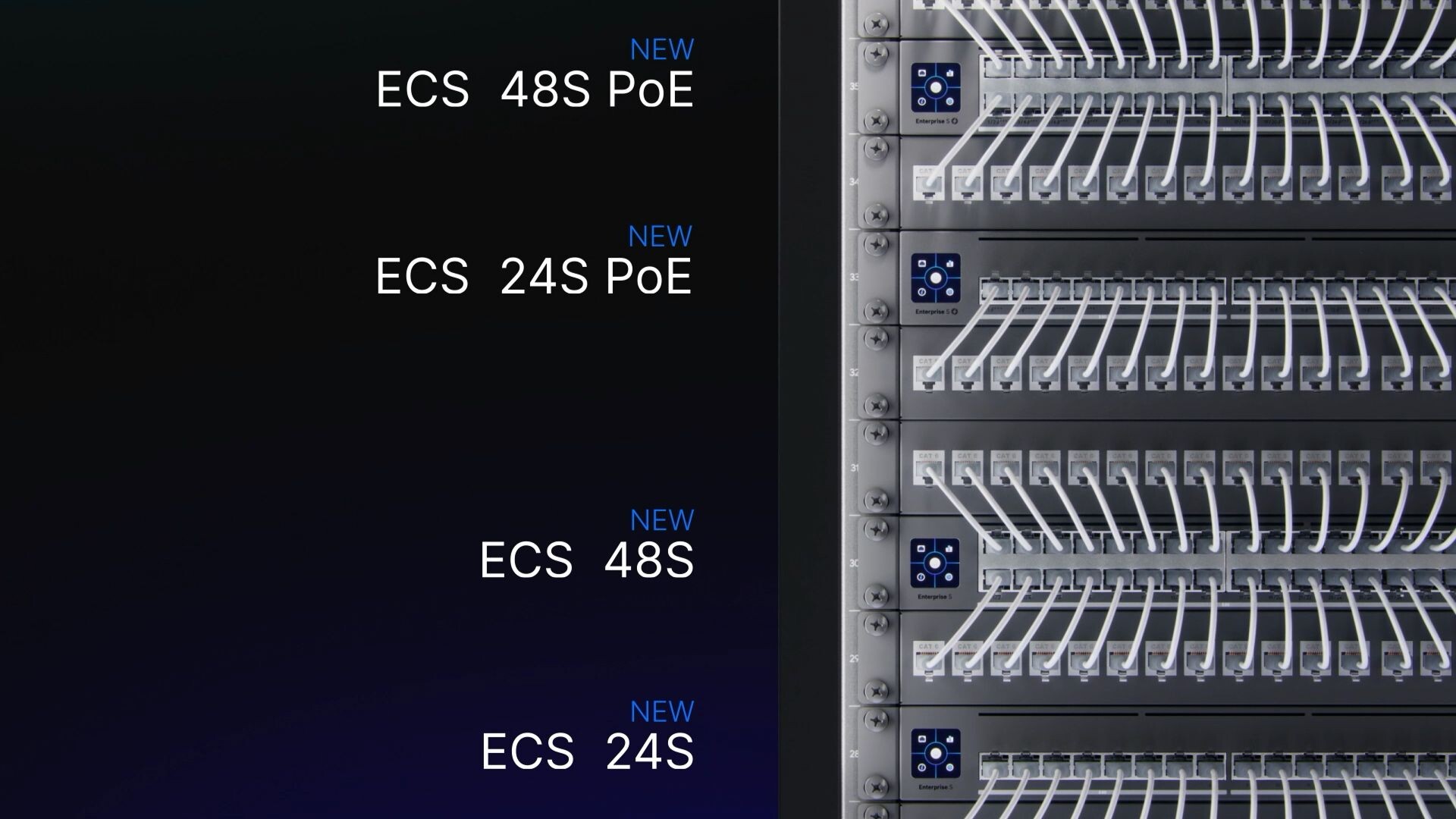 UniFi Enterprise Netzwerk Infra (Image © Ubiquiti)
Advanced Port Management and Layer 2 Improvements
One of the most important new features in version 11.1.47 is the introduction of port automation. This feature allows administrators to automatically apply specific port profiles based on the MAC OUI or the manufacturer of the connected device. This reduces the manual configuration effort required when deploying standardized hardware on the network. Network administrators can now configure multiple VLANs on a single port and use a new “Passthrough VLANs” setting to optimize traffic routing. A “Wake-on-LAN” option is now available for wired clients. This functionality requires that “Wake-on-LAN” be enabled in the BIOS or UEFI settings on the target device and that the device remain connected to a power source via an active network adapter. In addition, the update improves switch configuration by enabling the storage of IGMP querier addresses on switches that do not act as primary querier.
Monitoring and Traffic Analysis
Transparency regarding network behavior has been enhanced through several telemetry updates. The “Historical Flows” section now includes an option for the update interval, and the topology map features new progress indicators for devices. System logging has been expanded to include the following:
- Events triggered by changes to public WAN IP addresses.
- Logs for Matter-enabled smart home devices.
- Alerts for AP channel changes, client roaming events, and 5G SIM changes.
Traffic Flows now supports filtering by threat signatures, enabling a more detailed security analysis. The system also supports a higher number of Live Flows, provided that the environment is running UniFi OS Gateway 6.1 or a newer version. In addition, usage statistics are now integrated into the Object-Oriented Networking objects.
Hotspot Management and Guest Experience
The Hotspot Manager has received a series of updates aimed at improving the guest onboarding process. Administrators can now enable a personal password for each guest, generating unique login credentials for individual users that they can use across multiple devices. Guest data collection has also been expanded. The system can now capture guests’ email addresses, which can be exported via CSV files or transmitted to external systems using webhooks. Integration with external authorization has been refined to ensure more stable authentication workflows.
System Stability and Optimization
Several backend engines have been optimized for reliability and performance. The statistics engine has been updated for greater stability, and the overall stability of the application has been improved.
Key technical optimizations include:
- SD-WAN: Stability improvements to prevent tunnel reconnections to failover hubs when new spokes are added.
- Channel AI: Refinements to the logic for automated channel selection.
- Mesh Onboarding: Changes to prevent the modification of “Mesh Parent” settings on non-associated access points during onboarding.
- Object Creation: A new preview feature allows users to review automatically generated objects before they are saved to the configuration.
Bug Fixes
Version 11.1.47 fixes several critical bugs that affected network connectivity and hardware control. A fix was implemented for the kill switch to prevent it from blocking Internet access when a routed VPN client is paused. Other notable fixes include:
- **MC-LAG: An issue was resolved where port configurations on peer links caused the loss of tagged VLANs or keepalive traffic.
- Hardware Control: A bug was fixed that prevented remote power-off commands for UPS 2U Pro outlets.
- Shadow Mode: A security vulnerability was fixed that could cause standby consoles to lose their configuration during power outages as part of a recovery process.
- Device Management: A bug related to blocking clients was fixed that occurred when nearby, unassigned devices were running older firmware.
- Transparency: An issue where blocked traffic from WireGuard clients was missing from traffic streams has been resolved, and the incorrect display of hostnames on certain devices has been corrected.
- API and Site Manager: A rare freeze in Integration API requests, which lasted up to 40 seconds, has been resolved, and inaccurate Internet status data in Site Manager has been corrected.
Deployment Recommendations
For users managing self-hosted UniFi deployments, it is recommended to migrate to the UniFi OS Server. This transition provides the full UniFi OS platform experience, including all the latest integrations and features. For deployments where self-hosting is not a requirement, UniFi Cloud Gateways remain the recommended solution by default.