 Computer Forum
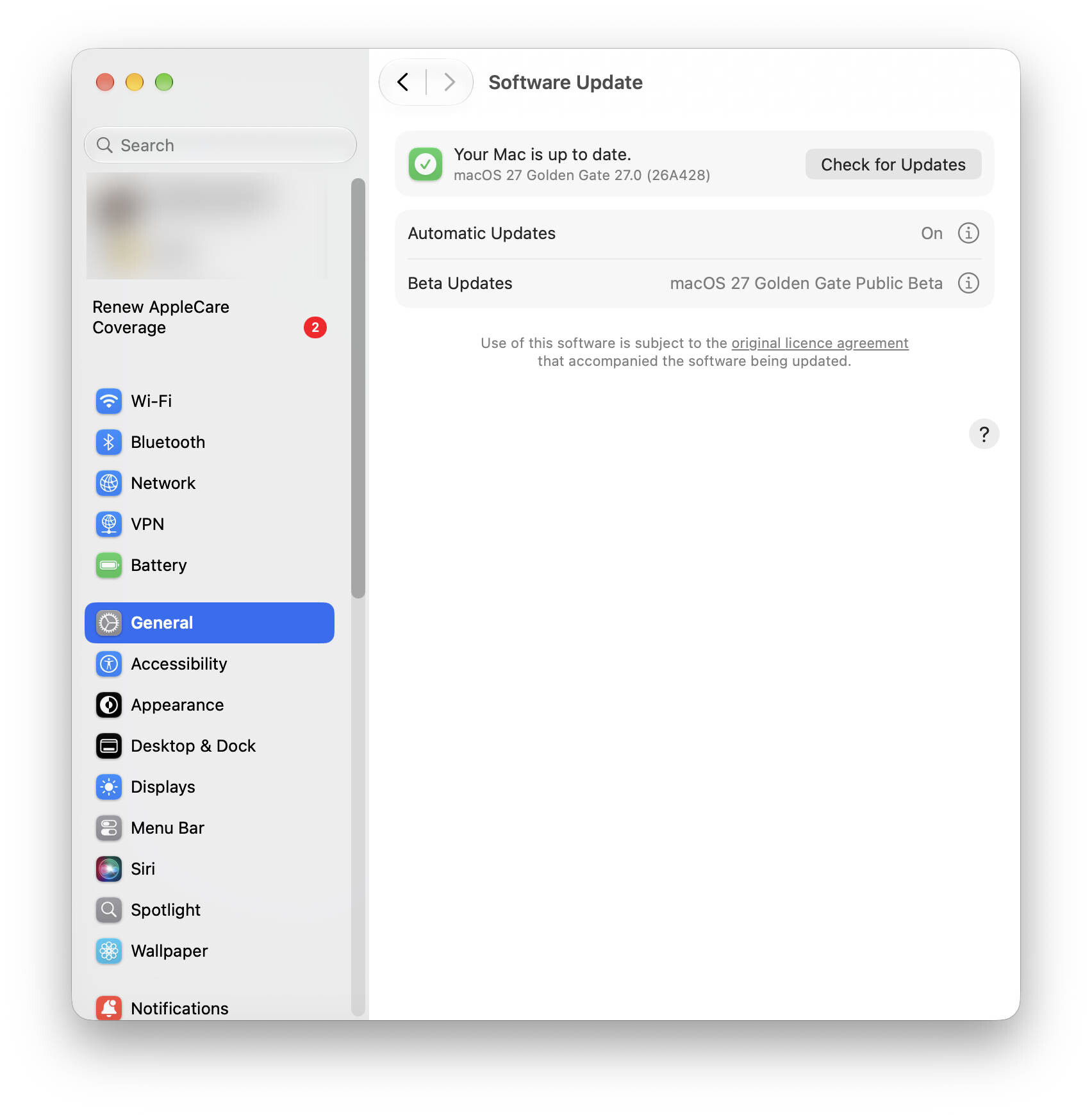 Apple macOS 27 0 (Image © PCMasters.de)
The project has established a formal policy for AI-generated contributions to ensure that the integration of generated code does not compromise the integrity of the software. Under these rules, the human contributor submitting a pull request remains fully responsible for every line of code, regardless of whether it was generated by AI. The maintainers require contributors to be able to explain the logic of the code in their own words, and all technical inquiries must be answered by humans, not bots.
To comply with legal and technical standards, Darling adheres to strict “clean-room” implementation rules:
- Contract-based implementation: Developers must implement documented system contracts rather than using hacks designed for specific applications.
- Layering and Isolation: The project respects macOS’s native layering and requires that undocumented system peculiarities be isolated and labeled.
- Source Code Integrity: The use of leaked materials or restricted Apple source code, such as corecrypto, is strictly prohibited.
- Anti-Disassembly: The project prohibits the use of disassembly to generate compatible code.
The practical benefits of this AI integration have already been demonstrated, as AI-generated patches have made it possible to run the macOS version of League of Legends on Linux. The team is currently working to reintegrate various AI-enhanced forks back into the main upstream project.
ARM64 Support
A significant technical milestone was the introduction of initial support for the ARM64 architecture. This update is crucial because Apple has transitioned its hardware to ARM64-based chips, meaning that most modern macOS programs are written primarily or exclusively for this architecture. Without ARM64 compatibility, the project would be limited to older hardware architectures that are no longer the focus of macOS development.
The development of this support was heavily influenced by the VibeDarling fork, which was built on ARM64. The continued use of ARM64 code paths within this fork has ensured a level of stability that the team aims to maintain even after the fork is merged into the primary Darling codebase.
Development Roadmap and Goals
The project has outlined a phased approach for the coming months and the long term.
Short-Term Goals
The immediate priority is to consolidate all existing forks into the main project. This process is managed by an agent-driven merge logic that has already autonomously identified and fixed bugs in both the code of the incoming forks and the existing Darling codebase. The project intends to officially support three architectures: i386, x86-64, and ARM64 (aarch64). In addition, experimental work is underway to enable ARM64 applications to run on x86-64 hosts using Dynarmic, although this remains a speculative goal at this time.
Long-Term Goals
In the long term, efforts will focus on stabilizing AppKit support to improve the visual quality of user interfaces. The developers plan to test specific applications for compatibility, with open-source applications taking priority, as this enables the AI agents to better understand the software’s system requirements. Furthermore, the project intends to develop native GUI applications within Darling, including a log viewer similar to Console.app and a configuration utility. These tools are intended to serve both as system management utilities and as practical tests for the project’s AppKit implementation.
Given the complexity of the Darling source code, the project recommends that new contributors coordinate via Discord. Anyone using AI assistants must adhere to the AI policy mentioned above, which emphasizes personal responsibility for all submitted code. Financial support for the project is managed through OpenCollective, with funds used for infrastructure, hosting, and the operational costs of LLM usage.