 Computer Forum
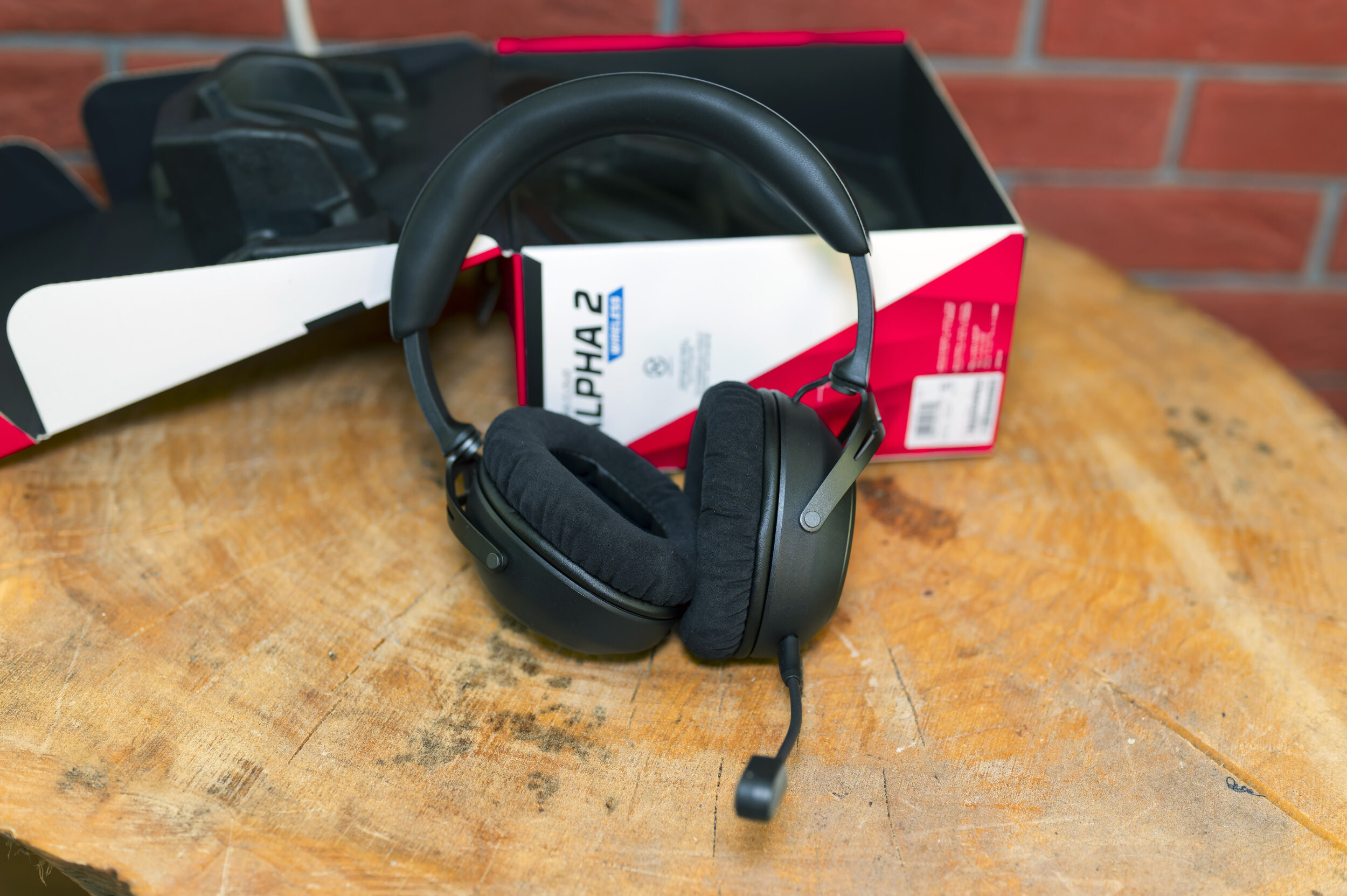 HyperX Cloud Alpha2 Wireless Review (Image © PCMasters.de)
HyperX history
HyperX was founded in 2002 as Kingston Technology's gaming division and quickly established itself as one of the most trusted names in gaming peripherals. From the start, the company focused on memory modules and storage solutions designed specifically for gamers, combining reliability with performance-driven hardware and a strong brand identity.
Over the years, HyperX expanded beyond memory, and it is now including headsets, keyboards, mice, controllers, and accessories.
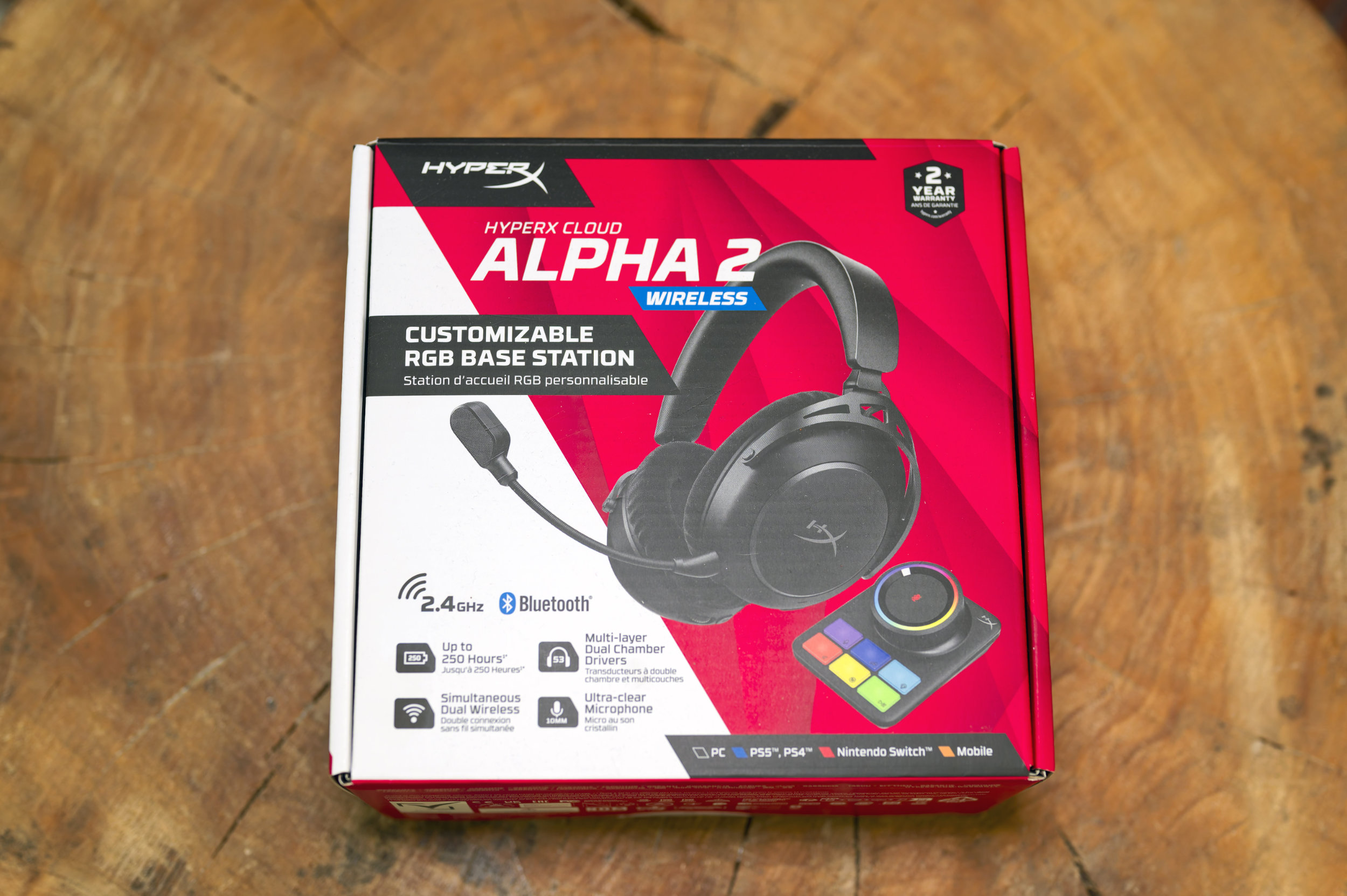 HyperX Cloud Alpha2 Wireless History (Image © PCMasters.de)
Kingston Technology sold HyperX to HP Inc. in June 2021 for $425 million. The deal only included computer peripherals branded as HyperX, not memory or storage. Kingston retained ownership of the memory and storage products, which it has rebranded as Kingston FURY. The company has been especially successful at mixing gaming performance with durability and comfort, which helped it grow from a memory specialist into a globally recognized gaming brand.
This approach also shaped its headset lineup, with the Cloud series becoming one of the most prominent names in the portfolio. The Cloud Alpha 2 Wireless keeps the core Cloud DNA—steel-and-aluminum frame, plush pads, dual-chamber drivers—and layers on modern wireless features and a control hub that finally gives the series a proper command center.
 HyperX Cloud Alpha2 Wireless Packaging 1 (Image © PCMasters.de)
Scope of delivery
Packaging
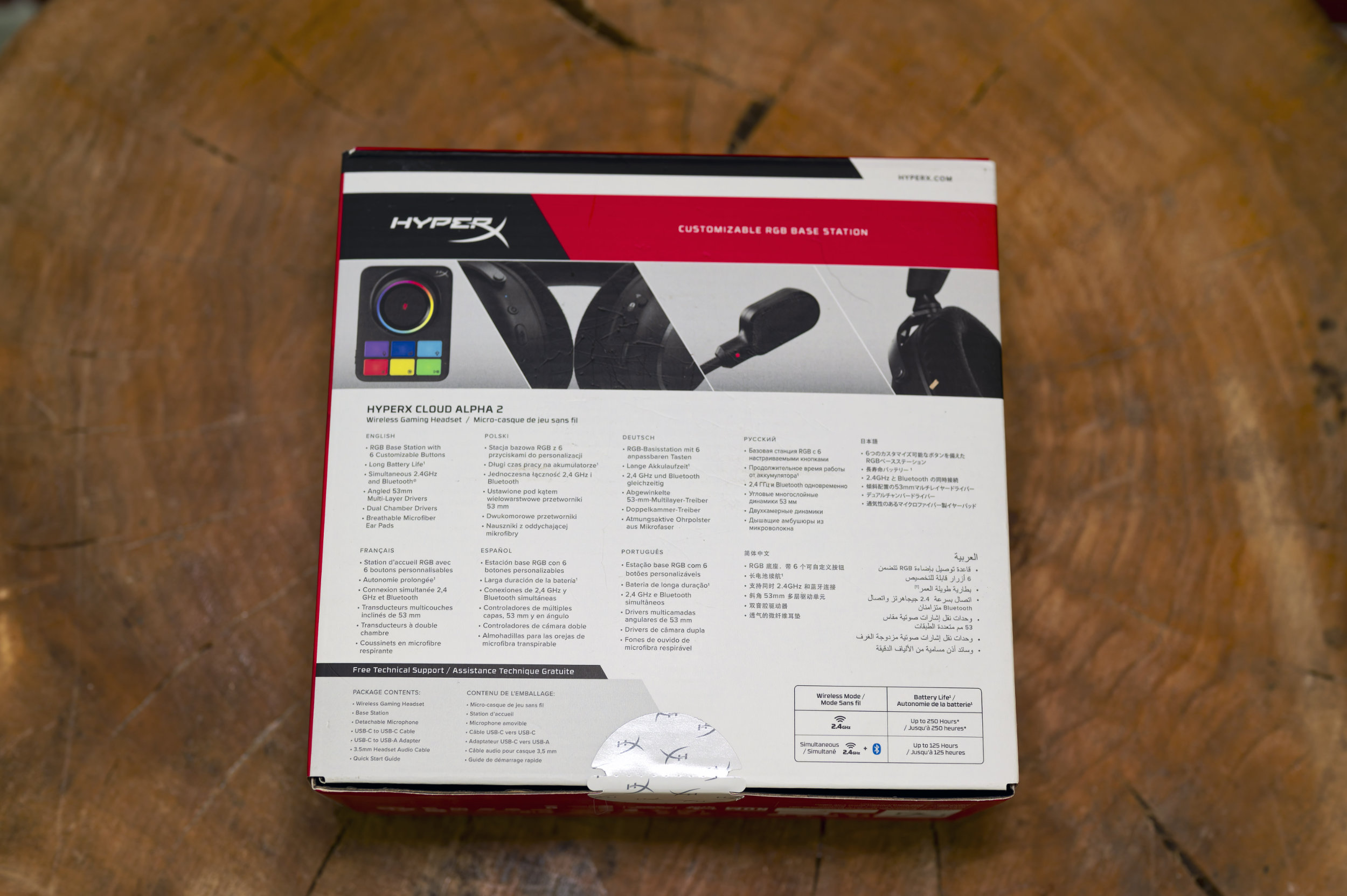
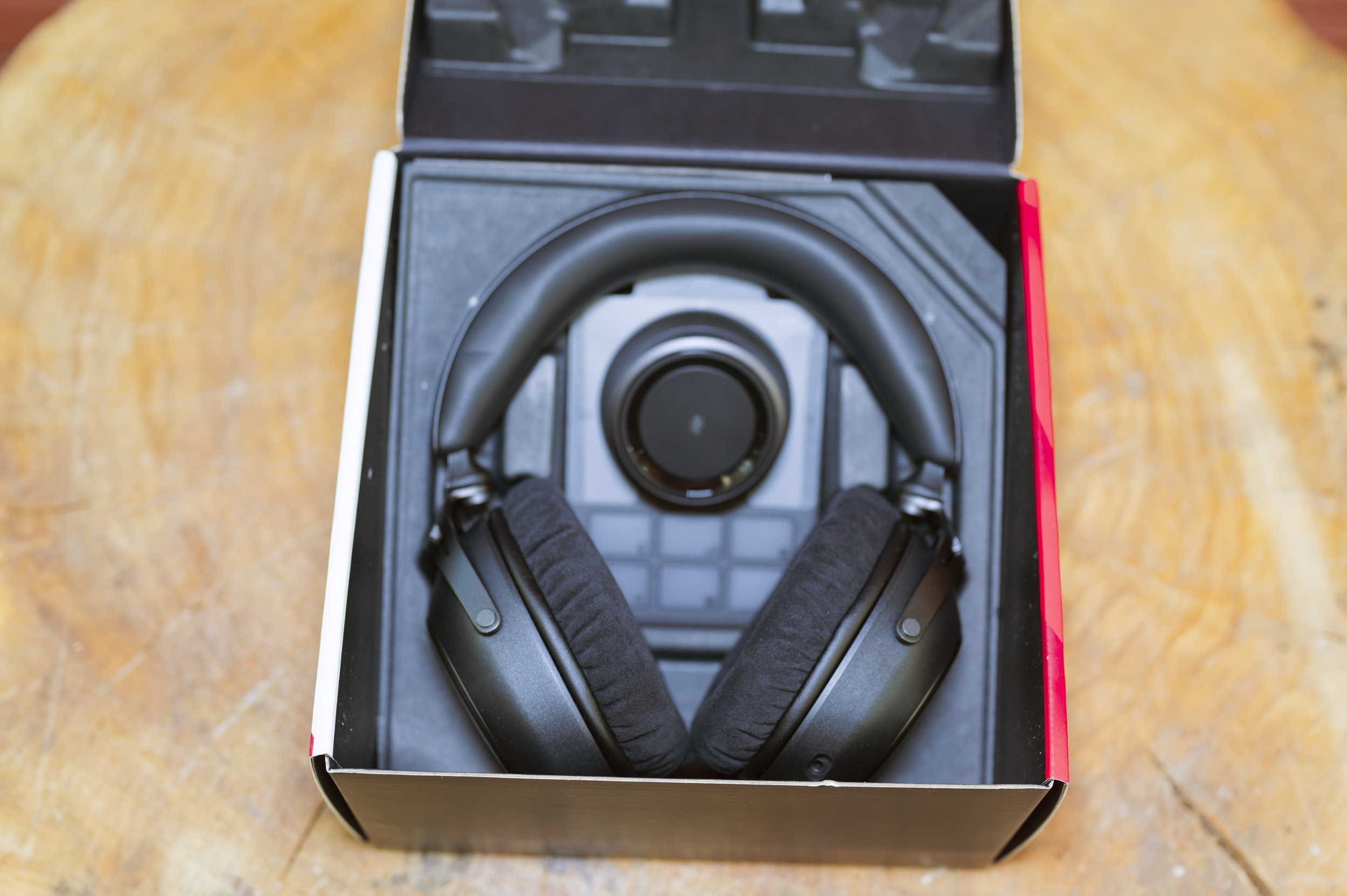
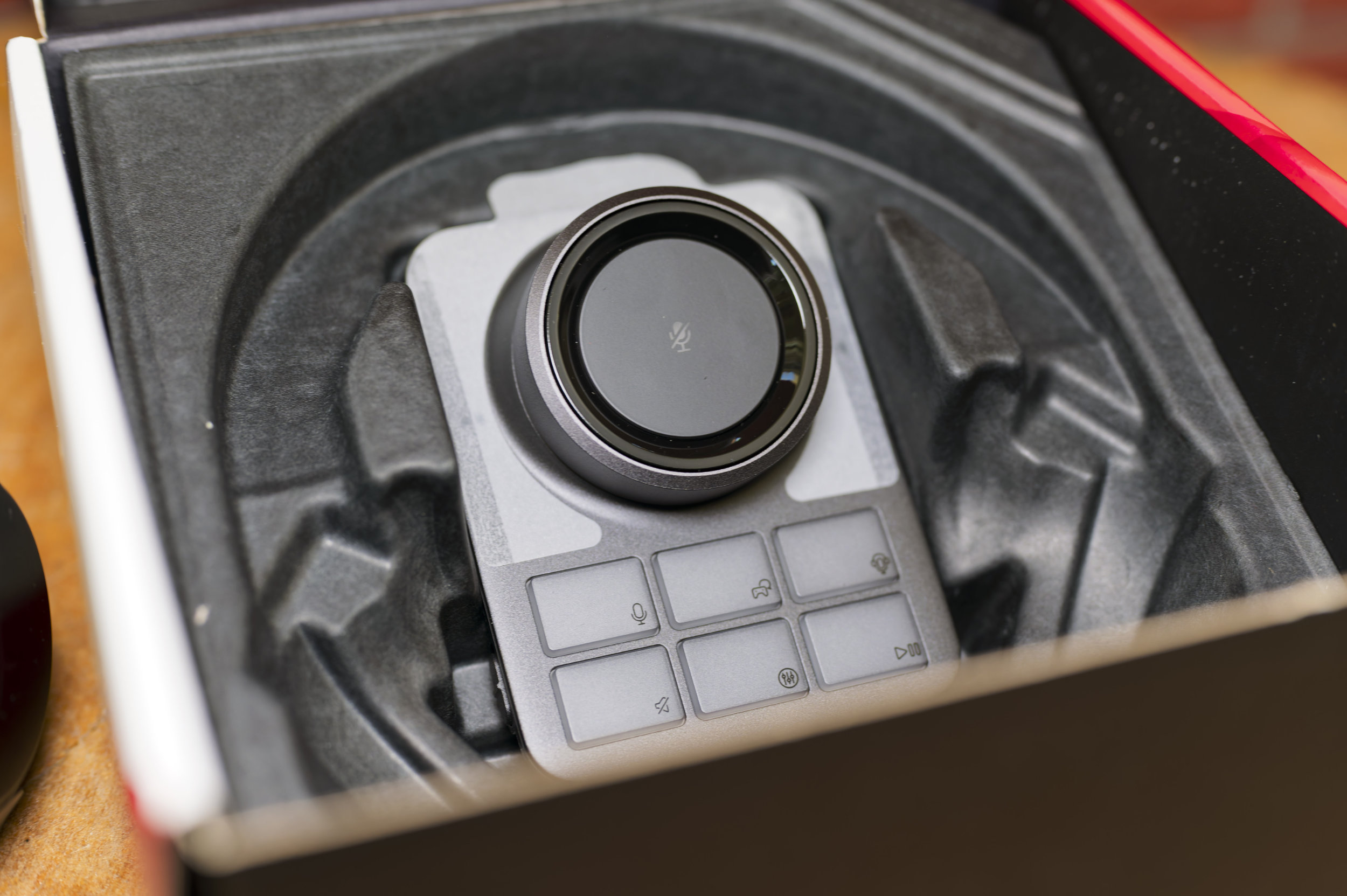
The Cloud Alpha 2 Wireless arrives in sturdy, gamer-focused packaging that clearly signals a premium product without going over the top. The box is relatively small, with the headset, base station, and cables arranged securely for transport. It feels like a product aimed at people who care more about what’s inside than about elaborate unboxing theater, but the presentation still matches the headset’s price and positioning
 HyperX Cloud Alpha2 Wireless Packaging 2 (Image © PCMasters.de)
 HyperX Cloud Alpha2 Wireless Packaging 3 (Image © PCMasters.de)
 HyperX Cloud Alpha2 Wireless Packaging 4 (Image © PCMasters.de)
Contents
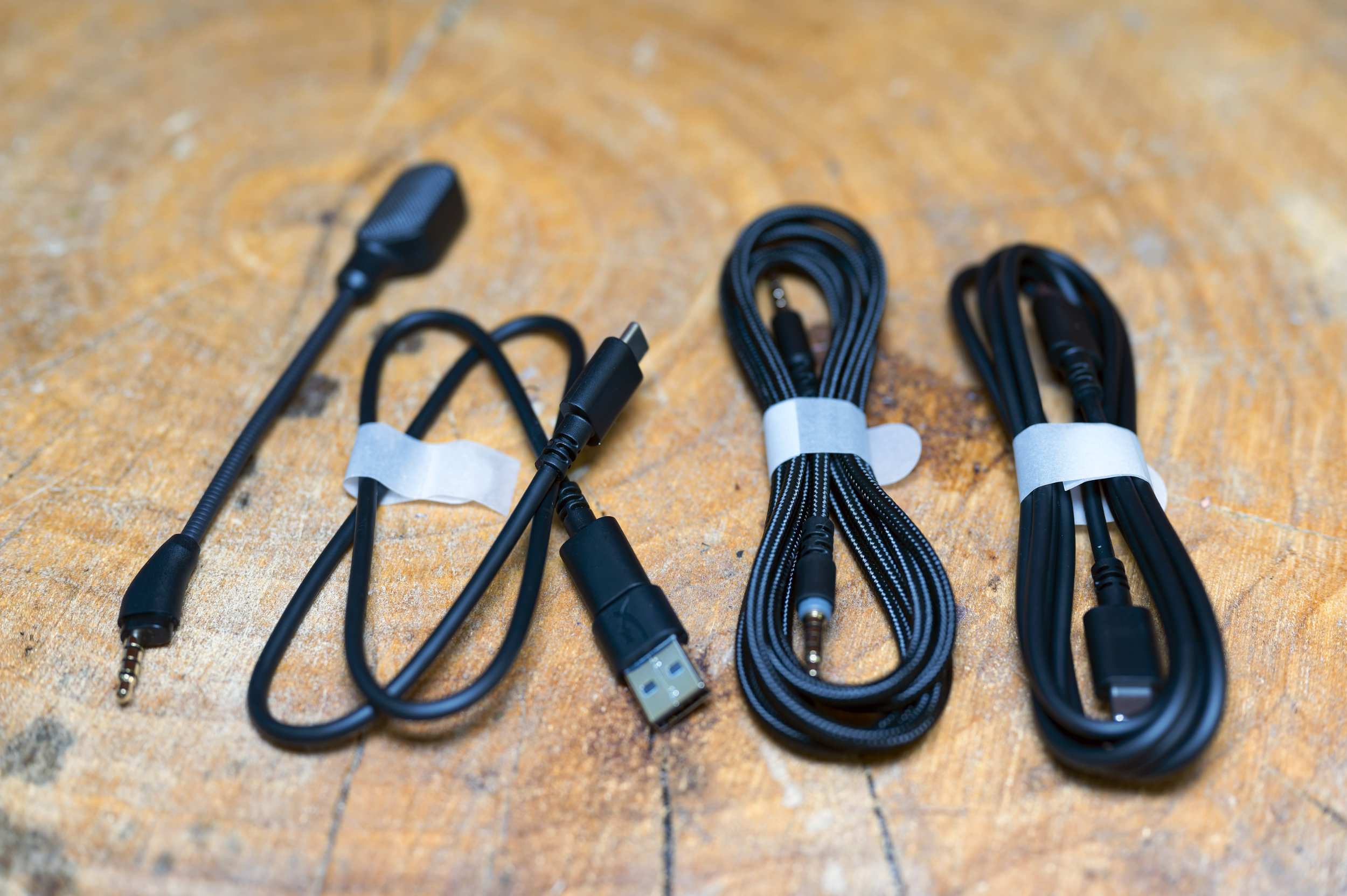
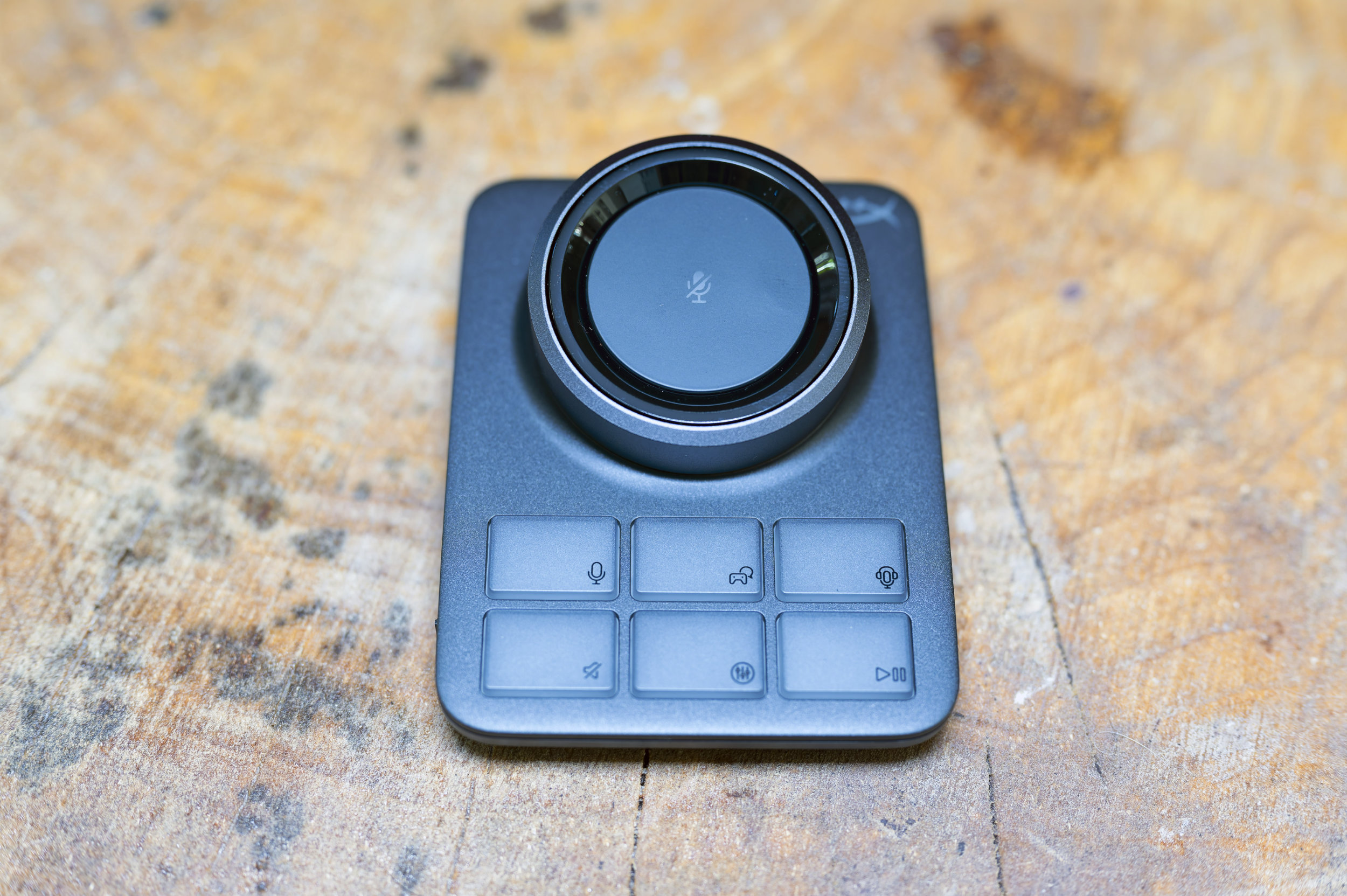
Inside, you get the headset itself, a detachable boom microphone, the RGB base station (which doubles as a wireless hub and control center), a USB-C to USB-A cable for the base, an additional USB-C to USB-A cable for direct PC connection, and a 3.5 mm audio cable for wired use. That covers all the main scenarios: PC, PlayStation, Switch, and even analog connections for Xbox controllers. The inclusion of the base station is the big differentiator here—it’s not just a charger, but a central node for audio routing and quick adjustments.
 HyperX Cloud Alpha2 Wireless Packaging 5 (Image © PCMasters.de)
 HyperX Cloud Alpha2 Wireless Documents 1 (Image © PCMasters.de)
Documents
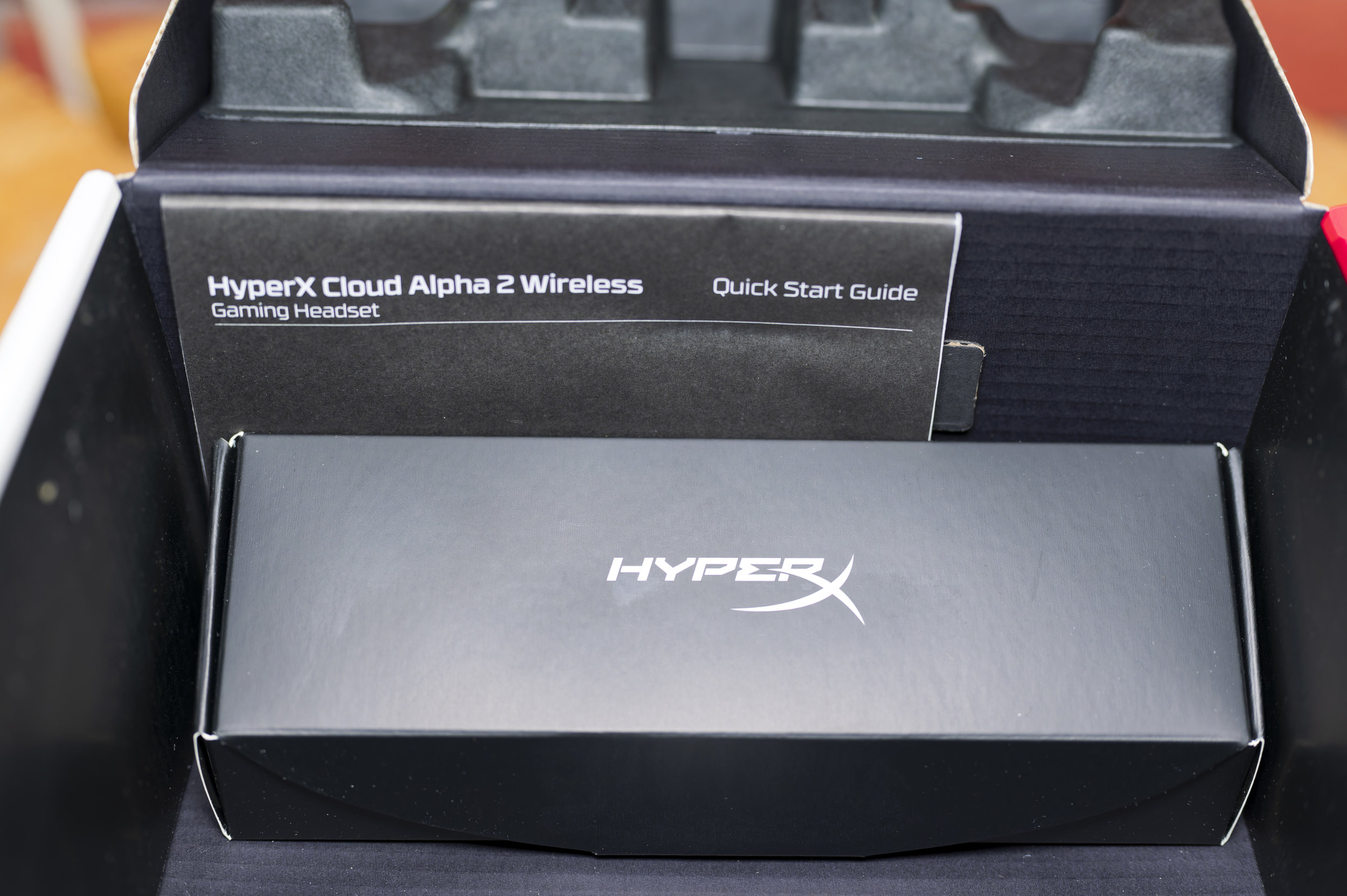
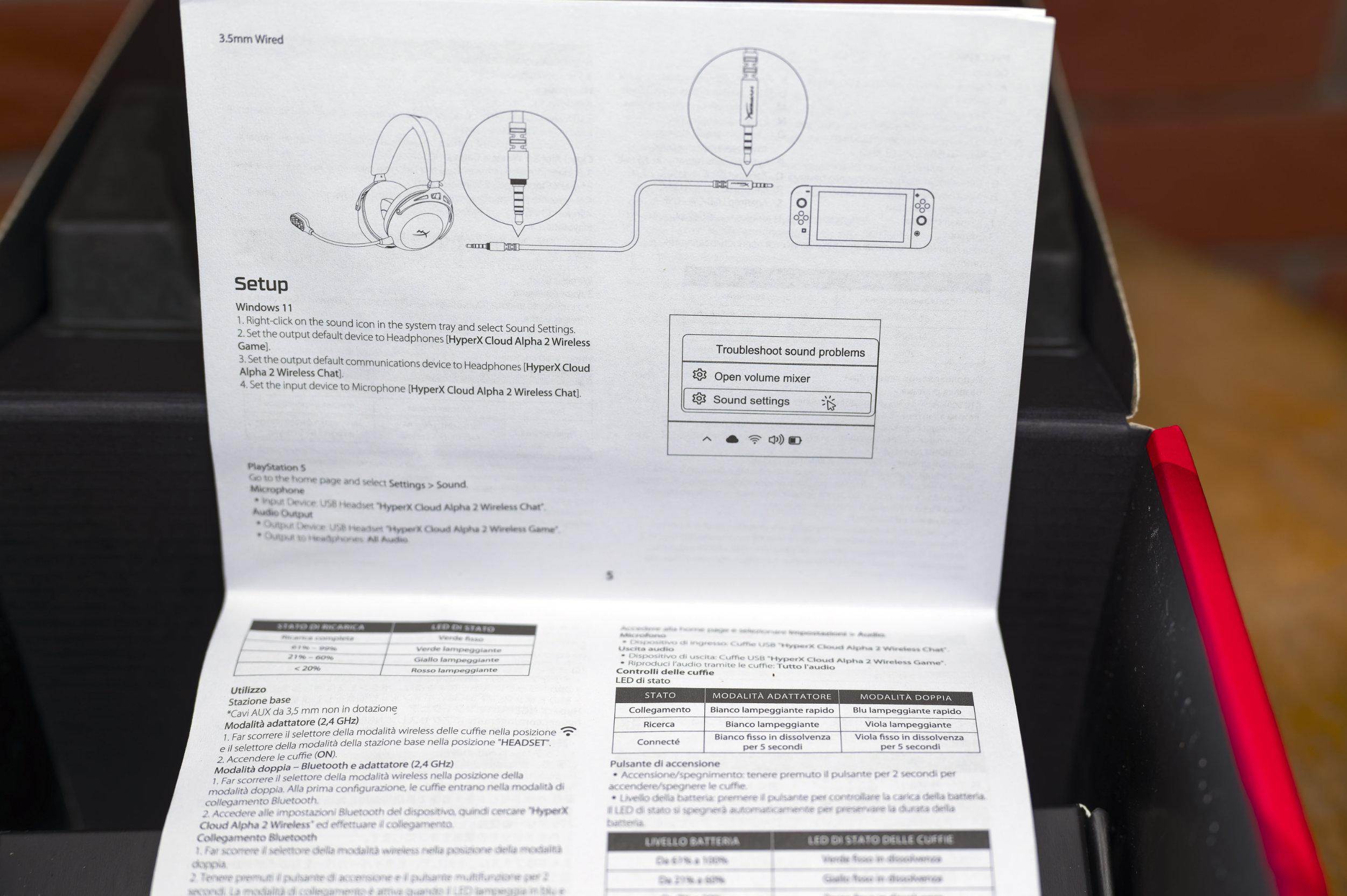
As with many modern gaming headsets, there’s minimal paper documentation in the box. HyperX assumes most users will rely on the NGENUITY software and online resources for setup and advanced settings. This keeps the packaging lean, but it does mean you’ll want to be comfortable installing software to unlock the full feature set
 HyperX Cloud Alpha2 Wireless Documents 2 (Image © PCMasters.de)
 HyperX Cloud Alpha2 Wireless Tech Data 1 (Image © PCMasters.de)
Technical data
| HyperX Cloud Alpha 2 Wireless - Technical data | |
|---|---|
| Type | Wireless closed-back gaming headset |
| Drivers | 53 mm multi-layer dual-chamber drivers |
| Connection | 2.4 GHz Wireless / Bluetooth / USB Wired / 3.5 mm |
| Microphone | Detachable 10 mm boom microphone |
| Battery life | Up to 250 hours (2.4GHz only) / 125 hours (dual connection) |
| Weight | 345 g |
| Noise cancelling | AI Noise Reduction (mic only), no ANC |
| Virtual Surround Encoding | Spatial Audio by HyperX NGENUITY |
| MSRP | 299.99 EUR |
| Compatibility | PC, PS5, PS4, Nintendo Switch, Mac, Mobile, Xbox (3.5mm only) |
The spec sheet shows a clear focus on endurance, flexibility, and gaming performance rather than chasing audiophile-grade frequency ranges. The 53 mm dual-chamber drivers are tuned to separate bass from mids/highs for cleaner positional cues, which is exactly what competitive players want. The huge battery and dual-wireless capability make it unusually practical for mixed-use setups where you game on one device and take calls or listen to music on another.
 HyperX Cloud Alpha2 Wireless Material Quality 1 (Image © PCMasters.de)
Material quality and design
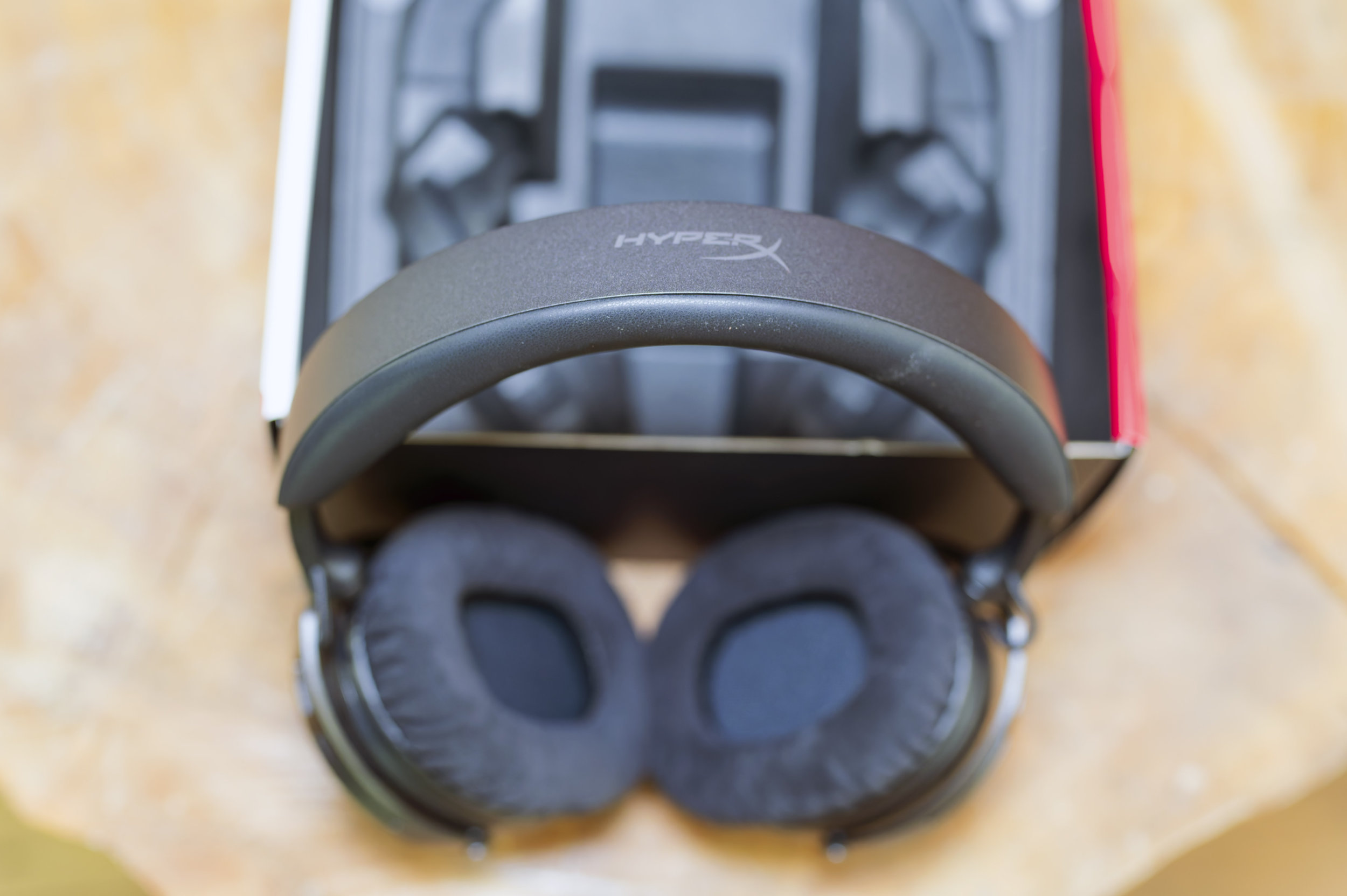
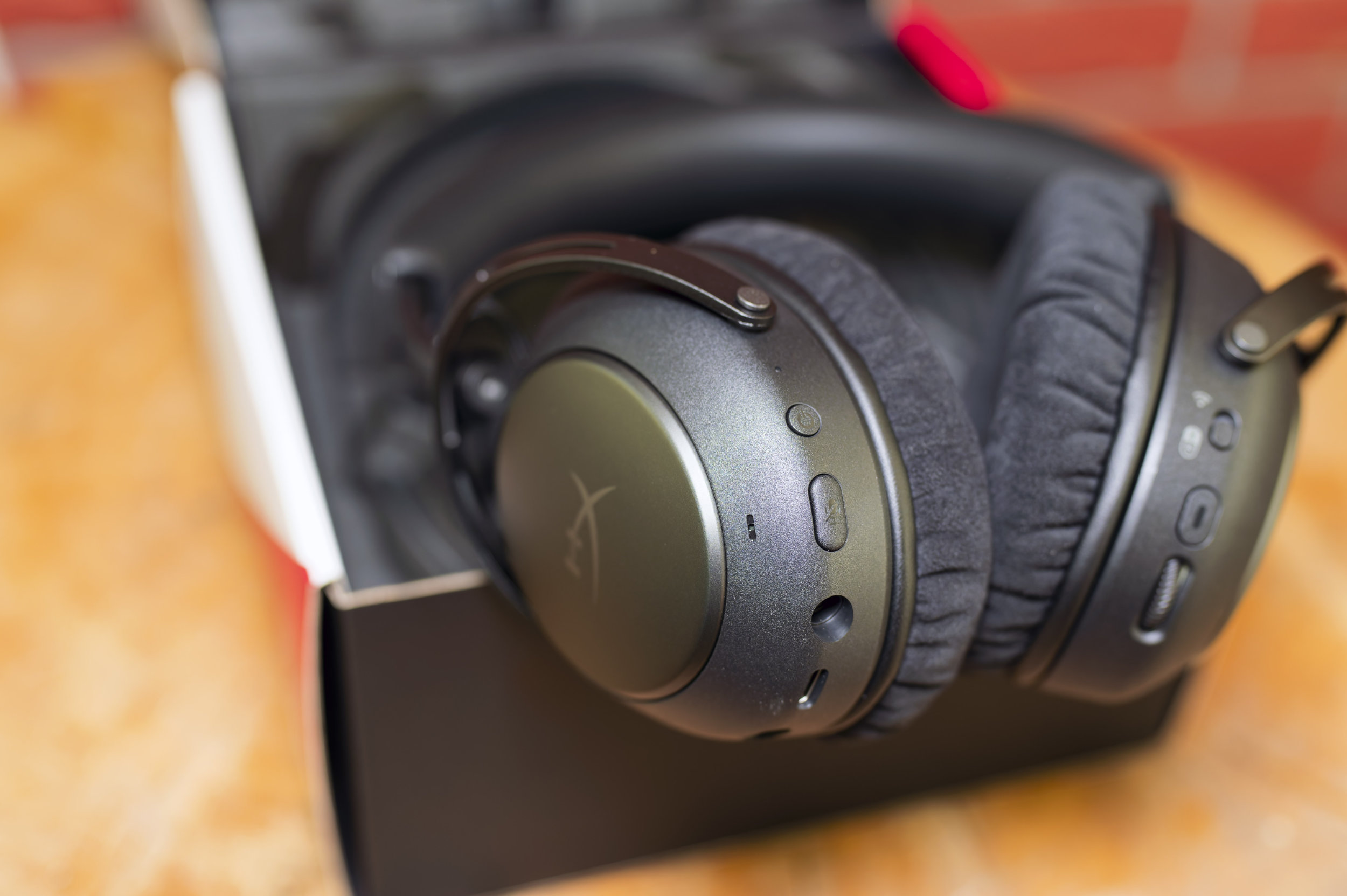
HyperX Cloud Alpha 2 Wireless has a steel headband, aluminum forks, and a solid, no-nonsense look that feels built to last. The headset looks like serious gaming hardware, with the base station providing most of the visual flair via its programmable lighting. Build quality is a strong point; the frame feels sturdy, the hinges are tight, and the overall construction suggests it will handle years of daily use. It’s not the lightest headset on the market, but the weight is distributed well enough that it doesn’t feel cumbersome during long sessions
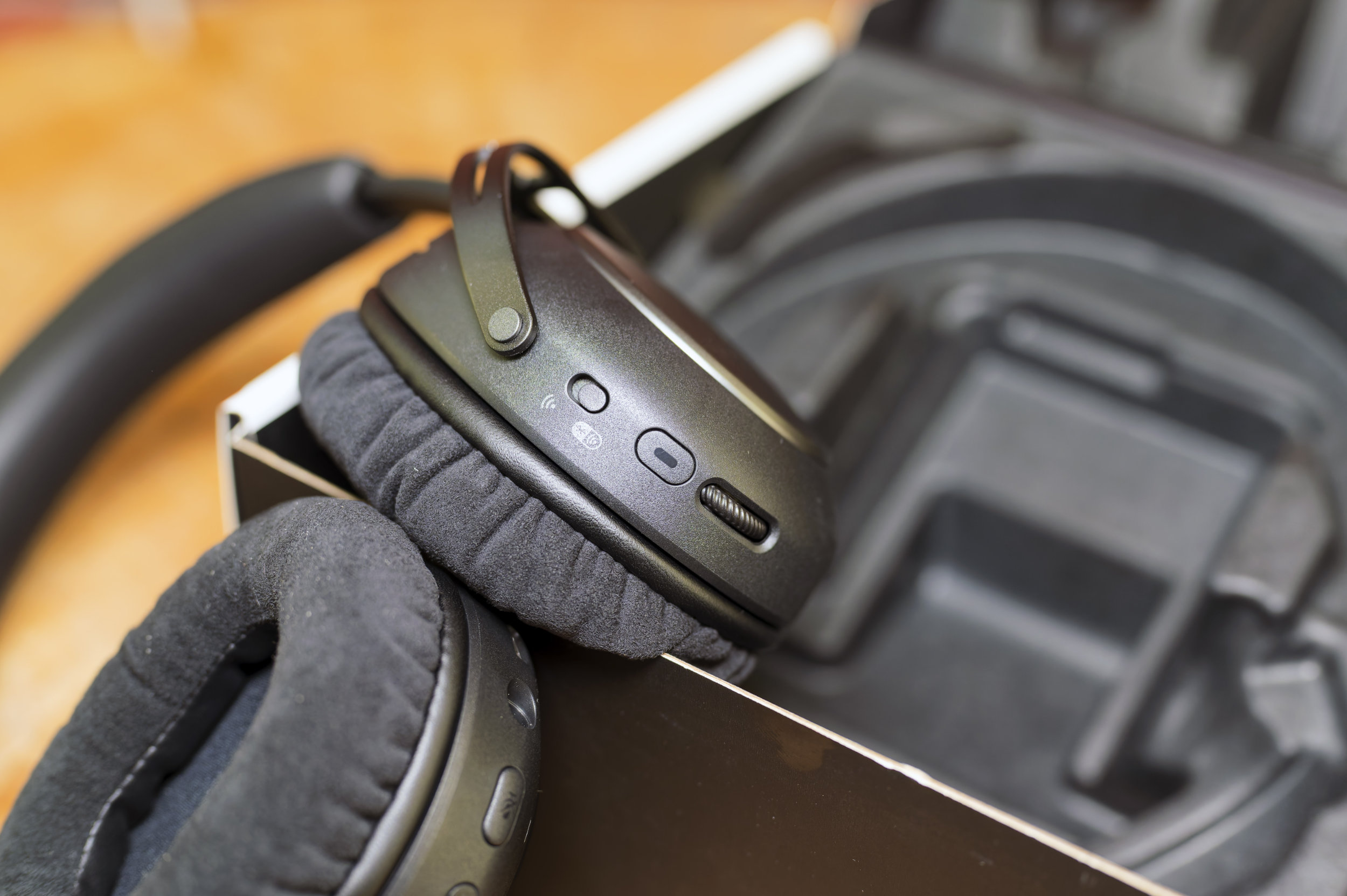 HyperX Cloud Alpha2 Wireless Controls 1 (Image © PCMasters.de)
Controls
The control scheme is split between the headset and the base station, which together offer a surprisingly deep level of on-the-fly adjustment. On the headset itself, you get a power button, volume controls, a multi-function button, and a mic mute switch with an LED indicator.
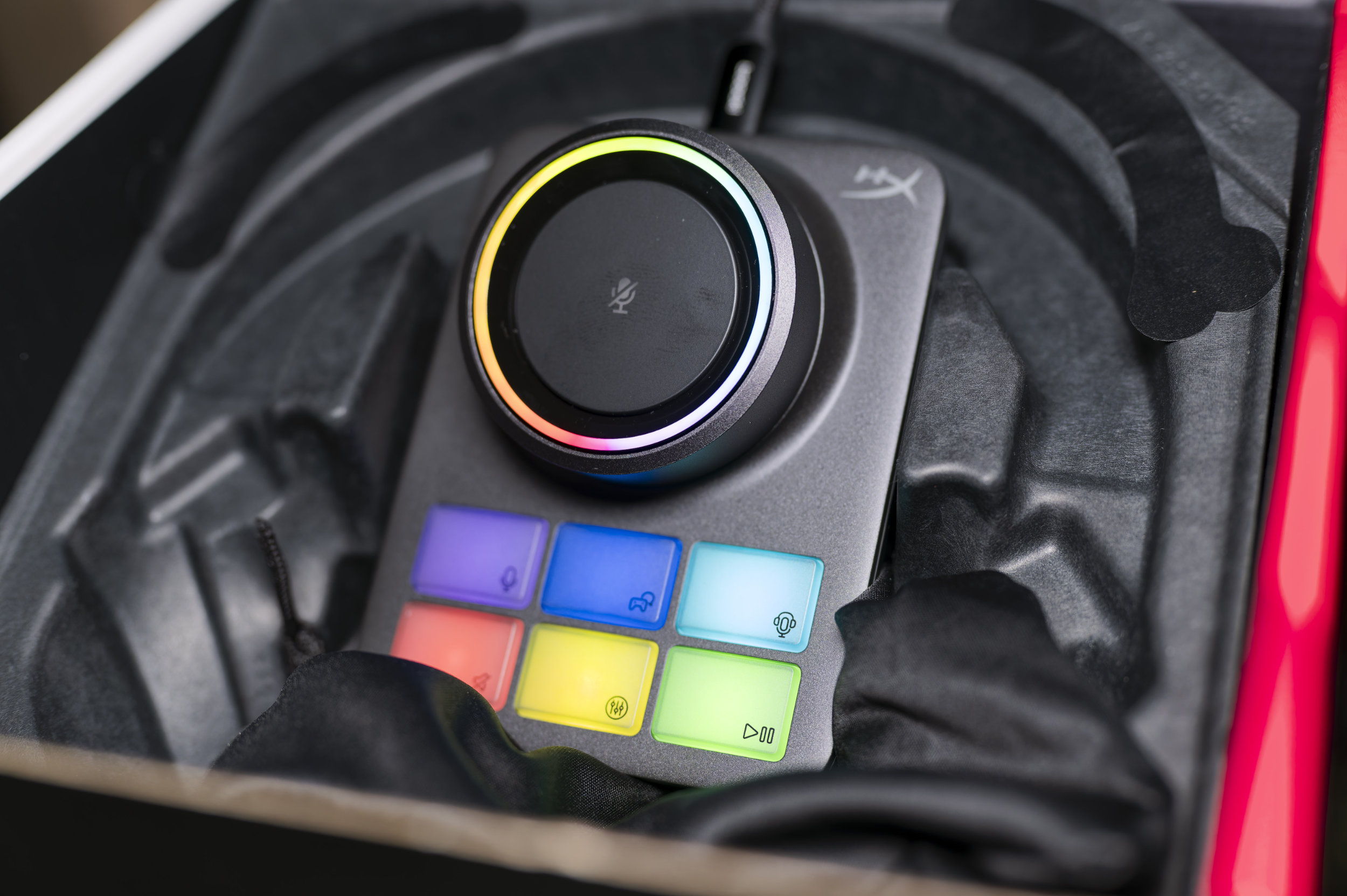 HyperX Cloud Alpha2 Wireless ControlPad 2 (Image © PCMasters.de)
The base station adds dedicated buttons and a volume wheel, plus programmable RGB and quick access to features like sidetone and wireless mode switching. This layout works especially well in multiplayer sessions, where you want to tweak audio or mute without diving into software menus. The physical controls are easy to learn quickly and placed where your fingers naturally land during gameplay.
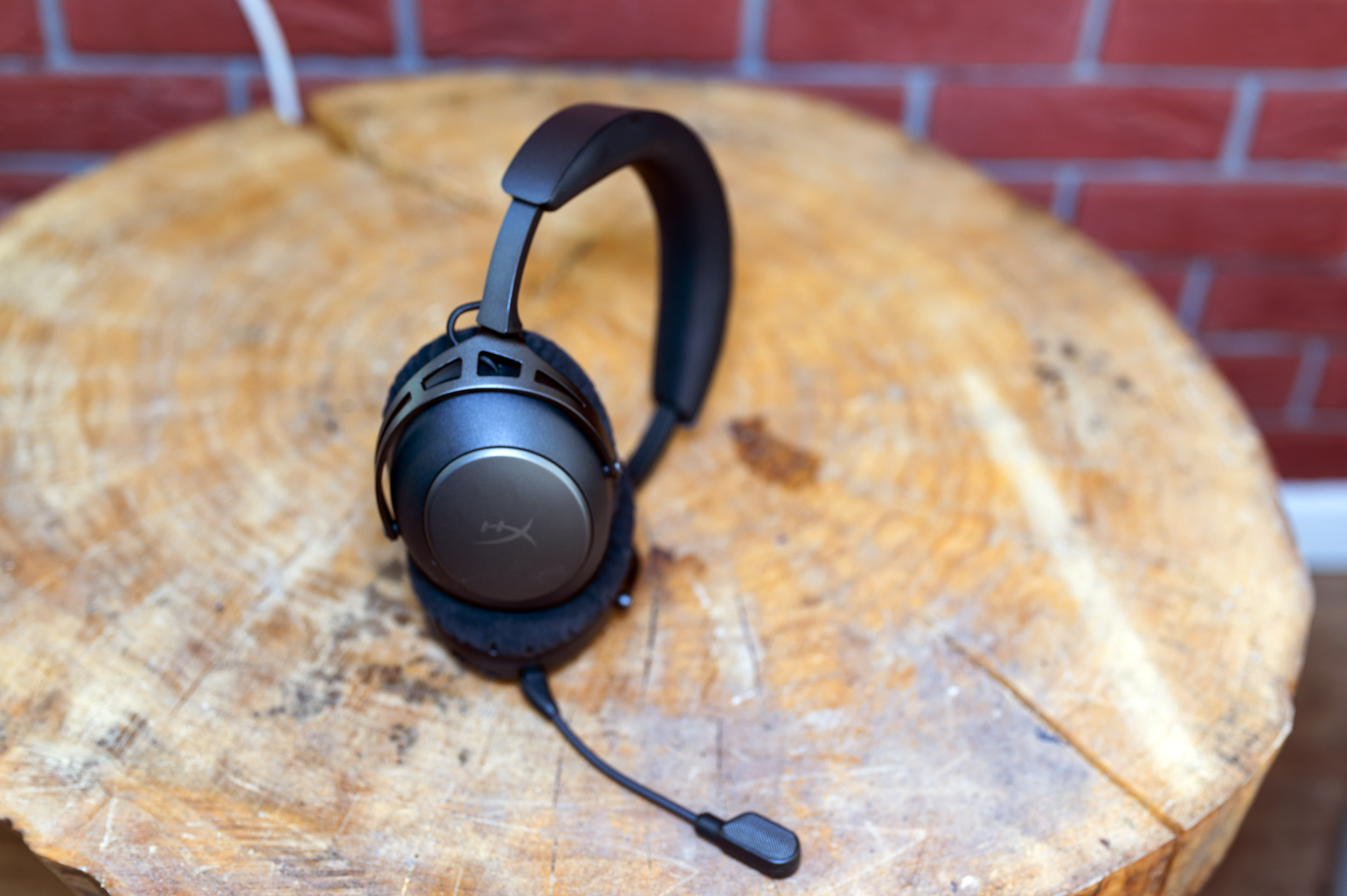 HyperX Cloud Alpha2 Wireless Overall View 2 (Image © PCMasters.de)
Wearing comfort
Comfort is one of the Cloud line’s traditional strengths, and the Alpha 2 Wireless continues that with soft, breathable microfiber ear pads and a well-padded headband. The clamping force is moderate—secure enough for stability, but gentle enough for multi-hour sessions. The earcups are spacious, accommodating larger ears without pressing too hard, and the padding does a decent job of isolating outside noise even without ANC. For glasses wearers, the fit remains generally comfortable, though some users may notice slight pressure over very long periods. Overall, it’s a headset you can leave on for extended grinds without constant readjustment.
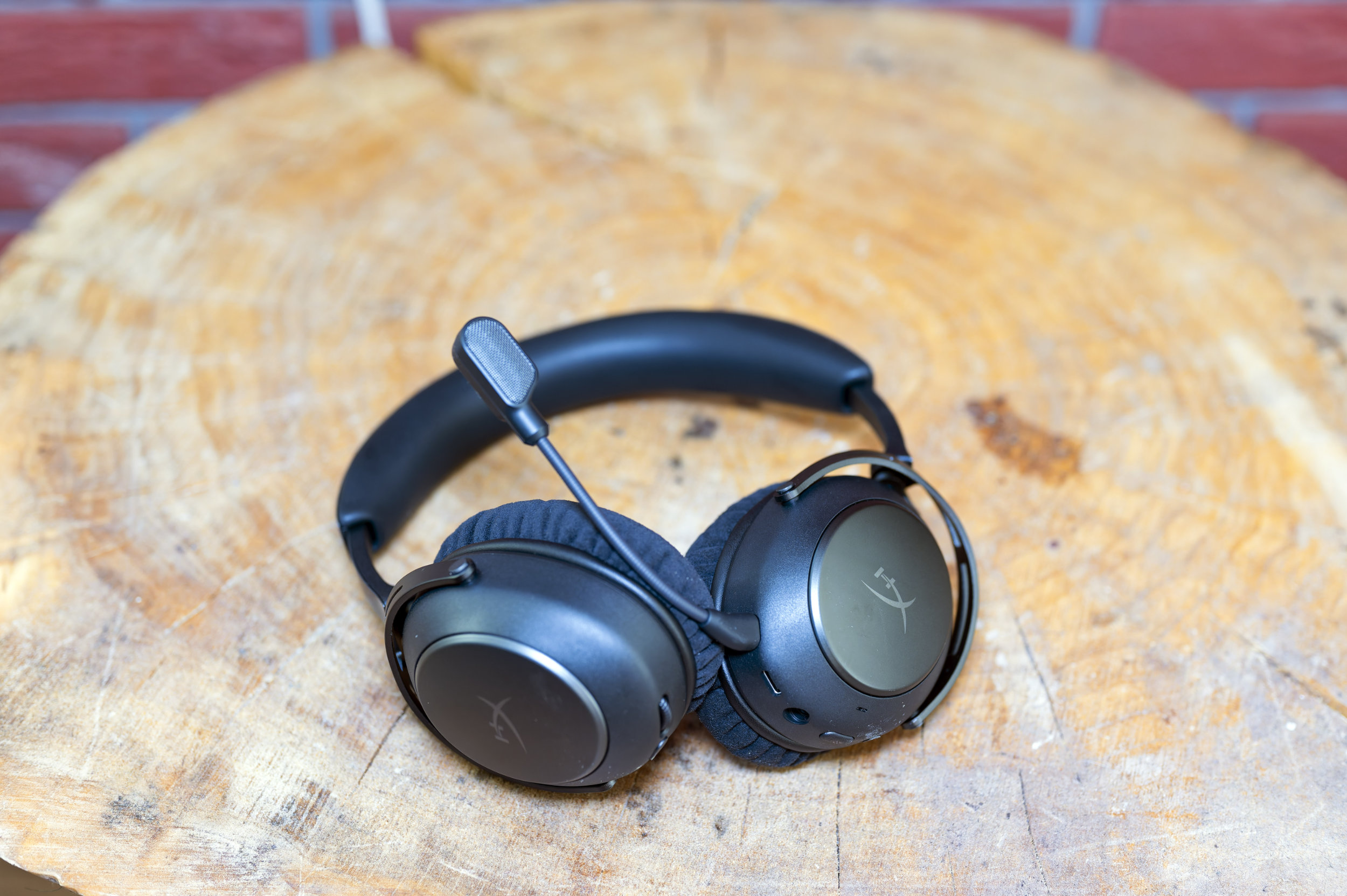 HyperX Cloud Alpha2 Wireless Overall View 3 (Image © PCMasters.de)
Sound quality
Hearing impression
Overall, the Cloud Alpha 2 Wireless sounds like a headset that prioritizes the competitive gaming. The 53 mm dual-chamber drivers deliver a clean, well-separated image where footsteps, reloads, and directional cues stand out without being buried under bloated bass. It creates a lively, controlled presentation that works especially well in FPS/action titles, where timing and positioning matter more than absolute neutrality. Music playback is still very respectable, with strong bass presence and clear mids and highs, but the headset truly shines when handling complex in-game soundscapes. It’s not trying to be a flat-reference monitor; instead, it offers an engaging, modern tuning that favors clarity and tactical awareness.
Bass
Bass output is punchy and well-defined, giving explosions, engines, and low-end effects real impact without turning muddy. The dual-chamber design helps keep the low end tight and separated from the rest of the spectrum, so you get weight without losing detail. Bass fans will appreciate the presence, while competitive players should still hear midrange cues clearly over the low-end foundation.
Midrange
The midrange is clean. It’s also sufficiently forward, and that helps with voices, footsteps, and key in-game details. Dialogue stays intelligible even in busy scenes, and important audio cues don’t get lost in the mix. This is a major advantage in competitive titles, where hearing an enemy’s movement or ability can decide a round. The headset keeps the middle frequencies organized and practical rather than overcomplicating them.
Tweeter
Treble in this headset makes the sound lively and detailed, but it avoids becoming harsh in normal use. Small ambient effects, weapon sounds, and directional information are rendered with good precision, supporting the headset’s gaming focus.
ANC
The headset does not feature active noise cancellation. Instead, it relies on passive isolation from the closed-back design and plush ear pads to reduce ambient noise. For many home setups, this is sufficient to block out typical background hum from PCs, fans, or household noise. If you need true ANC for commuting or very noisy environments, you’ll have to look elsewhere, but for dedicated gaming spaces the passive isolation works well.
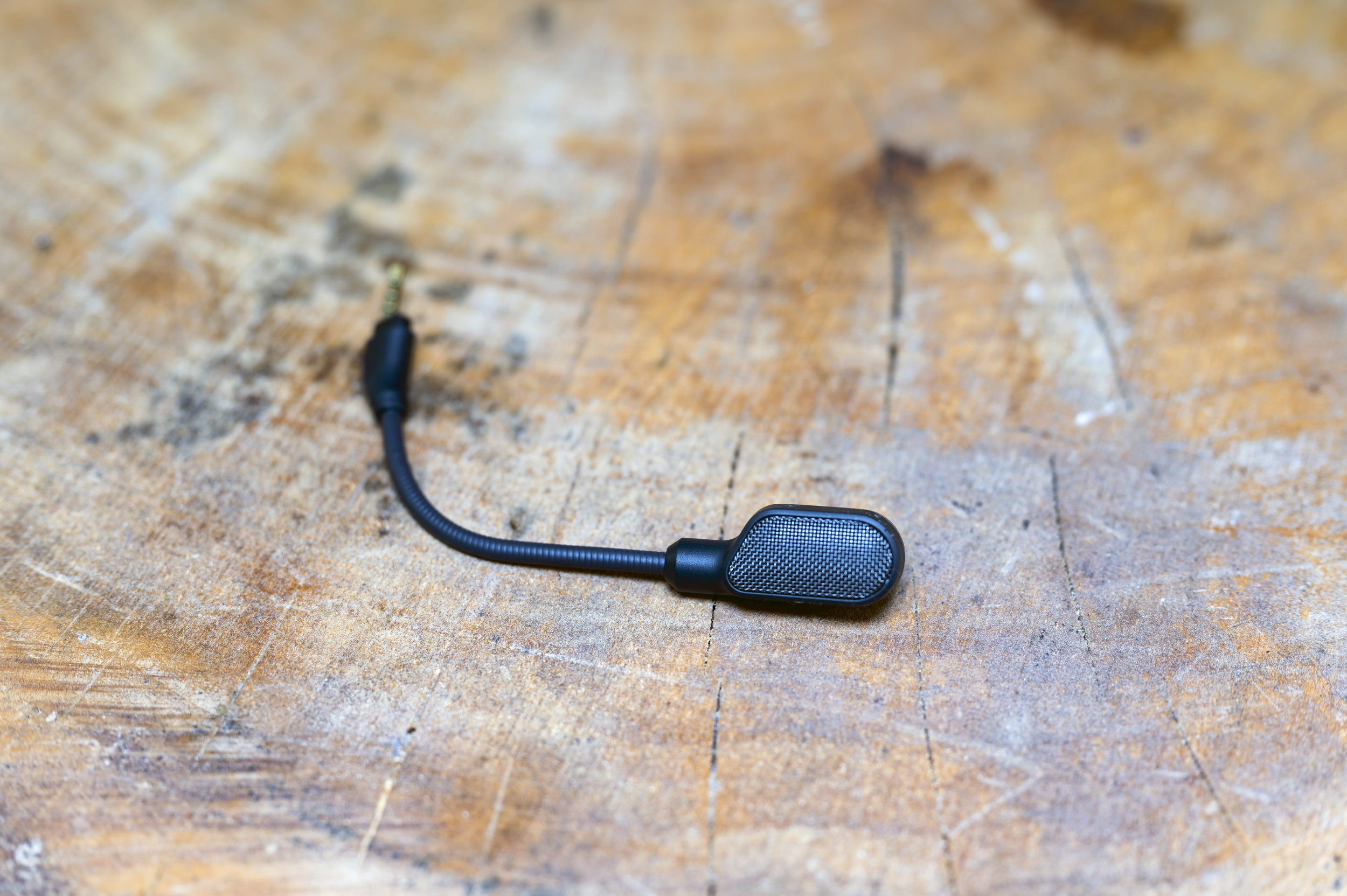 HyperX Cloud Alpha2 Wireless Microphone (Image © PCMasters.de)
Microphone
The microphone setup is versatile, with a detachable boom mic for serious comms and built-in earcup mics for quick mobile calls. The boom mic delivers clear, warm voice quality that’s more than adequate for team chat, Discord, and casual streaming. Speech remains intelligible without sounding overly compressed or harsh, and the AI noise reduction does a decent job of holding down background noise. It’s not quite at the level of a dedicated USB streaming mic, but it’s easily good enough to replace one for everyday use. The built-in mics are convenient for Bluetooth calls on the go, though they sound thinner and more muffled compared to the boom mic. One minor gripe is that sidetone can feel a bit quiet for some users, which may lead to talking louder than necessary in very isolated setups.
 HyperX Cloud Alpha2 Wireless Soft 1 (Image © PCMasters.de)
Software
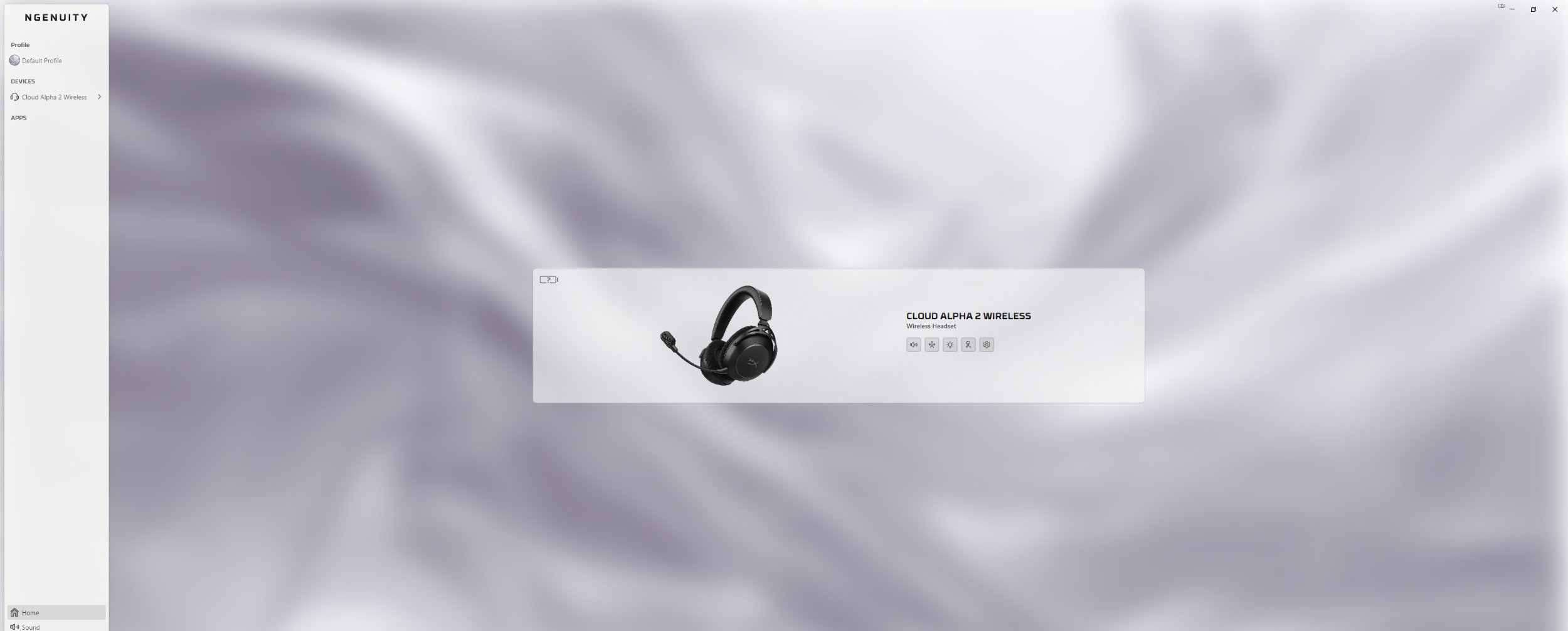
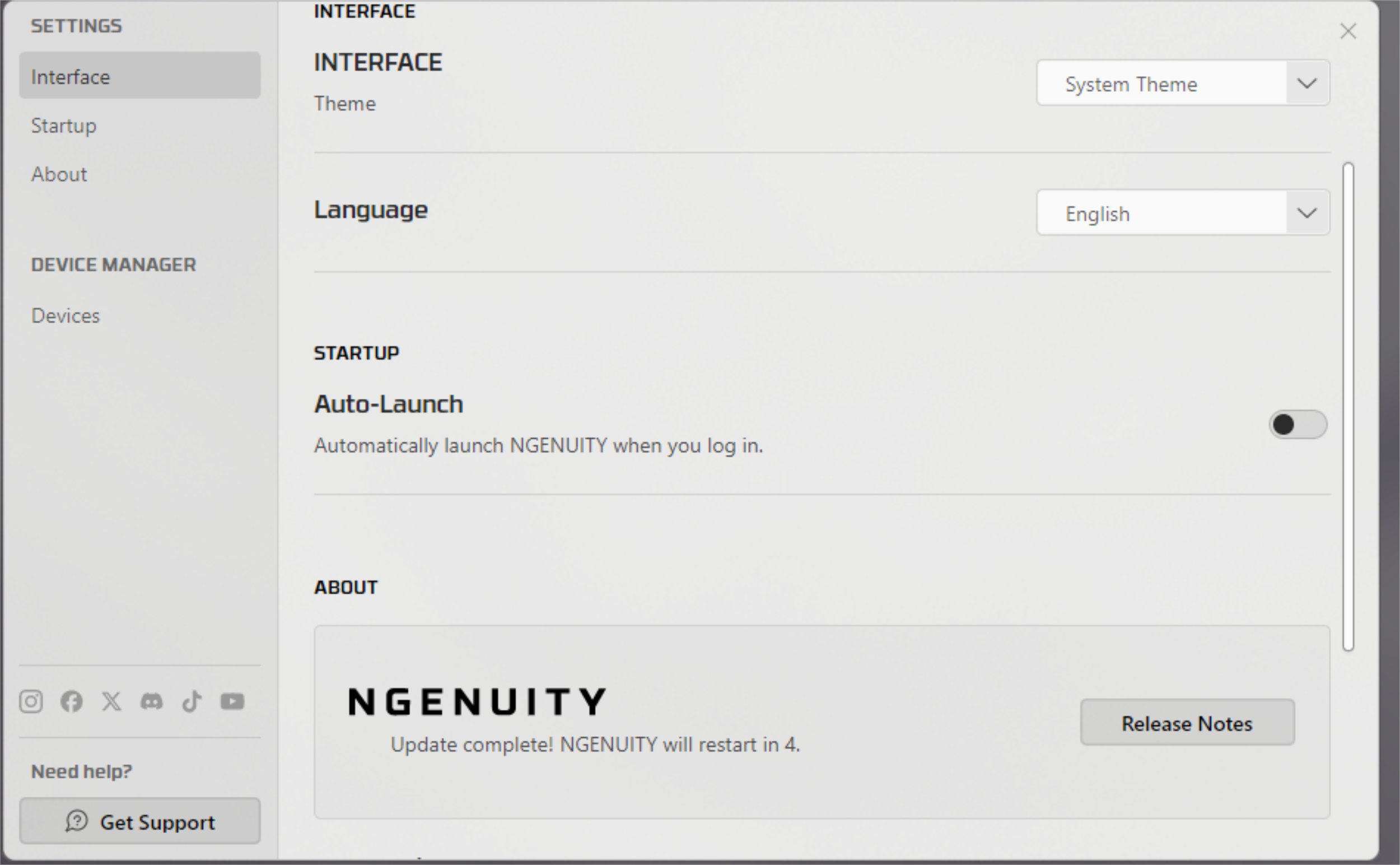
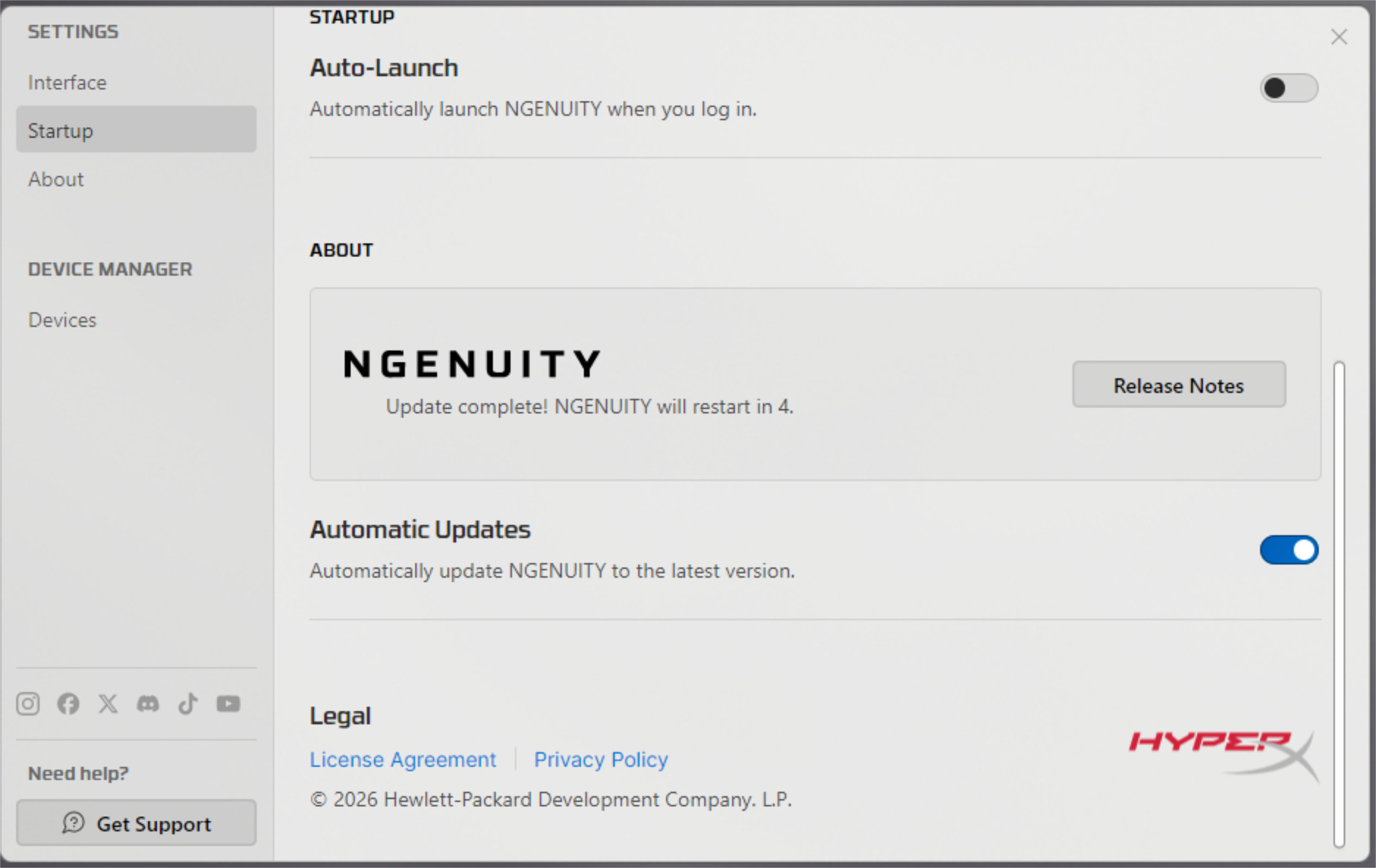
HyperX NGENUITY is central to unlocking the headset’s full potential, offering control over EQ, spatial audio, mic settings, and base station RGB. The software provides enough customization to tailor the sound to different games and use cases, from competitive shooters to single-player adventures. Once configured, the profiles stick, and you can switch between them quickly using the base station or headset controls. For those who like to fine-tune sound and manage multiple devices, the software support is a real plus.
 HyperX Cloud Alpha2 Wireless Soft 2 (Image © PCMasters.de)
 HyperX Cloud Alpha2 Wireless Soft 3 (Image © PCMasters.de)
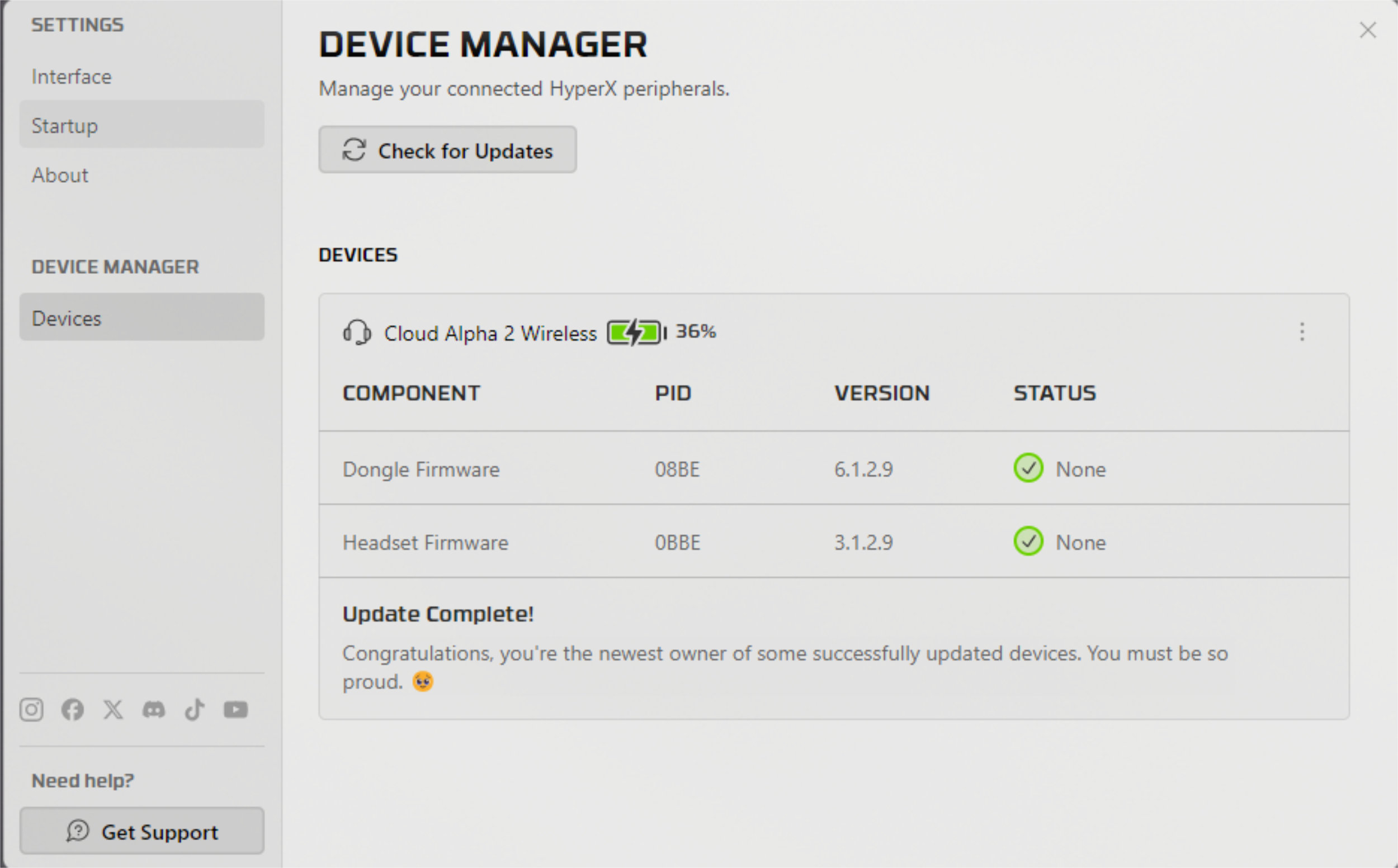 HyperX Cloud Alpha2 Wireless Soft 4 (Image © PCMasters.de)
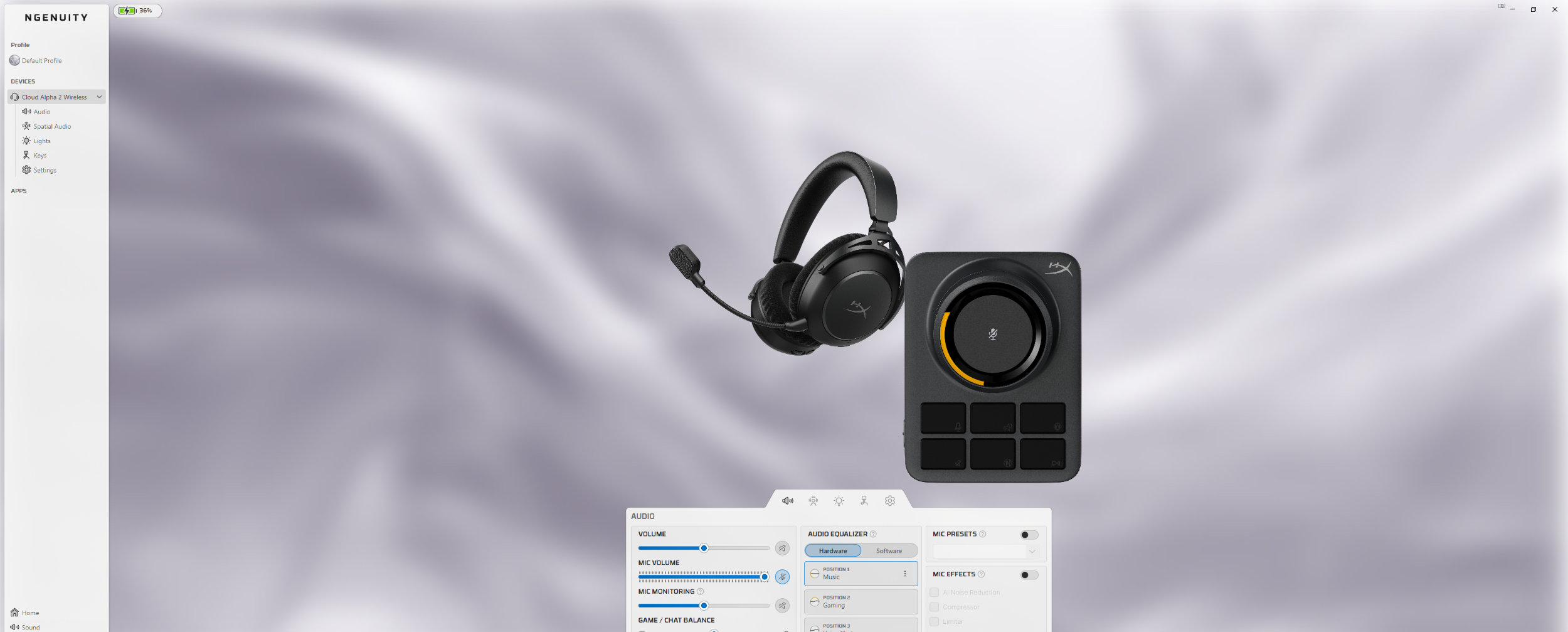 HyperX Cloud Alpha2 Wireless Soft 5 (Image © PCMasters.de)
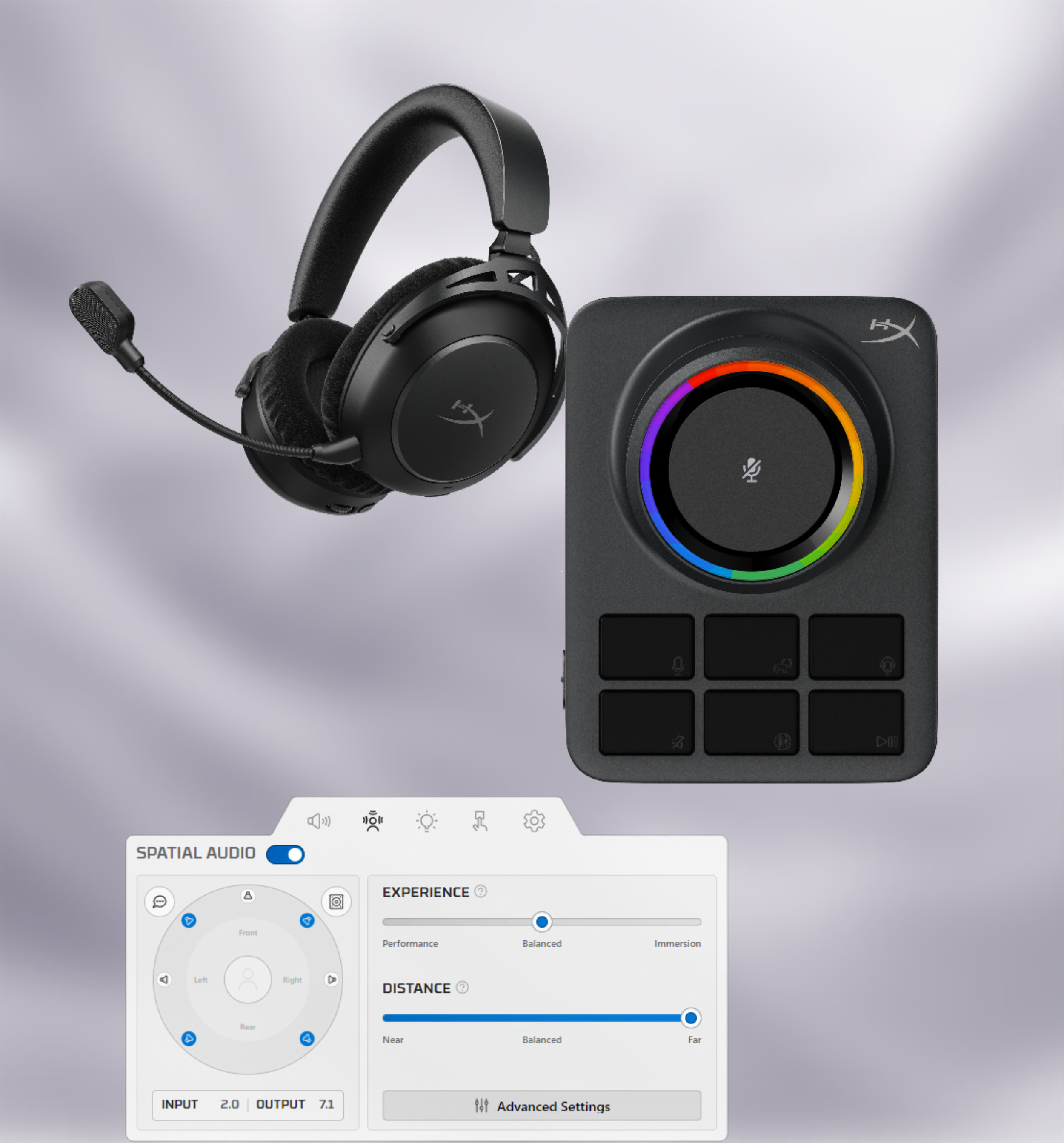 HyperX Cloud Alpha2 Wireless Soft 6 (Image © PCMasters.de)
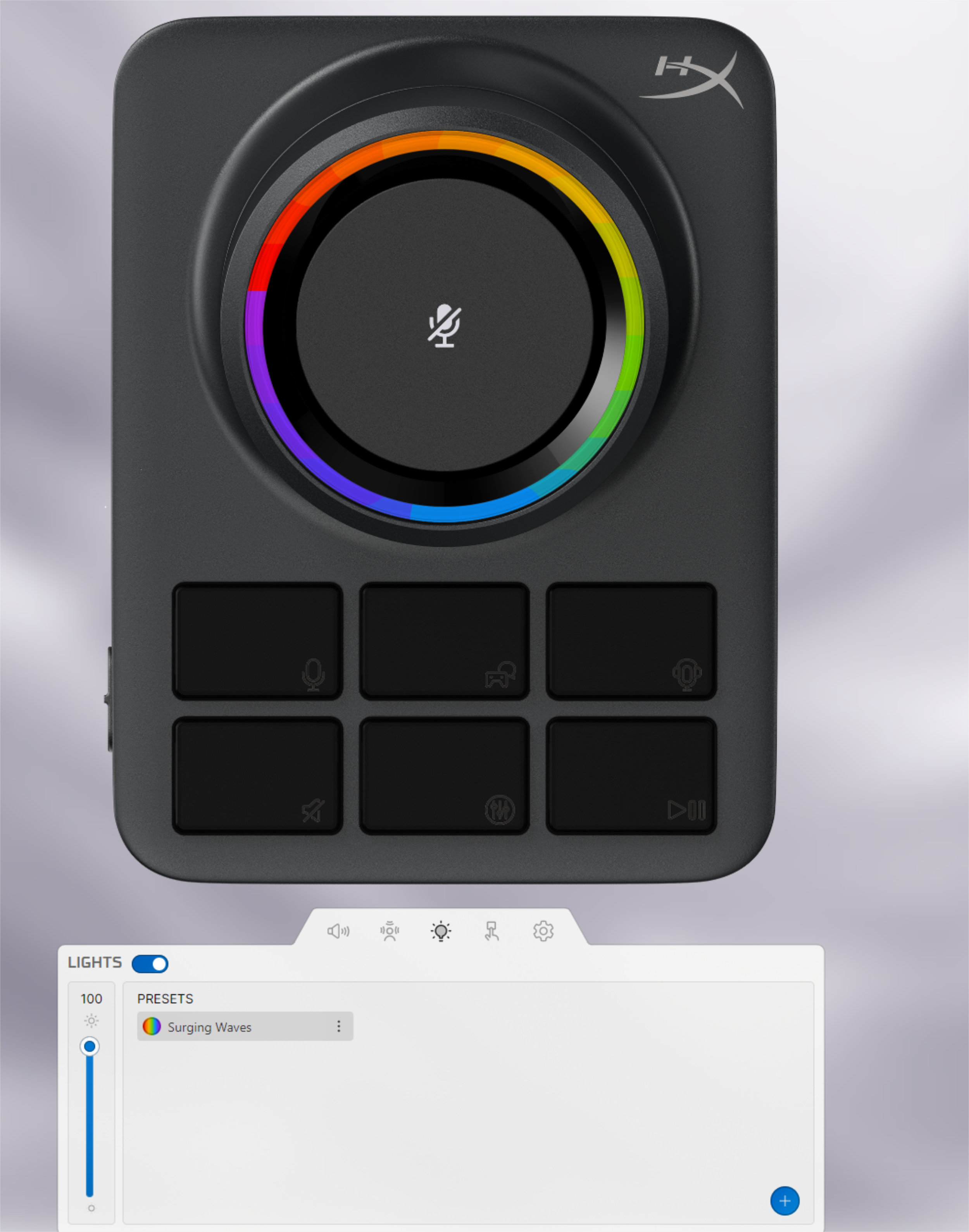 HyperX Cloud Alpha2 Wireless Soft 7 (Image © PCMasters.de)
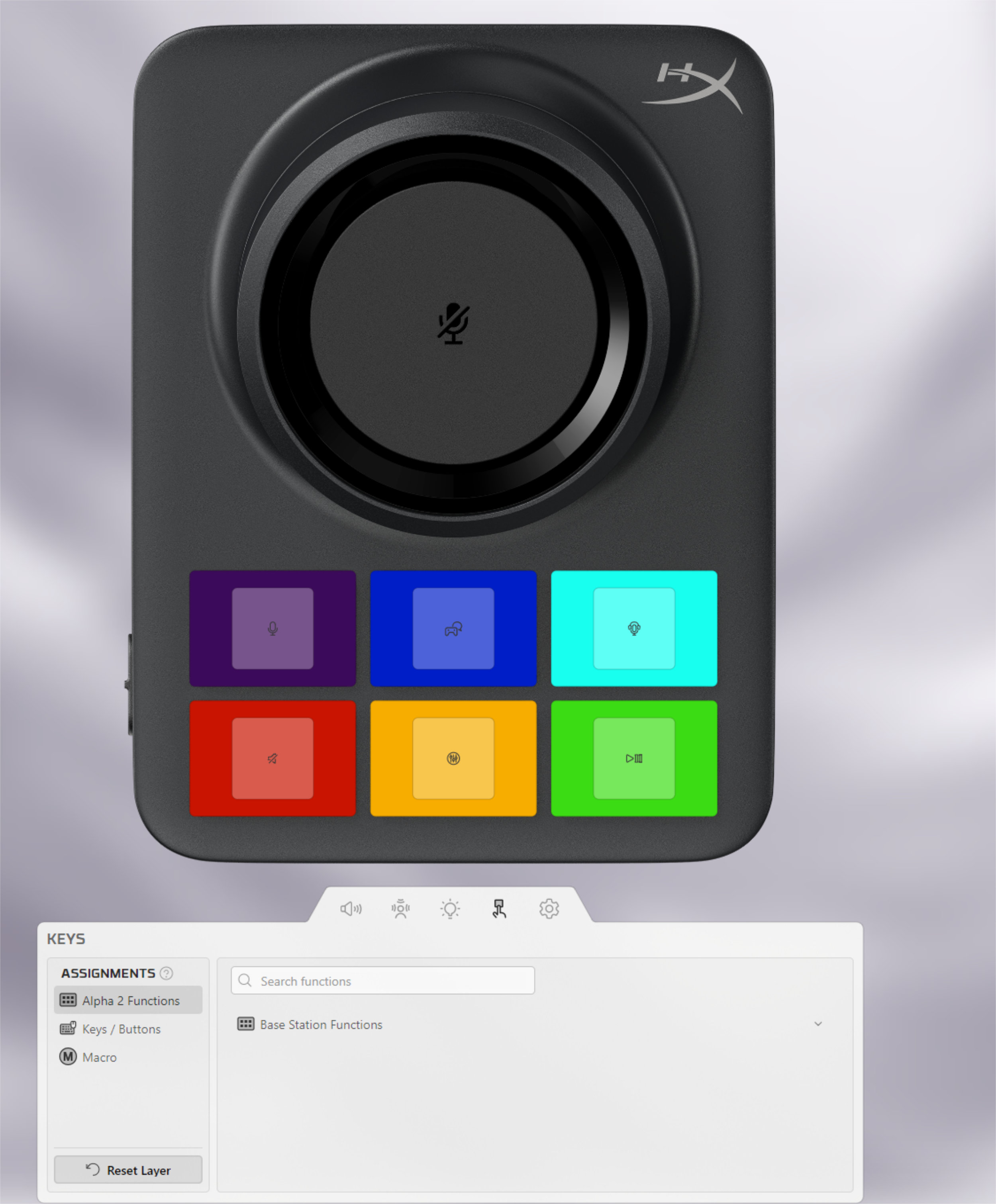 HyperX Cloud Alpha2 Wireless Soft 8 (Image © PCMasters.de)
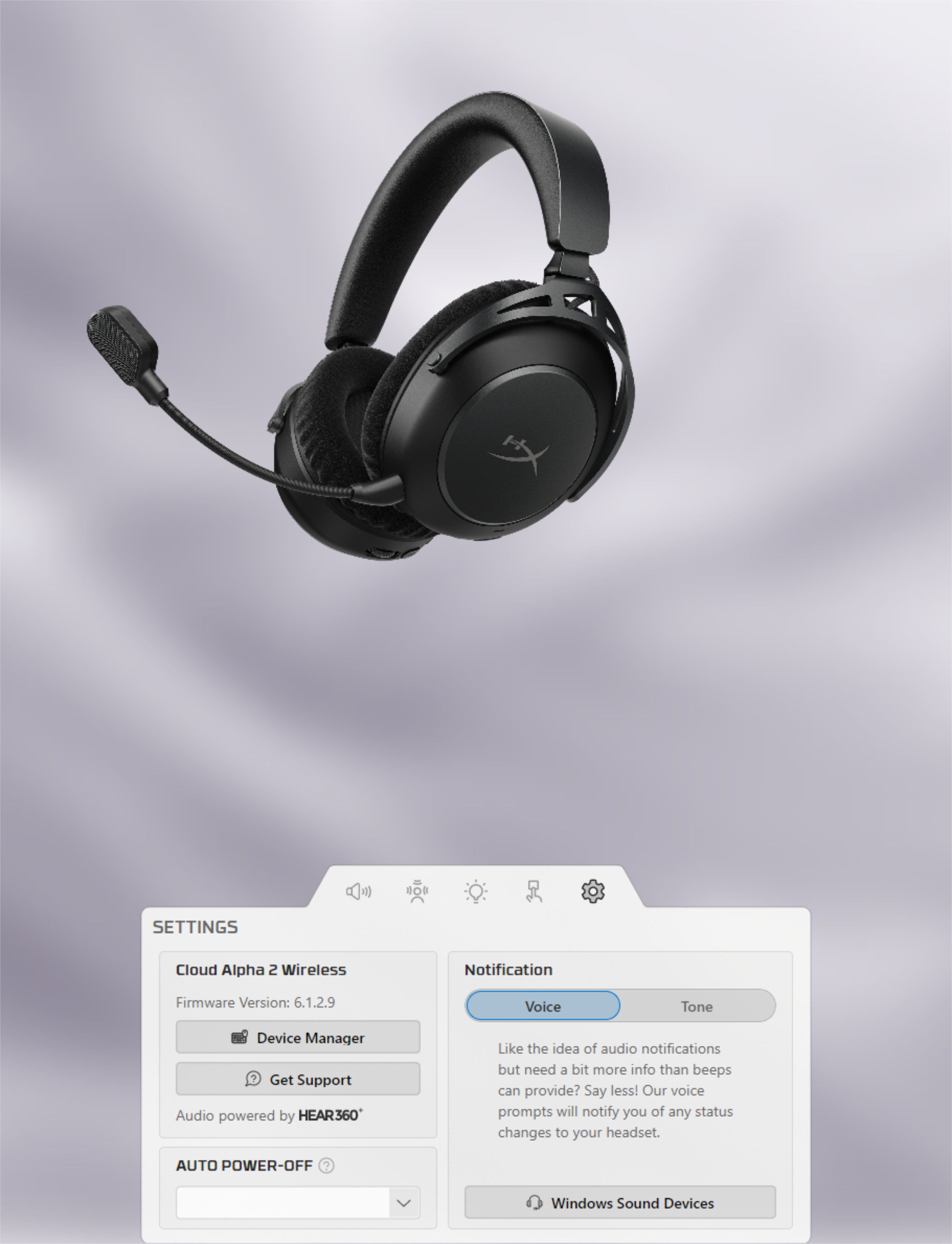 HyperX Cloud Alpha2 Wireless Soft 9 (Image © PCMasters.de)
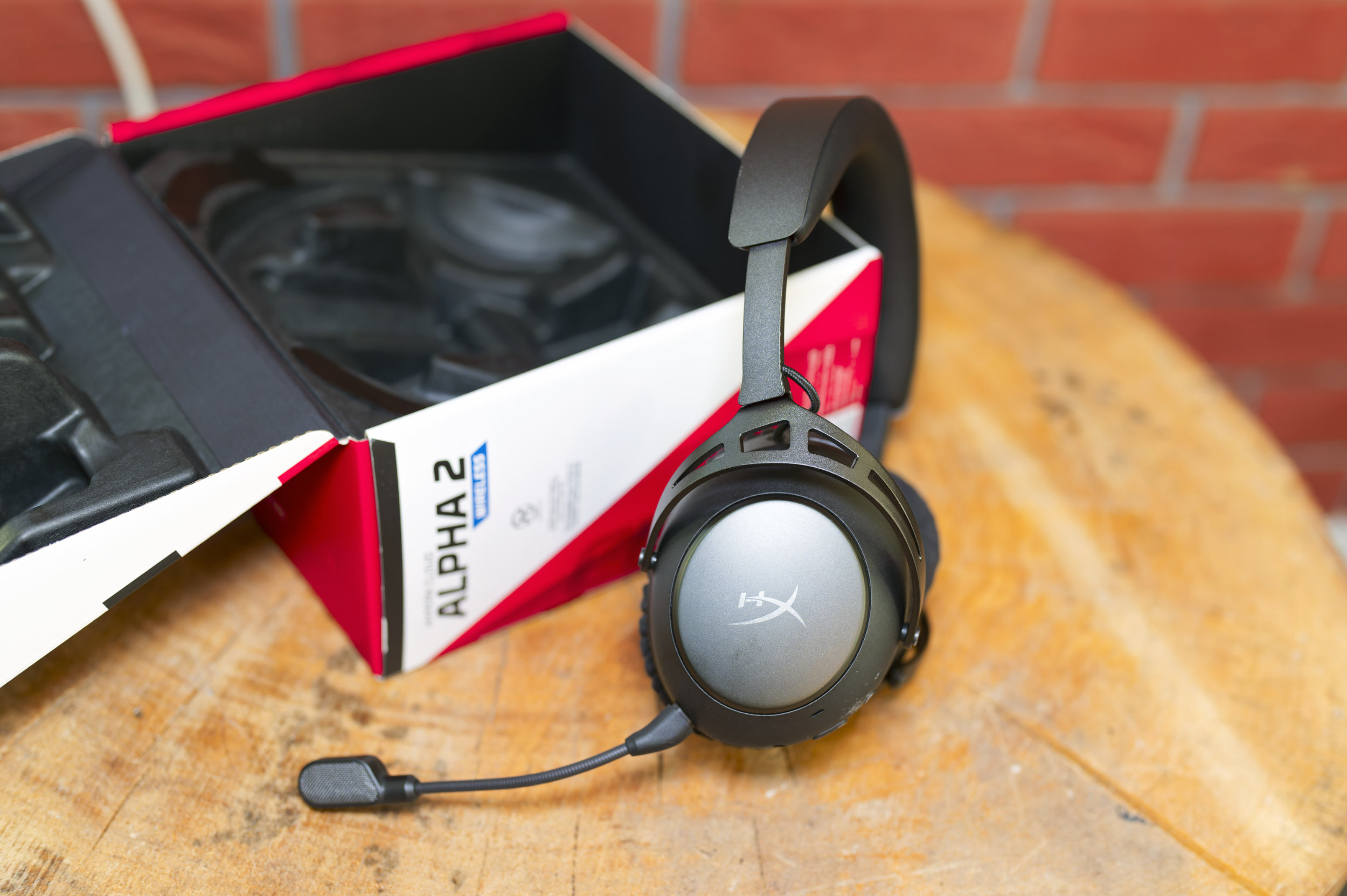 HyperX Cloud Alpha2 Wireless BatteryLife 1 (Image © PCMasters.de)
Battery Life
Battery life is the Cloud Alpha 2 Wireless’s headline feature, and in everyday use it lives up to the hype. HyperX rates it at up to 250 hours on a single charge in 2.4 GHz-only mode, and around 125 hours when using simultaneous 2.4 GHz and Bluetooth. Real-world testing suggests figures closer to 100–125 hours in mixed dual-wireless use, which is still far ahead of most competitors that top out around 40–70 hours. In practical terms, this is a headset you can charge once every few weeks even with heavy daily use, which removes a lot of the usual wireless anxiety. The trade-off is a longer full charge time (around six hours), but given the endurance, that’s a minor inconvenience
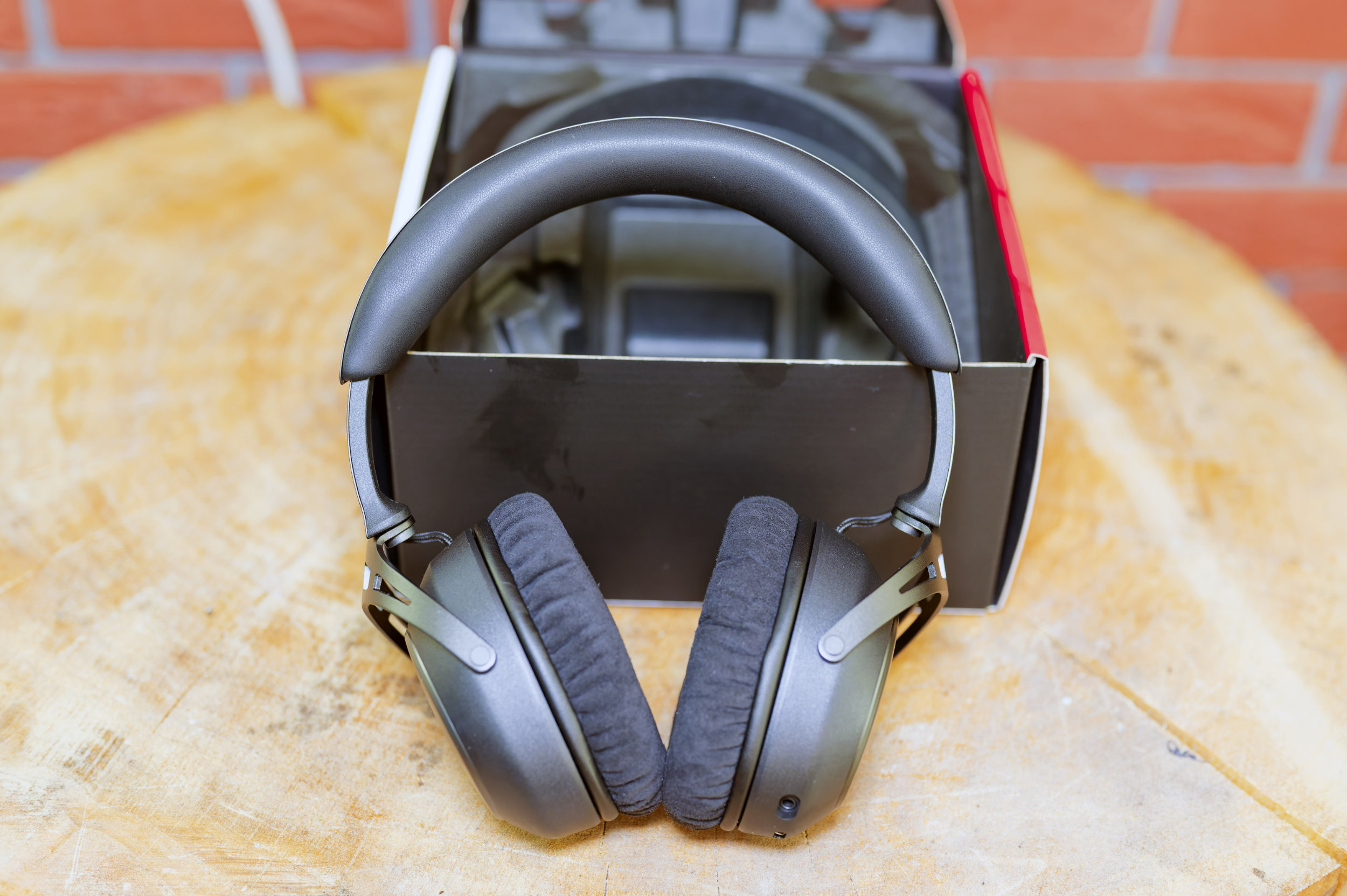 HyperX Cloud Alpha2 Wireless Hearing Impressions (Image © PCMasters.de)
Conclusion
The HyperX Cloud Alpha 2 Wireless is the kind of headset that quietly wins you over by doing the important things extremely well, rather than trying to impress with gimmicks. Its sound is tuned for competitive clarity and engaging impact, not sterile neutrality, which makes it feel right at home in fast-paced shooters and action titles where every footstep and reload matters. When you combine that with genuinely class-leading battery life, a smart base station, and a comfortable, durable build, you end up with a headset that feels like a long-term investment rather than a short-term upgrade.
What really sets this headset apart is how it balances performance and practicality. It’s easy to imagine using it as your main device for gaming, voice chat, and even casual music listening, without constantly worrying about charging or juggling multiple dongles. The dual-wireless mode, in particular, is a standout feature for anyone who likes to keep Discord or music running on a phone while gaming on PC or console. For players who spend hours at a time in front of a screen, the Cloud Alpha 2 Wireless offers a rare combination of endurance, comfort, and focused audio that few rivals can match.
Of course, it’s not perfect, and the compromises are visible if you look closely. There’s no ANC, the microphone is solid but not quite at the level of dedicated streaming mics, and the software, while powerful, isn’t as refined as some competing ecosystems. If your priorities lean heavily toward travel-friendly features, absolute sound neutrality, or the most polished software experience, you might find better options elsewhere. But for dedicated gamers who want a wireless headset that simply works, lasts forever on a charge, and sounds great in competitive scenarios, the Cloud Alpha 2 Wireless is one of the most convincing choices in its class.
Pro
- Excellent gaming-focused sound with strong positional performance
- Very good microphone quality with effective noise reduction
- Class-leading battery life (up to 250 hours) and useful dual-wireless mode
- Solid physical controls and a functional RGB base station
- Comfortable for long sessions with good passive isolation
Contra
- No active noise cancellation
- Microphone is good but not best-in-class for streaming or professional use
- Software is capable but not as polished as some competitors
- Battery life in dual-wireless mode is lower than the headline 250-hour figure
- Slightly heavier than some ultra-light rivals, which may matter for very long sessions.