
 Computer Forum
 UniFi Network 10 4 eBGP (Image © Ubiquiti)
Native Enterprise Routing
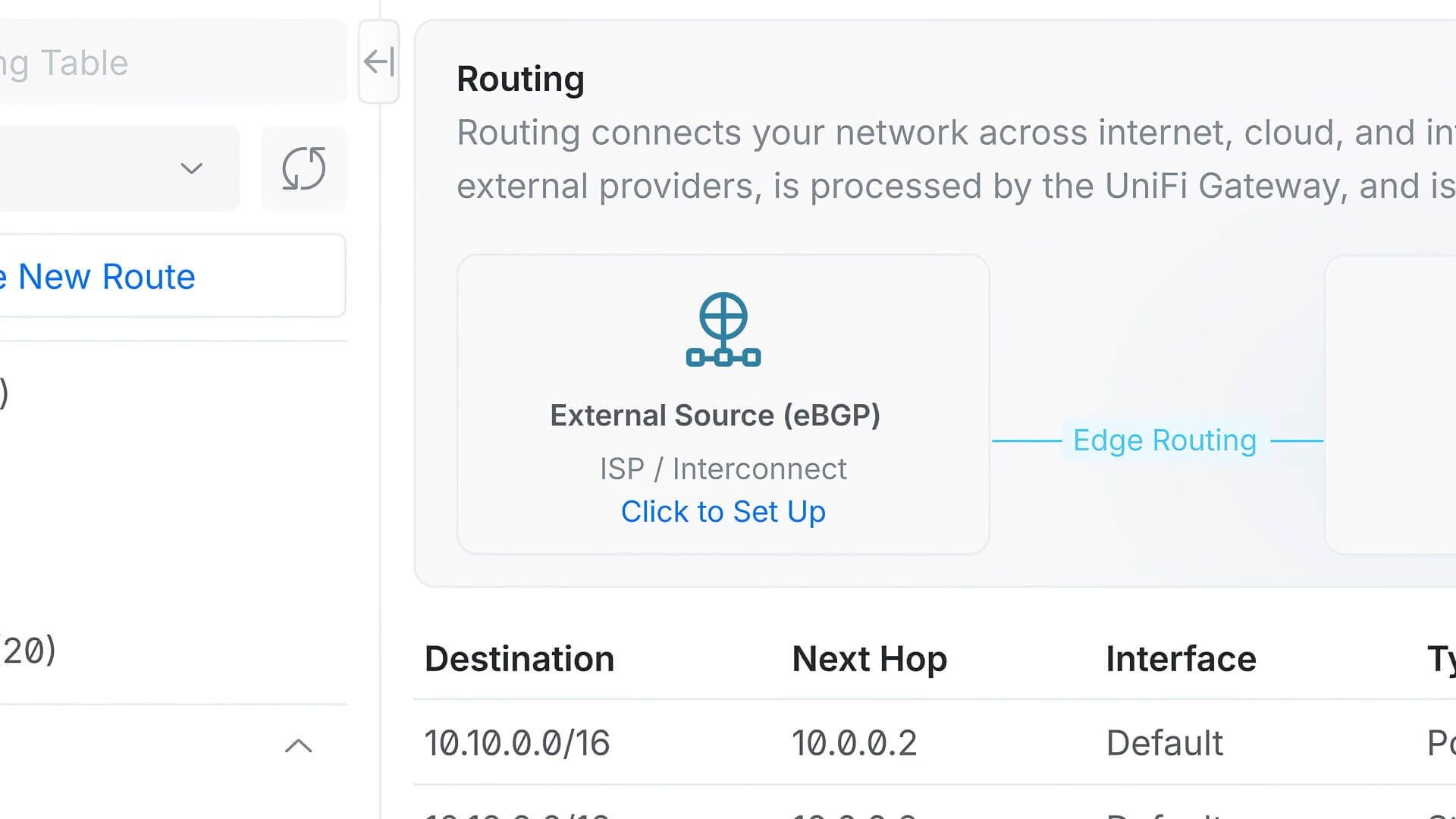
The most significant new feature in version 10.4 is the integration of native eBGP support. By directly integrating the External Border Gateway Protocol into the routing table, administrators can now natively manage ISP peering. This update also brings internal OSPF areas into the same interface, simplifying the deployment of advanced network architectures without having to leave the centralized UniFi dashboard.
 UniFi Network 10 4 iPV6 (Image © Ubiquiti)
IPv6 and VPN Adjustments
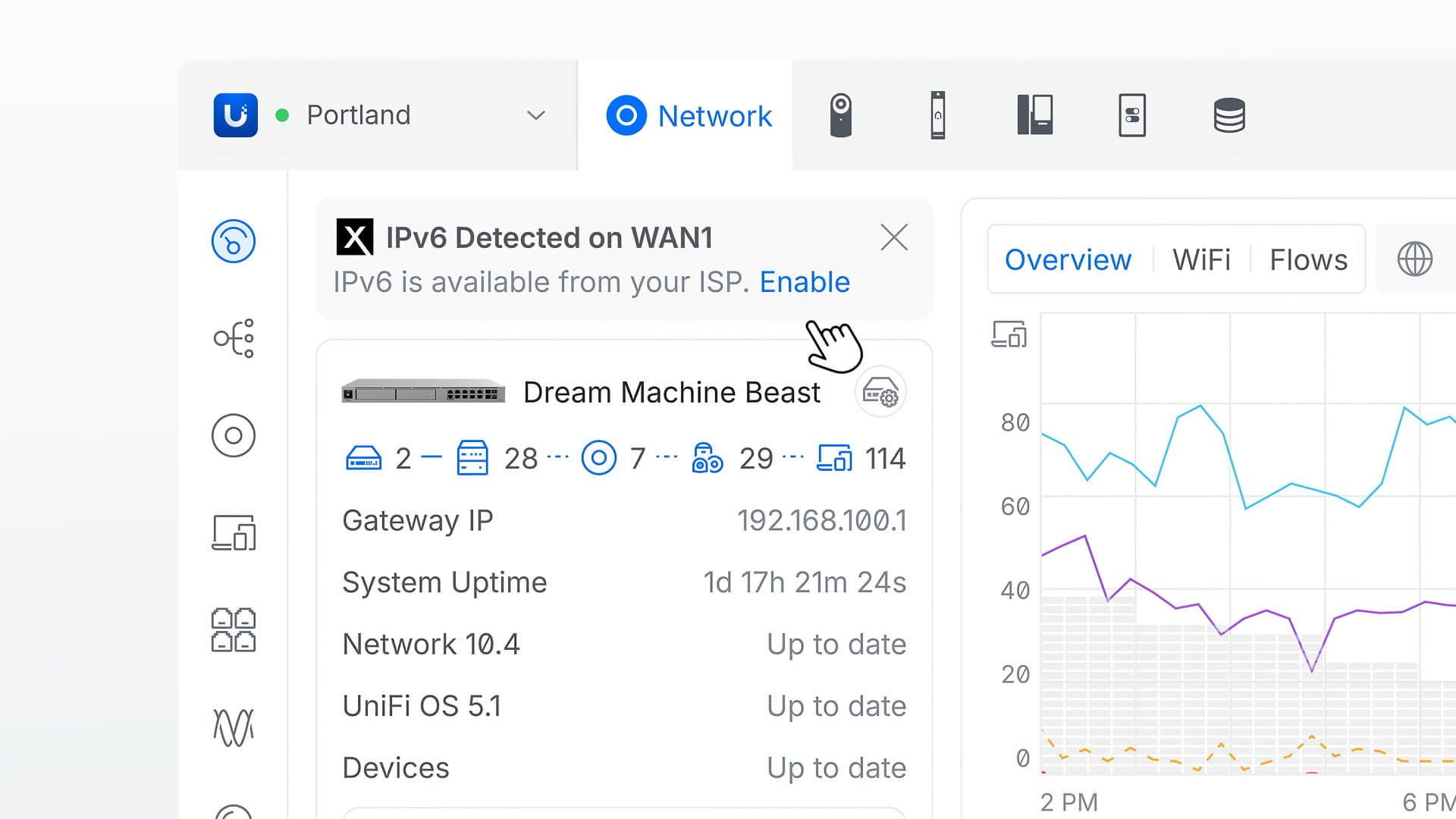
To meet the needs of modern ISP environments, UniFi Network 10.4 implements automatic dual-stack detection, which identifies IPv6 capabilities and provides activation steps. Connectivity is further enhanced through support for WireGuard VPN over IPv6. For users operating behind Carrier-Grade NAT (CG-NAT), the update utilizes Teleport VPN to ensure that remote access via the WiFiman client or the UniFi Travel Router remains stable.
 UniFi Network 10 4 Infrastructure (Image © Ubiquiti)
Topology and Infrastructure Analysis
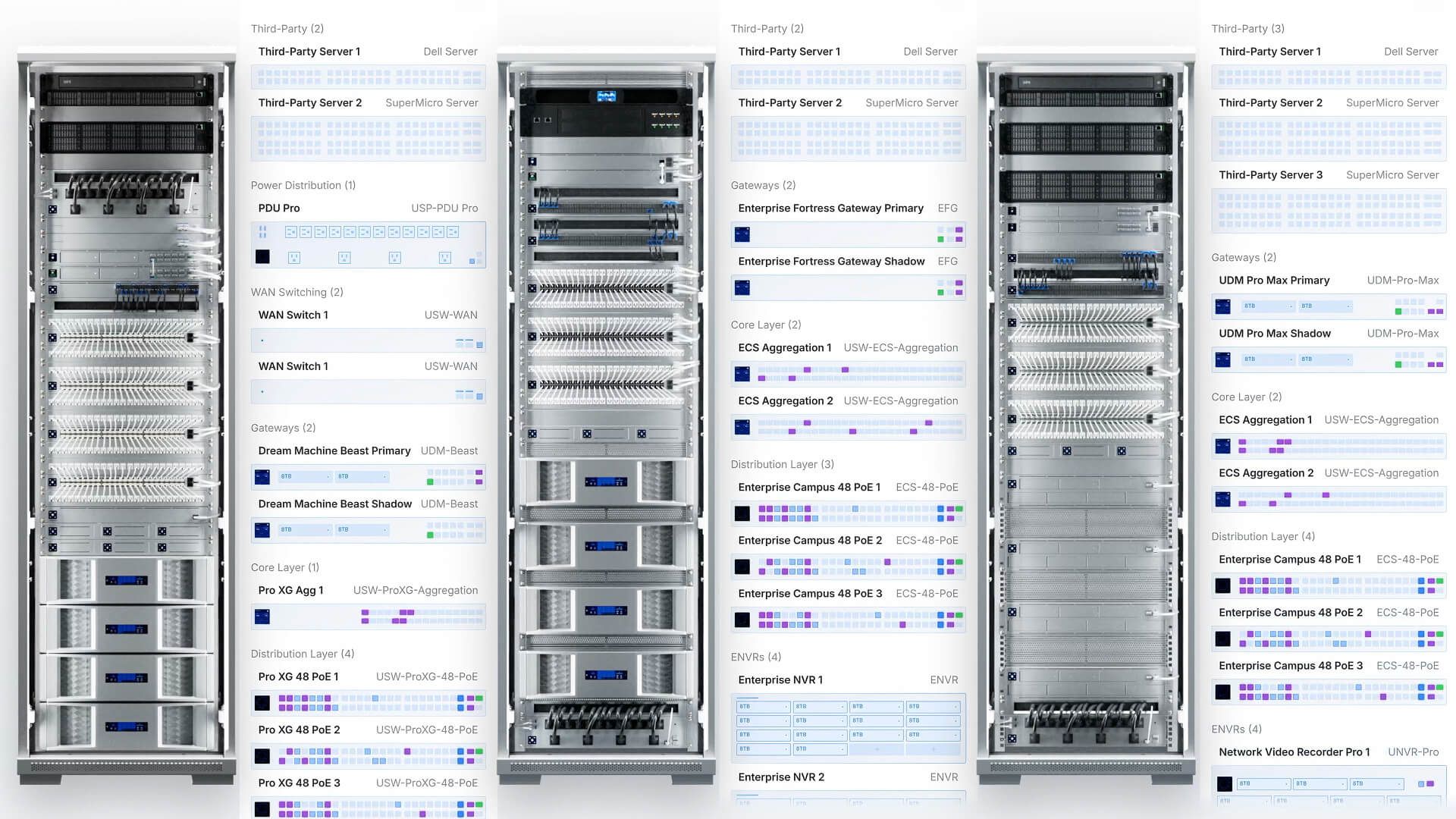
The update integrates historical connection data directly into the infrastructure topology view. This allows network administrators to use the topology screen as a diagnostic tool to see exactly when a connection change or outage occurred. Additionally, the Digital Twin feature now supports smart groupings and the integration of third-party devices, reducing the need to cross-reference multiple logs during root cause analysis.
Mobile Telemetry and Power Supply Security
Operational visibility has been expanded to include full 5G radio telemetry. Administrators can now monitor active frequency bands and radio status, with historical signal tracking for 4G and 5G on U5G hardware. With regard to power supply security, the update introduces configurable battery thresholds for integrated UPS systems, enabling more precise control over the system’s response to power outages.
 UniFi Network 10 4 Sites (Image © Ubiquiti)
Large-scale site coordination
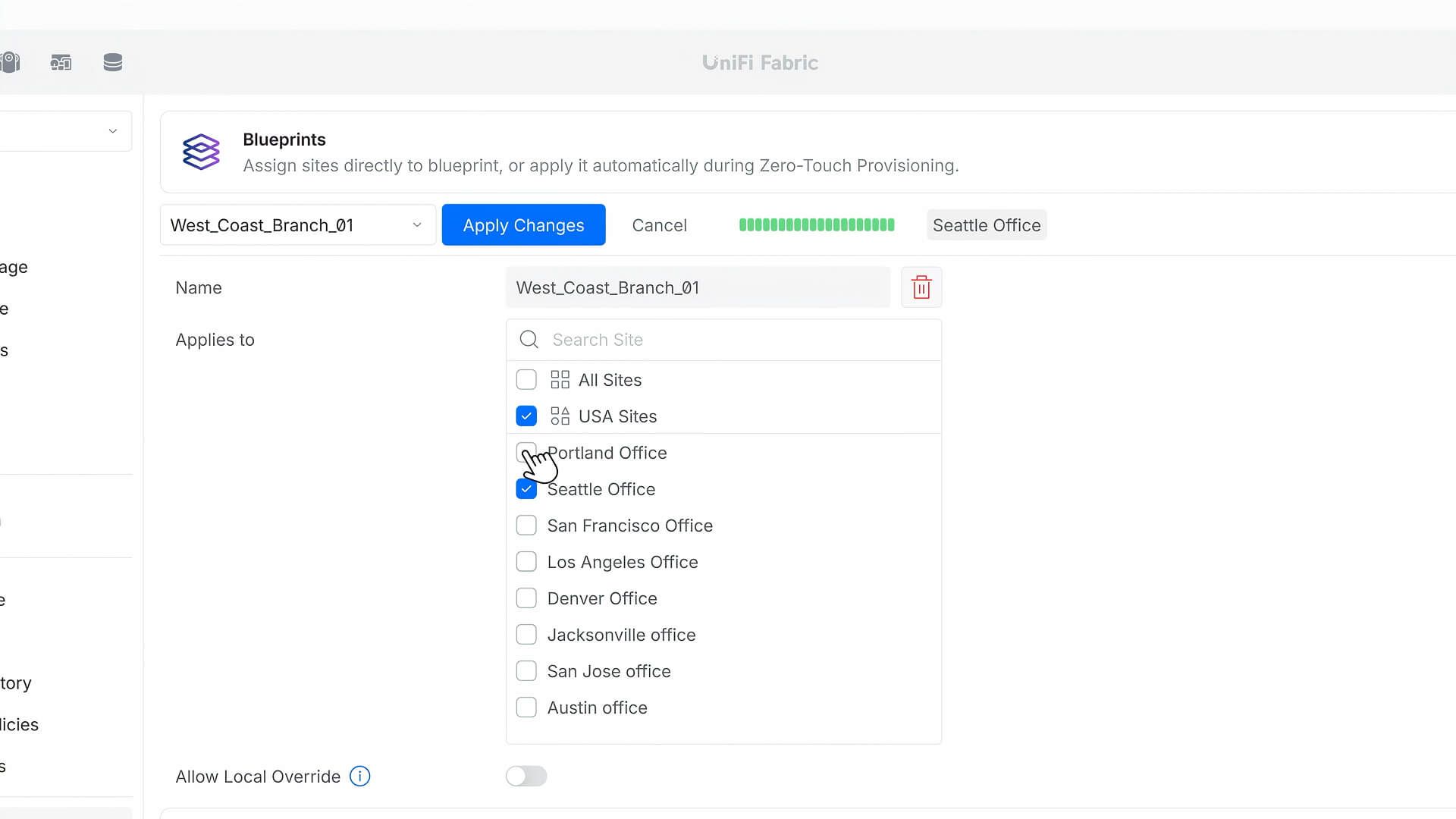
For organizations managing multiple sites, Site Manager now offers blueprint synchronization. This feature transforms the tool into a coordination engine, allowing administrators to define a configuration blueprint at one site and apply it across the entire fleet. This ensures consistency in distributed environments for critical settings such as VLAN configurations and DNS policies.