
 Computer Forum
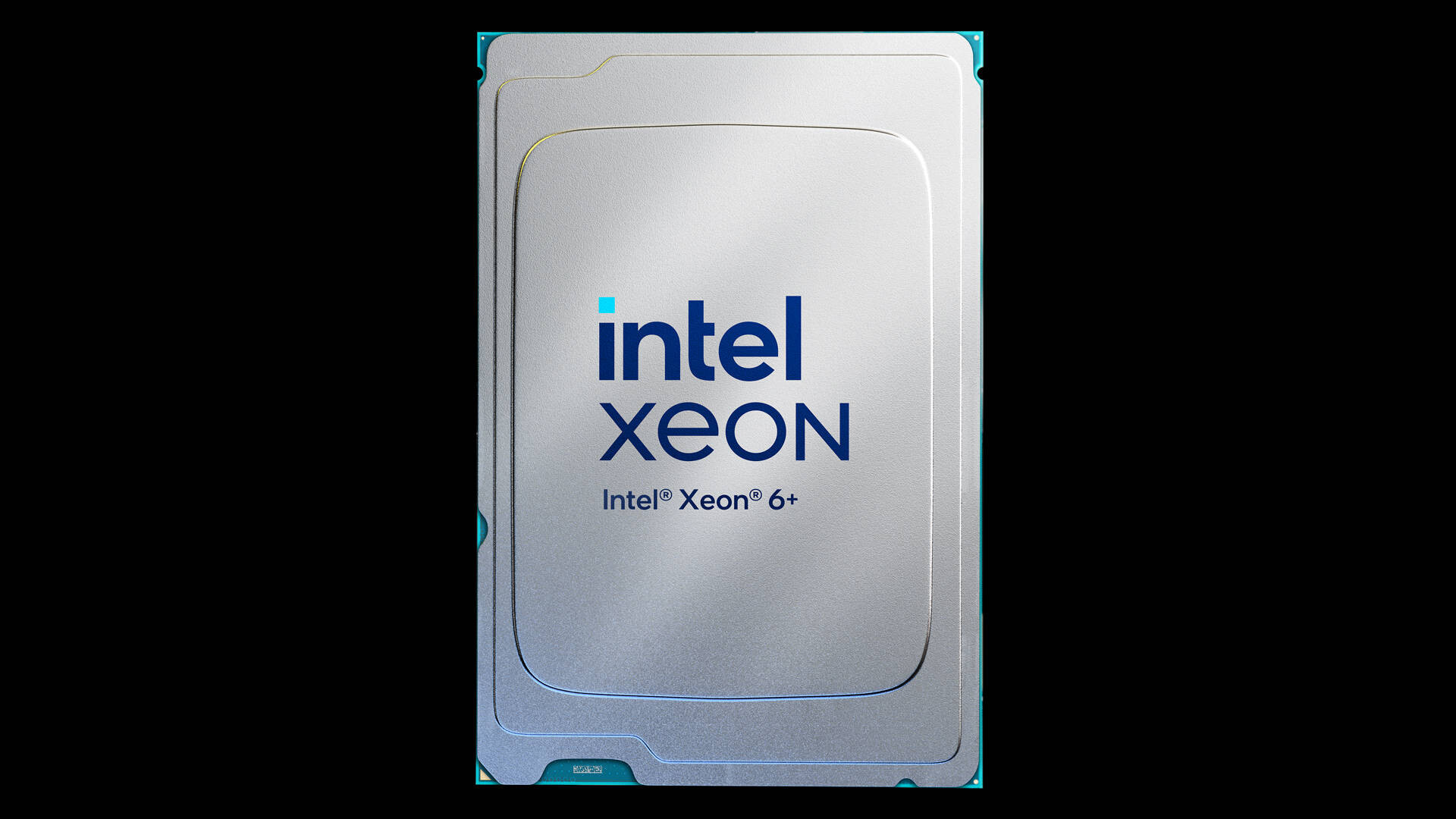 Intel 18A Xeon 6 22 Front (Image © Intel)
The leaked data suggests that the “Dunlow” platform supports processors with up to 28 cores. Industry analyses indicate that these CPUs will use a hybrid architecture instead of a traditional unified core design. The likely configuration includes eight performance cores, sixteen efficiency cores, and four specialized, power-efficient efficiency cores. This specific 28-core arrangement mirrors the configurations expected in the consumer version of Nova Lake-S, while higher-end desktop variants may utilize multiple compute modules to achieve a higher core count.
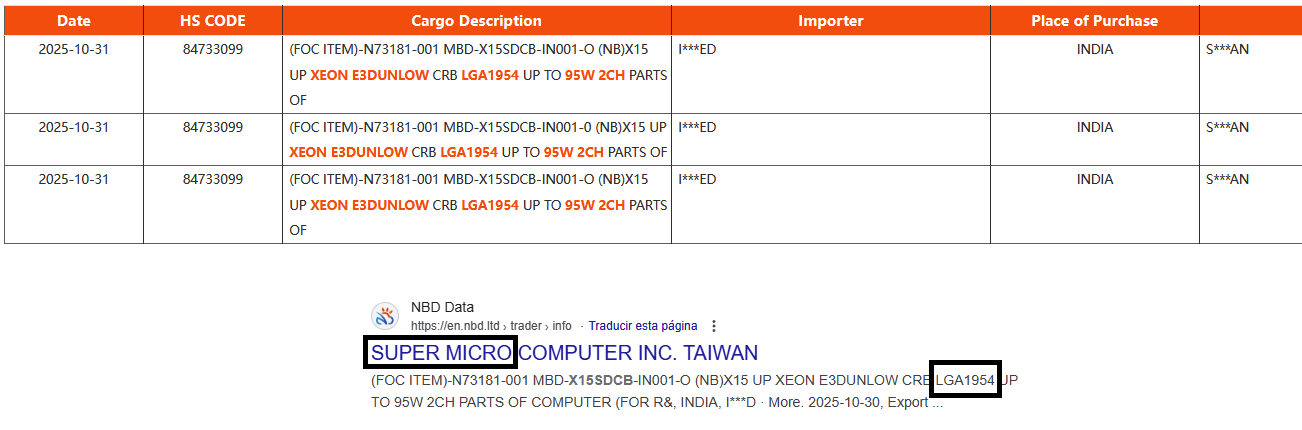 Intel Nova Lake S Xeon Dunlow (Image © @x86deadandback auf X)
Platform Specifications and Socket Changes
Dunlow marks the transition to the LGA1954 socket, moving away from previous generations. The platform is limited to supporting dual-channel DDR5 memory and has a thermal design power of up to 95 W. These specifications suggest that Intel is positioning Dunlow as an entry-level solution, as high-end Xeon workstation and server product lines typically offer significantly more memory channels and PCIe lanes to handle more demanding enterprise workloads.
Evidence of the platform’s existence has emerged in the form of a Supermicro reference board for customers, specifically the MBD-X15SDCB-IN001 model. This board is designed for single-socket Xeon E3 Dunlow processors and complies with the 95 W power limit as well as the specifications of the LGA1954 socket. It remains unclear whether this specific board will be released as a consumer product or whether it will merely serve as a template for other manufacturers.
Compared to the existing Catlow platform, which supports the Xeon E-2400 and Xeon 6300 series on the LGA1700 socket, Dunlow offers a significant improvement in multithreading capabilities. While the current generation was recently expanded to include 12-core options, the switch to Nova Lake-S would more than double the number of cores available to users of entry-level servers.