
 Computer Forum
 Ubiquiti Enterprise NAS Release (Image © Ubiquiti)
Hardware and performance architecture
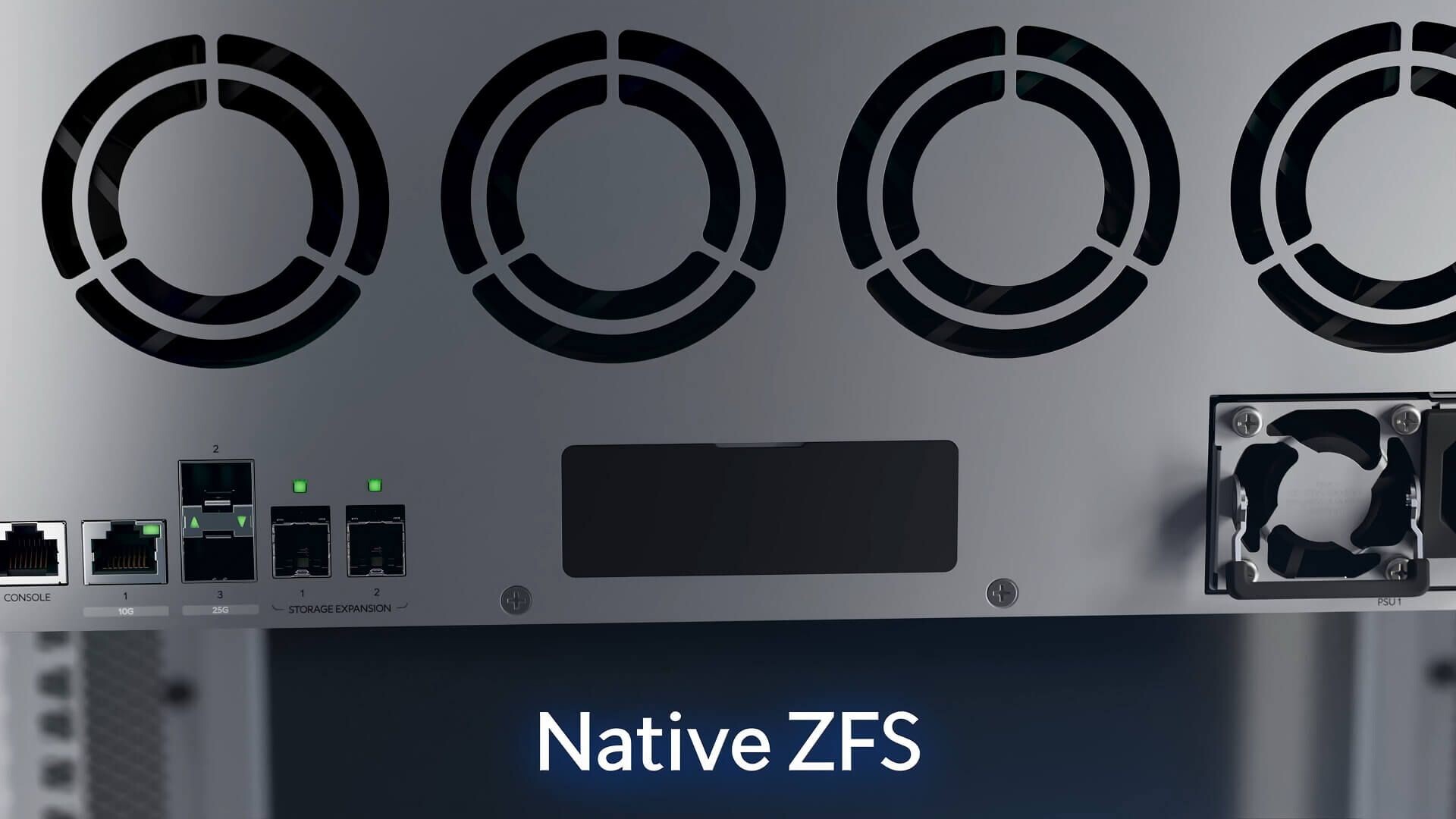
The ENAS system is based on an ARM Neoverse N2 platform with eight cores and 64 GB ECC memory to ensure data integrity even under high utilization. To optimize throughput, the system uses a ZFS architecture supplemented by a dual NVMe cache for L2ARC, which significantly reduces latency for frequently accessed data.
Connectivity is provided via two 25 Gigabit SFP28 ports, ensuring high bandwidth data transfer, while redundant power supplies ensure system availability.
 Ubiquiti Enterprise NAS Lizenz (Image © Ubiquiti)
Drive scalability and flexibility
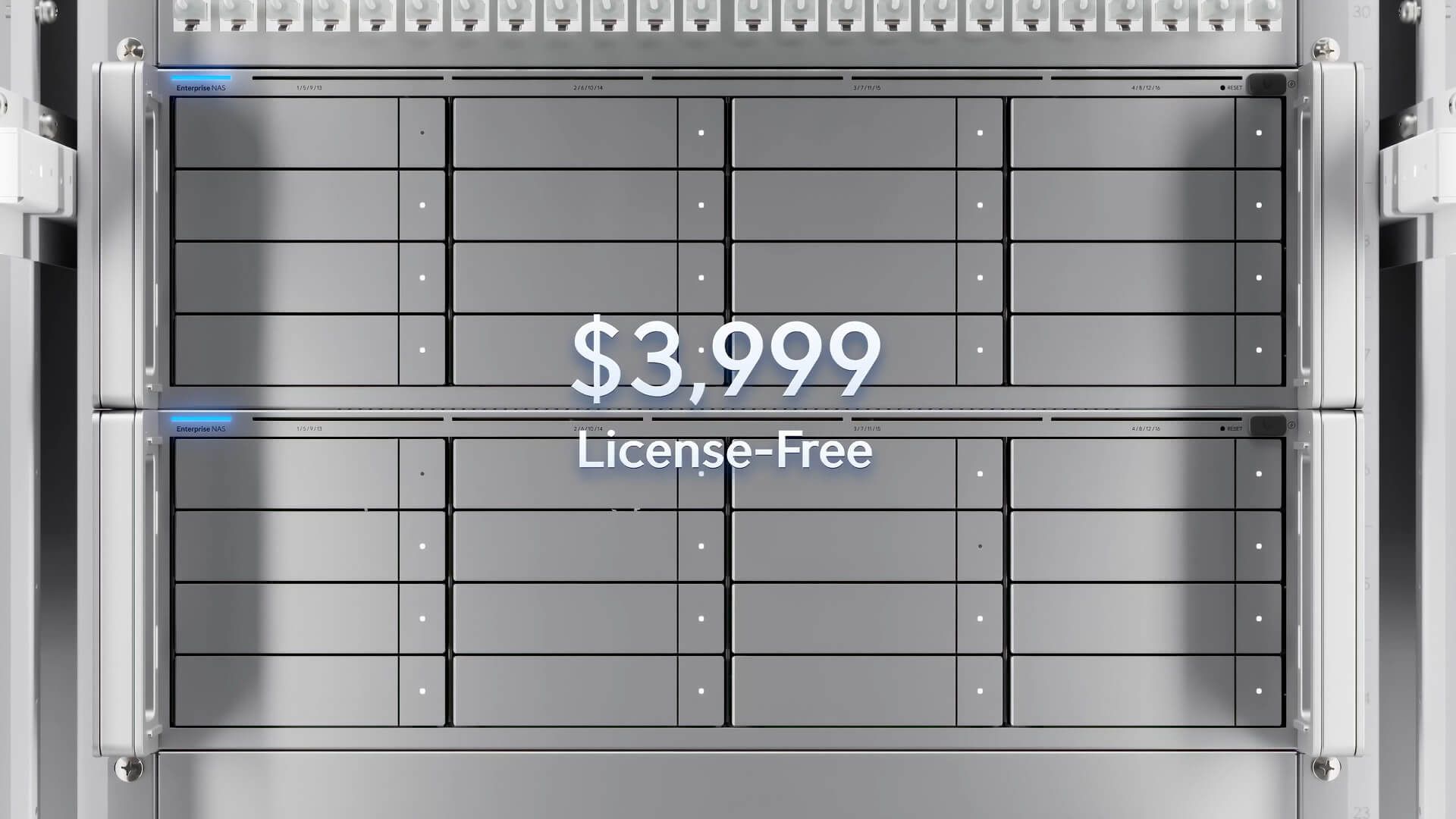
Designed for high-capacity deployments, the hardware includes 16 drive bays, allowing organizations to scale their gross storage to over a petabyte. A key differentiator of the ENAS platform is its compatibility with open drives; the system has none of the firmware limitations often found in enterprise arrays, allowing users to select drives based on their specific needs rather than vendor-approved lists.
Unified management and access control
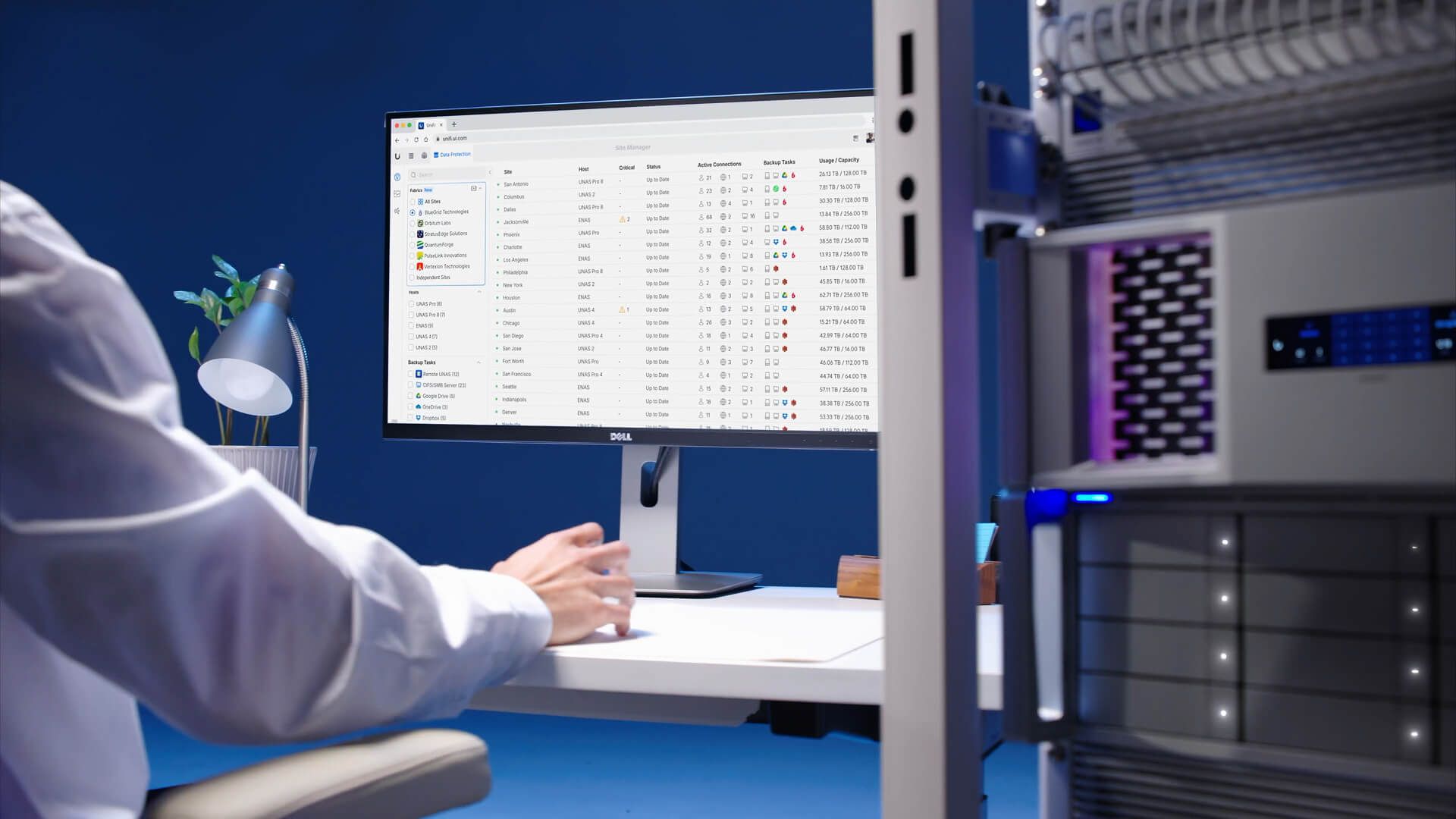
Management overhead is reduced through direct integration with the UniFi platform. This enables a centralized overview of files and backups across the entire company without the need to unlock features via subscriptions.
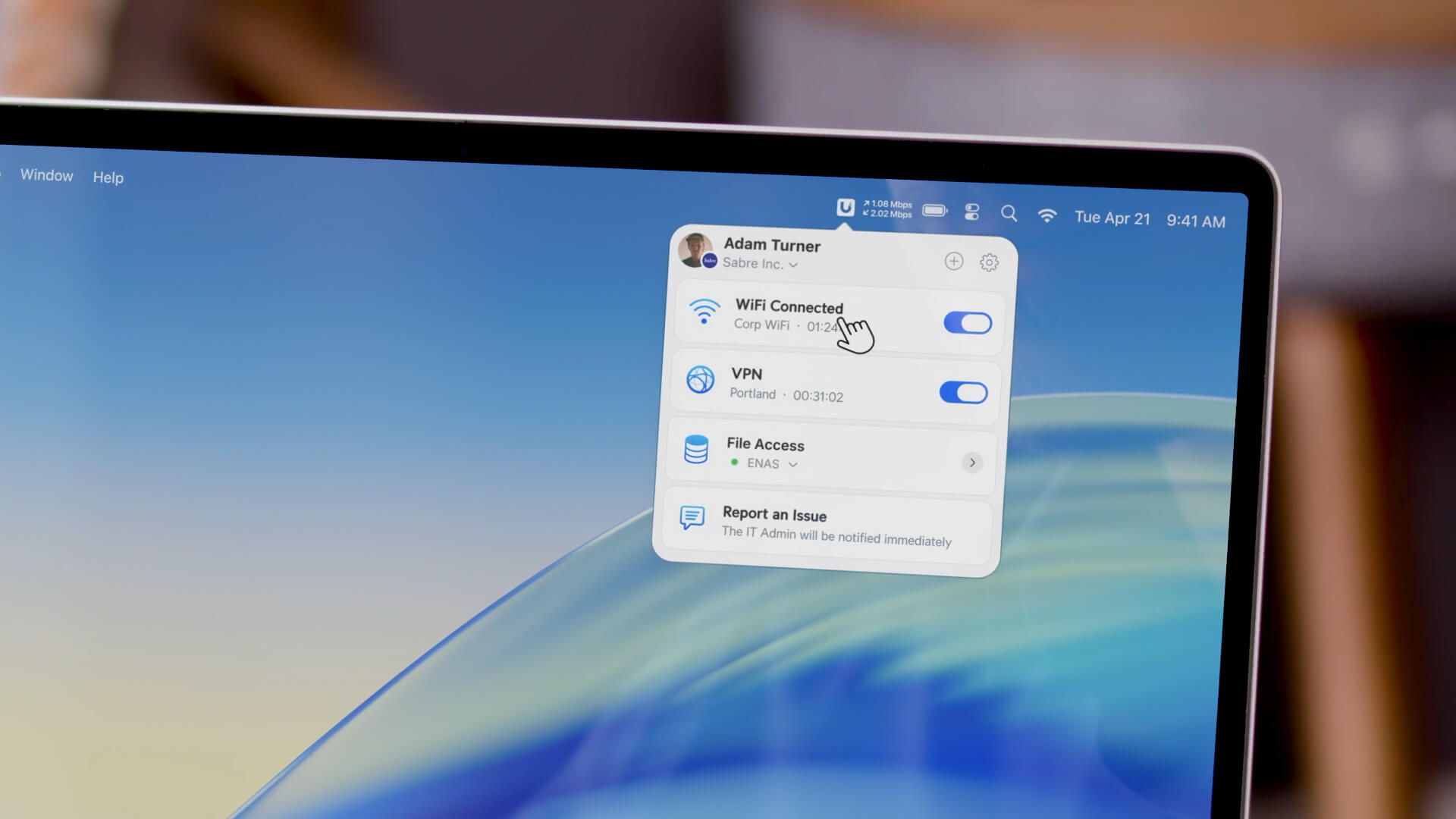
Security is managed through identity-based access. The system integrates with existing enterprise identity providers to implement role-based folder permissions. Users can access data from multiple devices via the UniFi Endpoint, ensuring consistent security policies across desktop and mobile environments.
 Ubiquiti Enterprise NAS Stack (Image © Ubiquiti)
Virtualization and shared block storage
In addition to standard file storage, ENAS offers native iSCSI support via UniFi Drive. This allows the platform to act as shared block storage for virtualization environments. The system is compatible with major hypervisors, including VMware, Hyper-V and Proxmox, and supports the high availability requirements needed for live migration workflows.
 Ubiquiti Enterprise NAS MACOS (Image © Ubiquiti)
Coordination of backups across multiple sites
Future updates to the platform will introduce centralized backup coordination via UniFi Fabrics and Site Manager. With these planned features, administrators will be able to manage data protection across multiple physical locations from a single interface. Planned features include the ability to synchronize data with ENAS hardware at other locations, rsync servers or cloud storage. In addition, the system will support the transfer of user data from Microsoft 365 applications directly to individual user drives.