
 Computer Forum
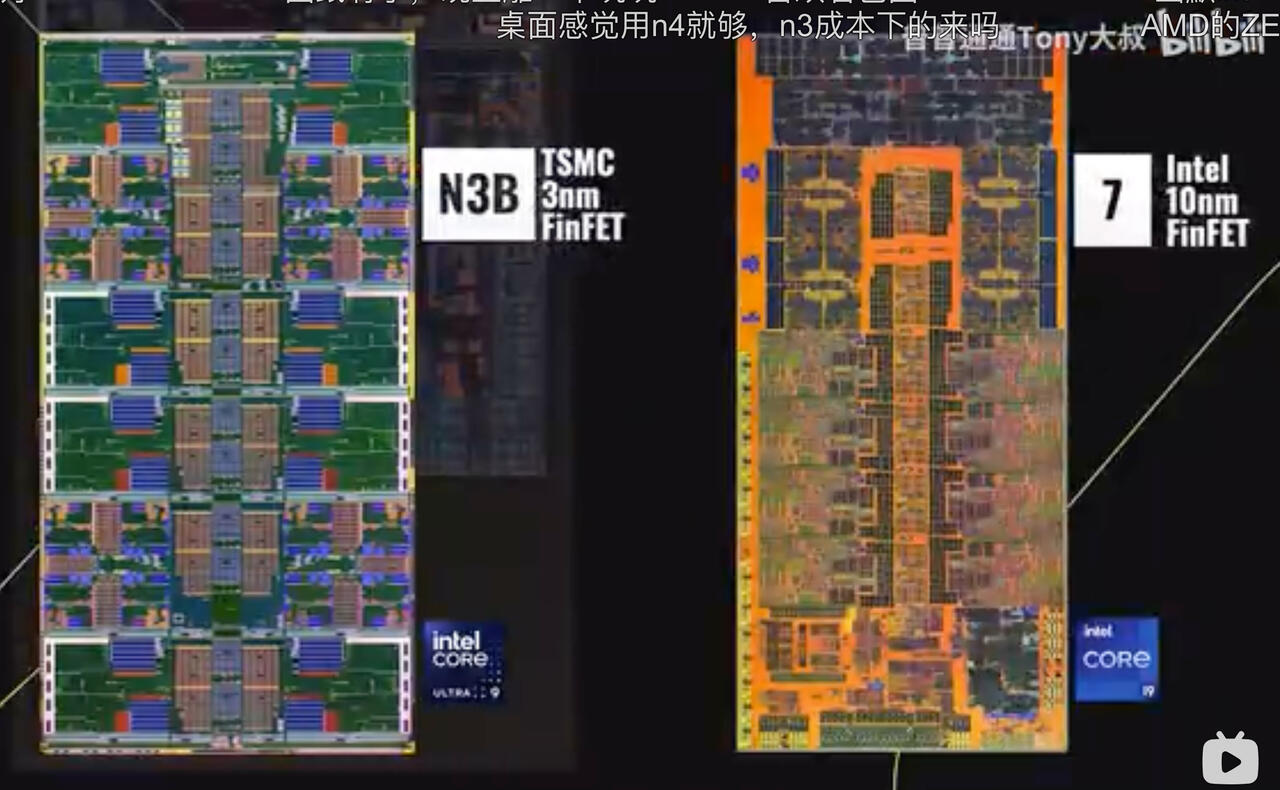 Intel Core Ultra 200S Alder Lake vs Raptor Lake (Image © ASUS auf Bilibili)
The upcoming CPUs follow the 13th generation “Raptor Lake” series and its 14th generation update, closing the gap left by the “Core Ultra” (Arrow Lake) series, which only supports DDR5. By maintaining DDR4 compatibility, Intel aims to provide a cost-effective upgrade path for existing systems without forcing a complete platform change.
According to an internal briefing, Intel may drop the “Ultra” suffix from these models and revert to the “Core Series 3” designation, indicating the lack of an integrated neural processing unit. The series will likely offer a range of core combinations, with the top model expected to combine eight performance cores with eight efficiency cores - as opposed to the 8+16 configuration found in the current Raptor Lake S chip.
Variable L3 cache allocations will allow Intel to differentiate models in the entry-level, mainstream and performance segments. Pricing will be tuned to avoid direct competition with the upcoming “Core Ultra Nova Lake-S” processors, which are aimed at the next generation of DDR5-only platforms.
The planned 2027 launch of “Raptor Lake Next” provides a transitional solution for PC builders and OEMs facing the price premium for DDR5. By extending the life of the LGA-1700 socket and the DDR4 ecosystem, Intel hopes to maintain market share with price-conscious consumers while the industry as a whole makes the transition to DDR5 memory.