
 Computer Forum
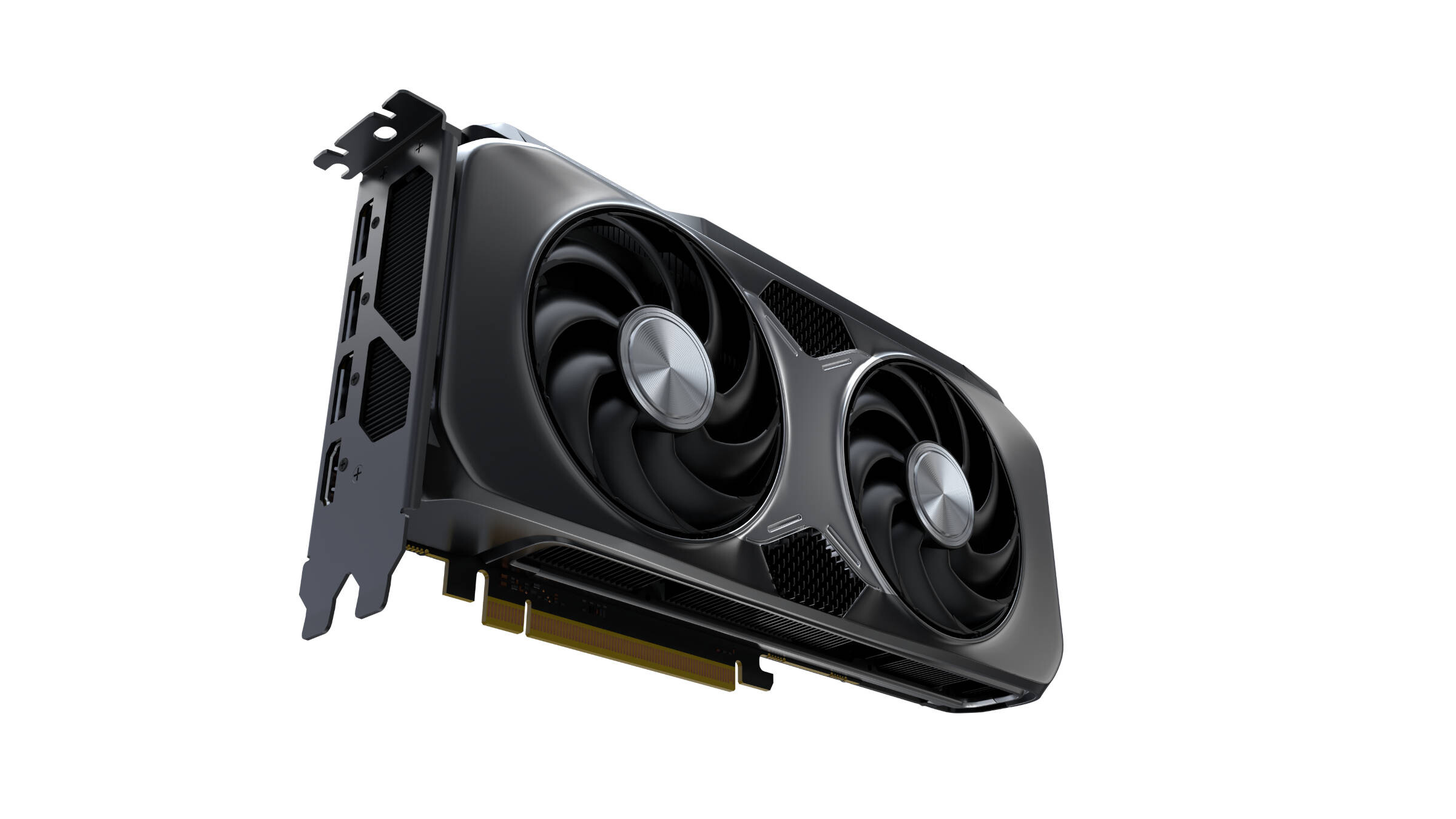 AMD Radeon RX 9070 GRE AMD Design (Image © AMD)
Radeon RX 9070 GRE specifications
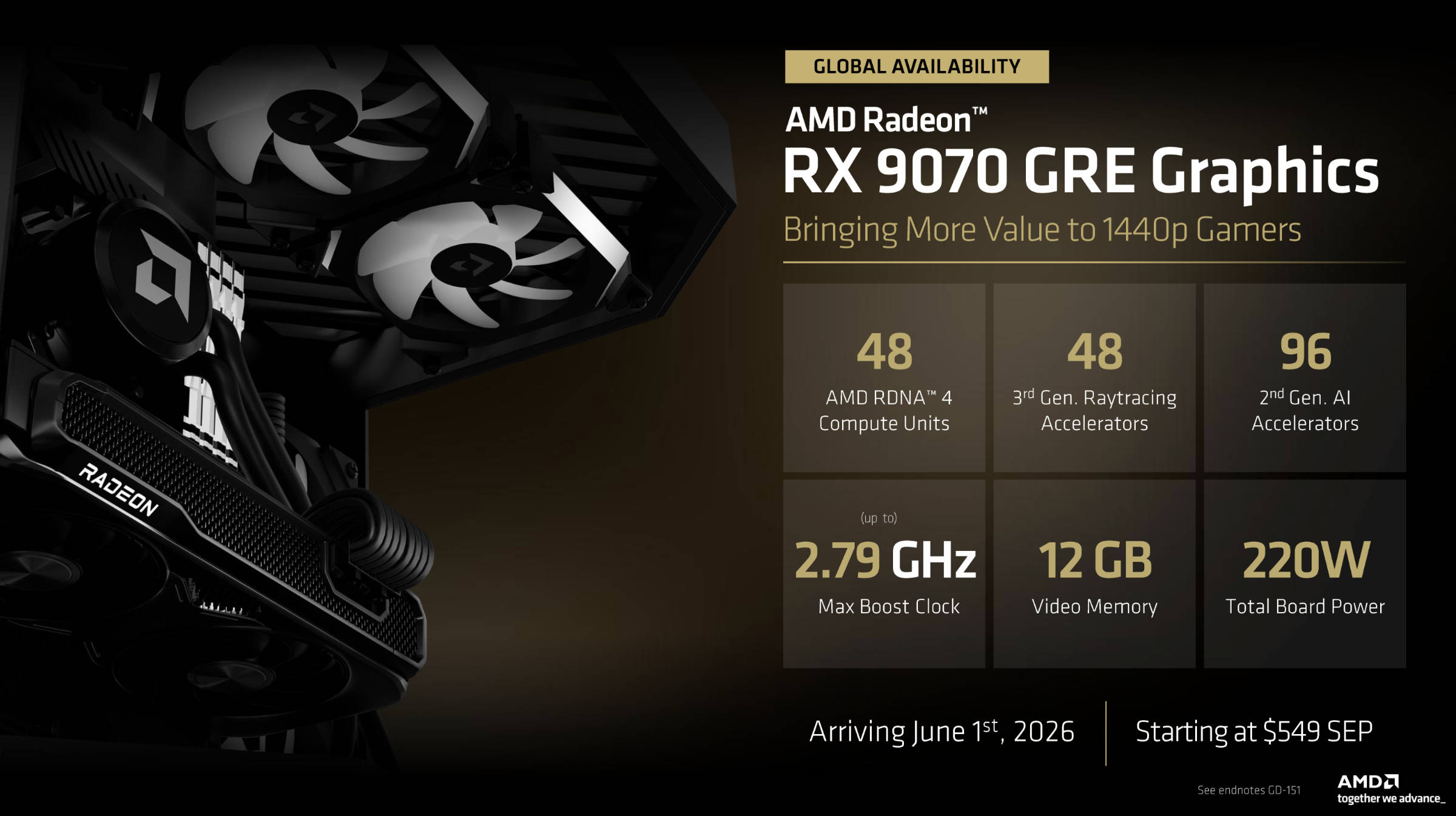
The Radeon RX 9070 GRE is based on the 4nm Navi-48 chip, which it shares with the Radeon RX 9070 and the Radeon RX 9070 XT and therefore does not belong to the cheaper Radeon RX 9060 family. While the actual chip physically has 64 processing units and offers a 256-bit memory bus, the Radeon RX 9070 GRE variant only has 48 processing units activated and the memory bus is limited to 192 bits - which is typical for binning. This puts it well ahead of the Navi 44-based Radeon RX 9060 XT, which only has half the computing units and half the memory bus width of the Radeon RX 9070 GRE.
 AMD Radeon RX 9070 GRE Spec (Image © AMD)
It also comes with 3,072 stream processors, adds 48 ray tracing accelerators and 96 AI accelerators and supports 192 TMUs and 96 ROPs. There is also a cut in the graphics memory, as it comes with 12 GB GDDR6 with a clock rate of 18 Gbps, whereas the other models in the series have 16 GB. The total memory bandwidth is specified as 437 GB/s. The card also uses 48 MB of Infinity Cache. The clock rates for the GPU are 2.20 GHz for the game boost and 2.79 GHz for the maximum boost frequency.
It is also interesting that AMD is showing its own design, although we cannot find the card for sale directly from AMD. However, the reference design looks cool and customers will certainly want a card with AMD's design.
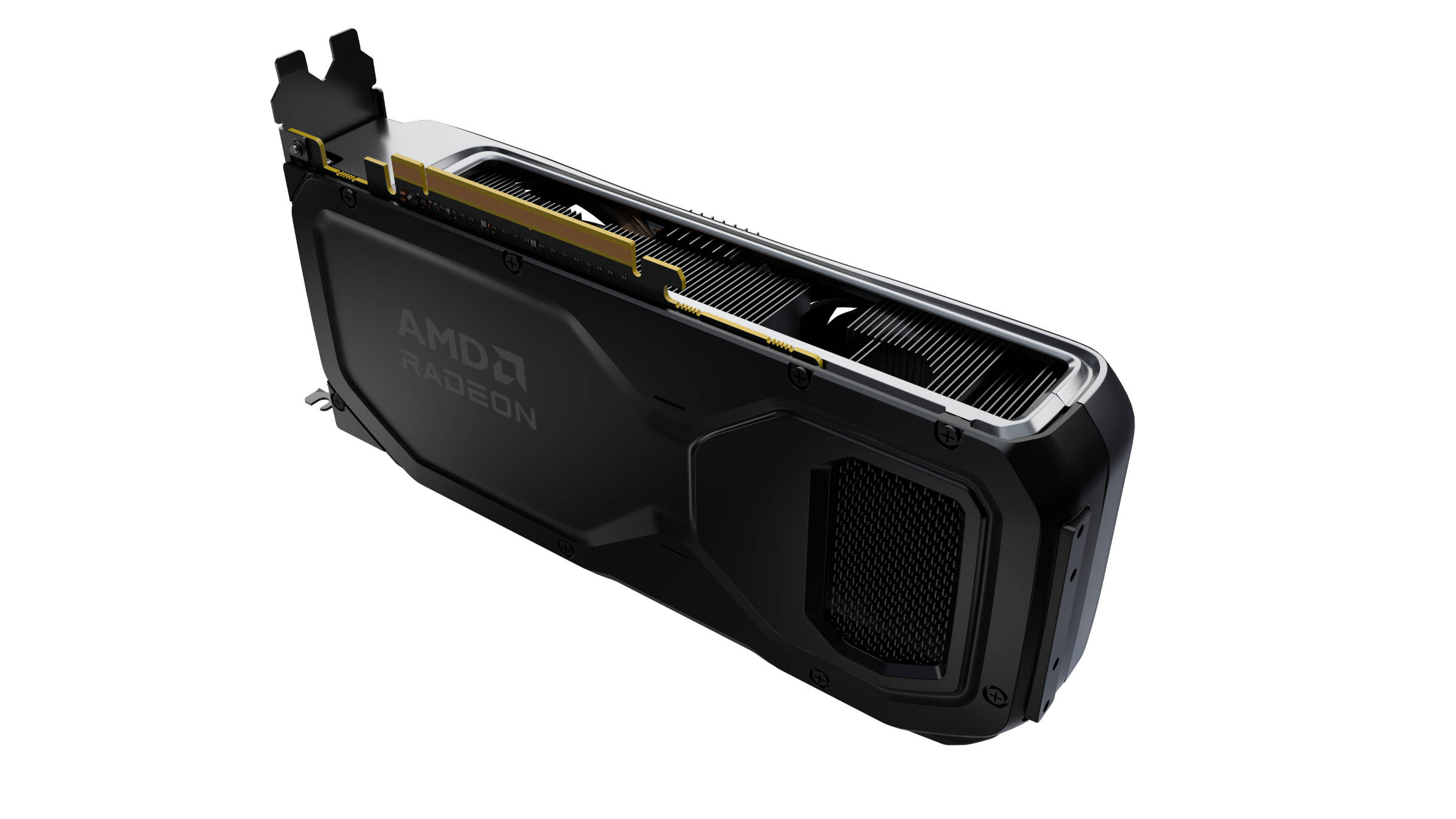 AMD Radeon RX 9070 GRE Rückseite (Image © AMD)
Radeon RX 9070 GRE market position and price
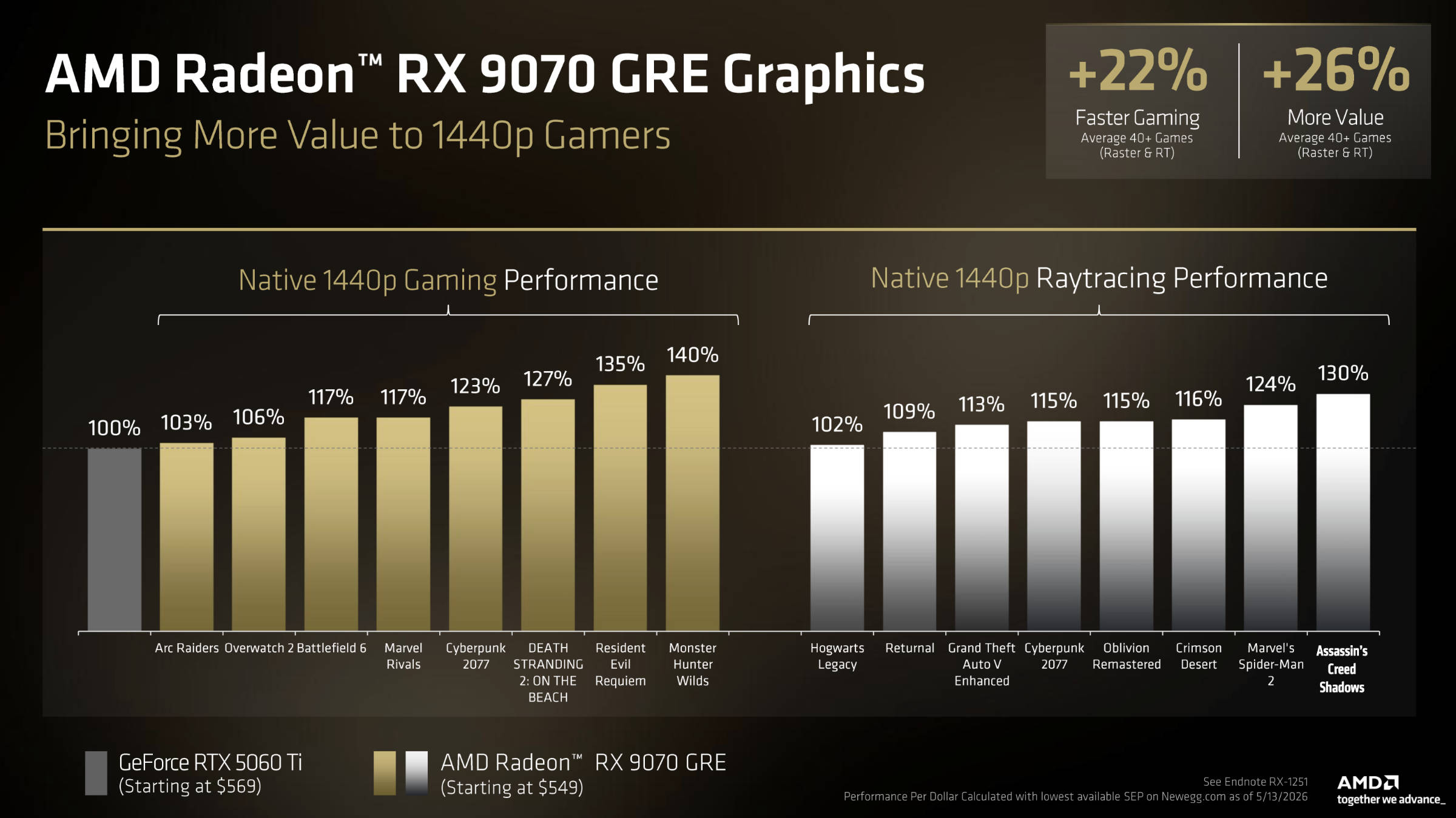
In terms of market positioning, AMD wants to position the card against NVIDIA's GeForce RTX 5060 Ti 16 GB, with the memory difference being an issue. AMD quotes a price of $549, although AMD was unable to give us the EUR price. According to internal performance data, the Radeon RX 9070 GRE offers a 22% increase in pure performance compared to the RTX 5060 Ti, thus improving the price-performance ratio. While NVIDIA recommends the RTX 5060 Ti for 1080p gaming, AMD is positioning the RX 9070 GRE as a card that can handle 1440p resolutions.
 AMD Radeon RX 9070 GRE Leistung (Image © AMD)
The Radeon RX 9070 GRE will be available from June 1 through various partners, including Asus, Acer, Gigabyte, XFX, ASRock, PowerColor and Sapphire.
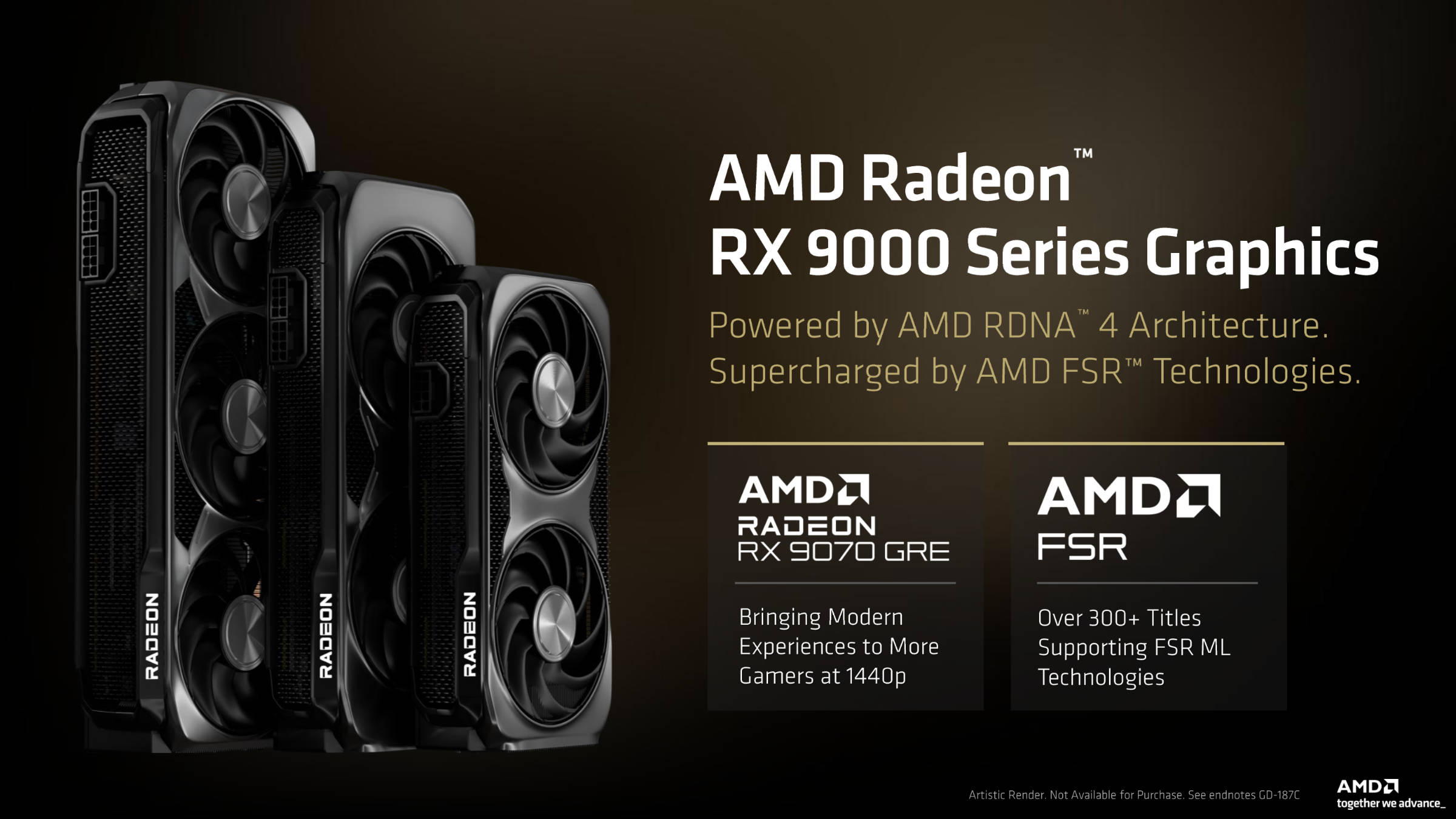 AMD Radeon RX 9070 GRE Release (Image © AMD)