
 Computer Forum
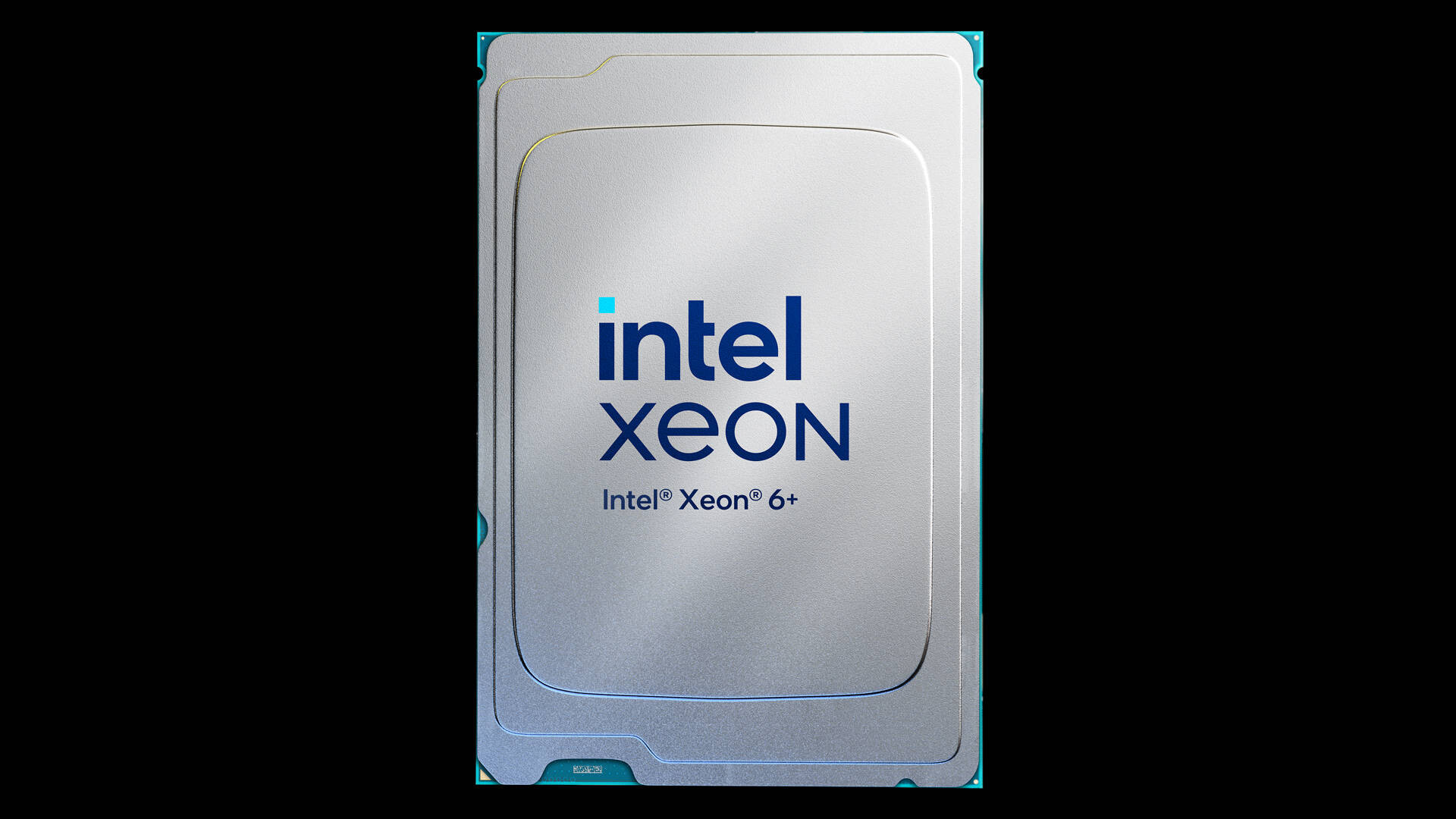 Intel 18A Xeon 6 22 Front (Image © Intel)
The new X14 platforms feature significantly higher core density with Xeon 6+ CPUs and support up to 288 efficiency cores per socket, enabling a total of 576 E cores in a single server. Compared to previous generations of hardware, these systems offer double the number of cores and a 17 percent improvement in instructions per clock (IPC).
Other architectural improvements include a five-fold increase in last-level cache and 25 percent faster memory support, contributing to improved performance per watt and lower energy consumption in large data centers.
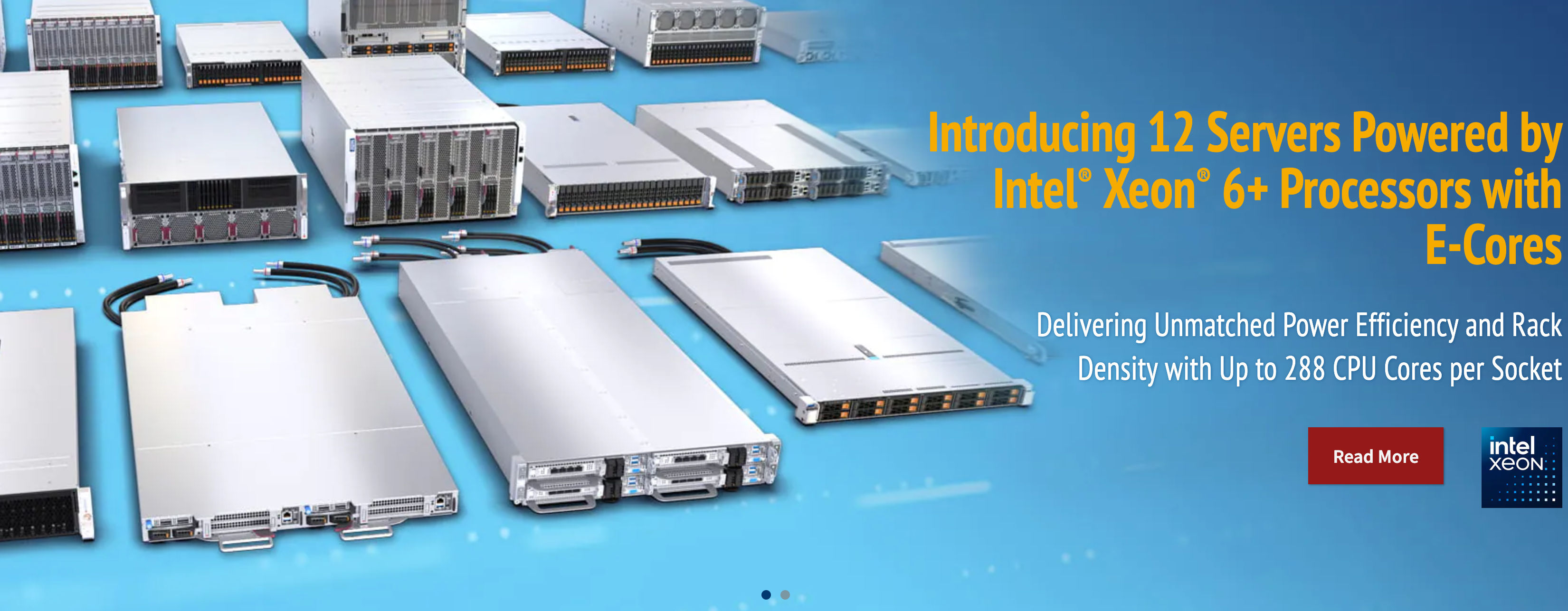 Supermicro X14 Server für Xeon 6 (Image © Supermicro )
Supermicro has categorized the new platforms into four primary families to meet different deployment requirements:
- Hyper Series: These 1U and 2U rackmount servers offer single or dual socket configurations, emphasizing storage capacity and networking flexibility.
- SuperBlade: This architecture maximizes compute density by housing up to 10 compute nodes in a single 6U chassis and sharing core infrastructure.
- FlexTwin: Designed for hyperscale and cloud providers, these systems utilize liquid cooling. While power and cooling resources are shared, each dual socket node operates independently.
- GrandTwin: These single-socket multi-node systems are optimized for heavy e-core workloads and focus on thermal efficiency and scalability.
In addition to the individual servers, Supermicro integrates these platforms into its DCBBS framework. This modular approach enables the use of validated components and subsystems ranging from standalone servers and networking hardware to complete rack-scale data center solutions including associated software.
The new X14 server series and AI infrastructure solutions are currently on display at Computex.