
 Computer Forum
Advanced tools for world creation and environment design
The update introduces “Mesh Terrain”, a transition from 2.5D elevation fields to a true 3D mesh system. This change allows developers to create complex environmental elements such as overhangs and tunnels directly in the editor. The system is integrated with “World Partition” and “One File Per Actor” to optimize data management.
The Procedural Content Generation (PCG) framework has been updated to allow manual artistic interventions in addition to procedural results without disrupting the underlying logic. In addition, the new Procedural Vegetation Editor (PVE) enables the creation of biologically correct vegetation that competes for light and interacts with surrounding meshes. These tools are complemented by the “Fast Geometry Streaming” plugin, which improves stability and speed when loading assets in huge environments.
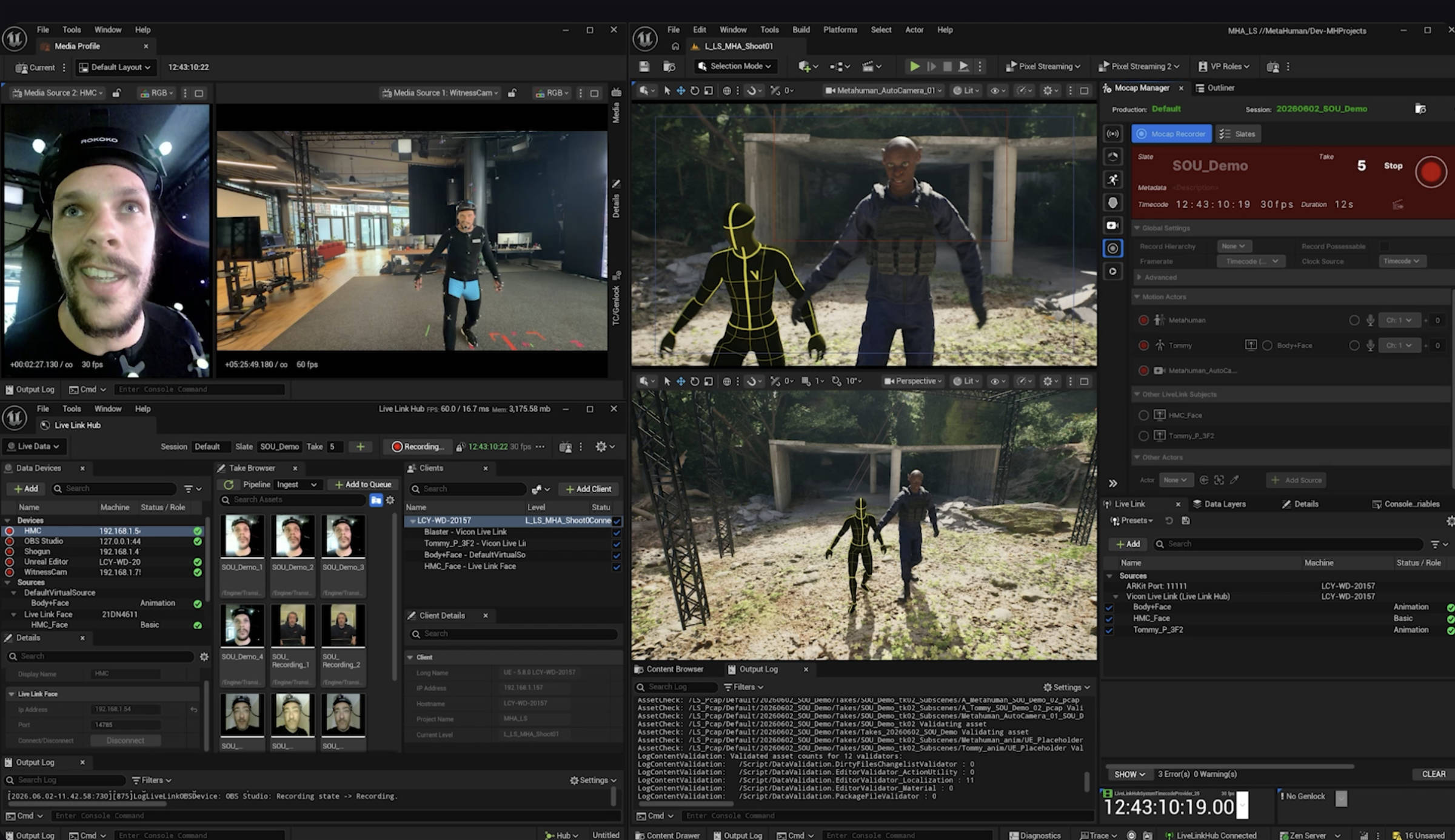 Unreal Engine 5 8 Motion Capture (Image © Epic Games)
Animation and character rigging
Workflow efficiency for characters has been improved with the introduction of Direct Mesh Controls (DMC), allowing animators to interact directly with the actual surface of a skeleton mesh. The update also brings ‘Control Rig Physics’ into beta, offering modular physics rigs that can be layered over existing animations to create secondary movements or ragdoll effects.
For real-time applications, the new “Control Rig Dynamics” offers a particle-based solver that works five times faster than previous versions. Other animation improvements include automated baking and enhanced retargeting options to better handle characters with different anatomical proportions.
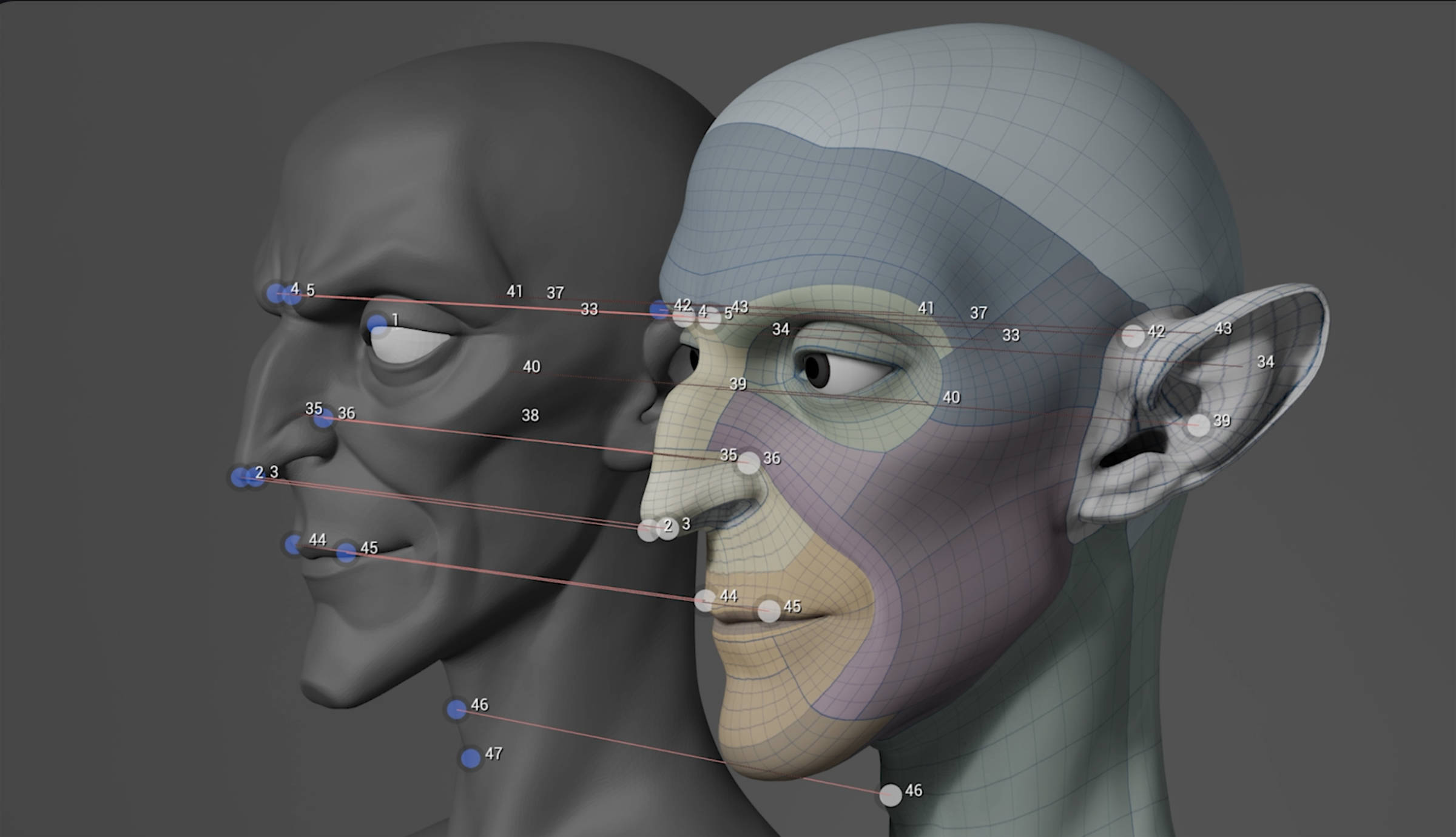 Unreal Engine 5 8 Face (Image © Epic Games)
Scaling of digital humans and MetaHumans
The introduction of “MetaHuman Collections” makes it possible to populate environments with thousands of digital humans. The system uses a proximity-based transition and switches between high-resolution actors and instanced skinned meshes to maintain performance.
The Mesh to MetaHuman workflow has been extended to include full body customization, allowing any human mesh to be converted into a rigged MetaHuman. In addition, MetaHuman Animator now supports markerless motion capture, allowing full-body and facial movements to be captured with a single camera, without the need for special suits or markers. In the spirit of open standards, Epic Games has released RigLogic and DNA as open source under the MIT license.
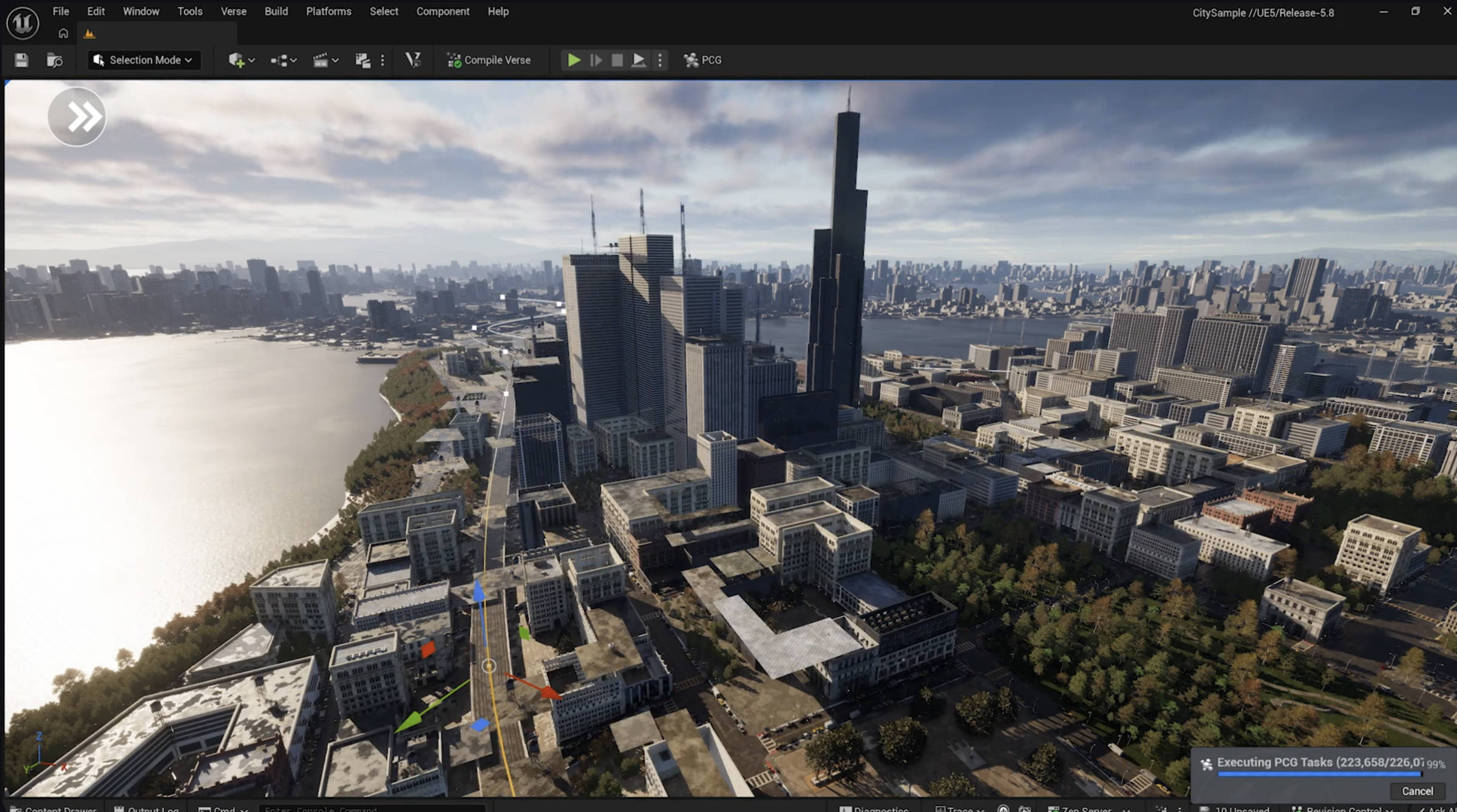 Unreal Engine 5 8 City (Image © Epic Games)
Rendering and physics performance
Rendering capabilities are greatly enhanced by the production readiness of MegaLights, enabling a large number of dynamic, shadow-casting area lights with reduced noise. To support lower-end hardware, Lumen Lite has been introduced, utilizing Irradiance fields to enable global illumination at 60 fps on Nintendo Switch 2 and PC.
Atmospheric realism is enhanced with Fog Screen Space Scattering (FSSS), while a new toon shader based on the Substrate framework provides options for stylized, non-photorealistic rendering. On the physics side, both Dataflow and Chaos Cloth are now production-ready, offering a node-based approach to procedural physics and garment model creation.
Mobile and engine infrastructure
Mobile development is optimized with automated Android workstation setup and reduced cook times. The Unreal Engine remote application now allows testing of touch gestures and inputs directly in the editor, eliminating the need for frequent deploys to physical devices.