
 Computer Forum
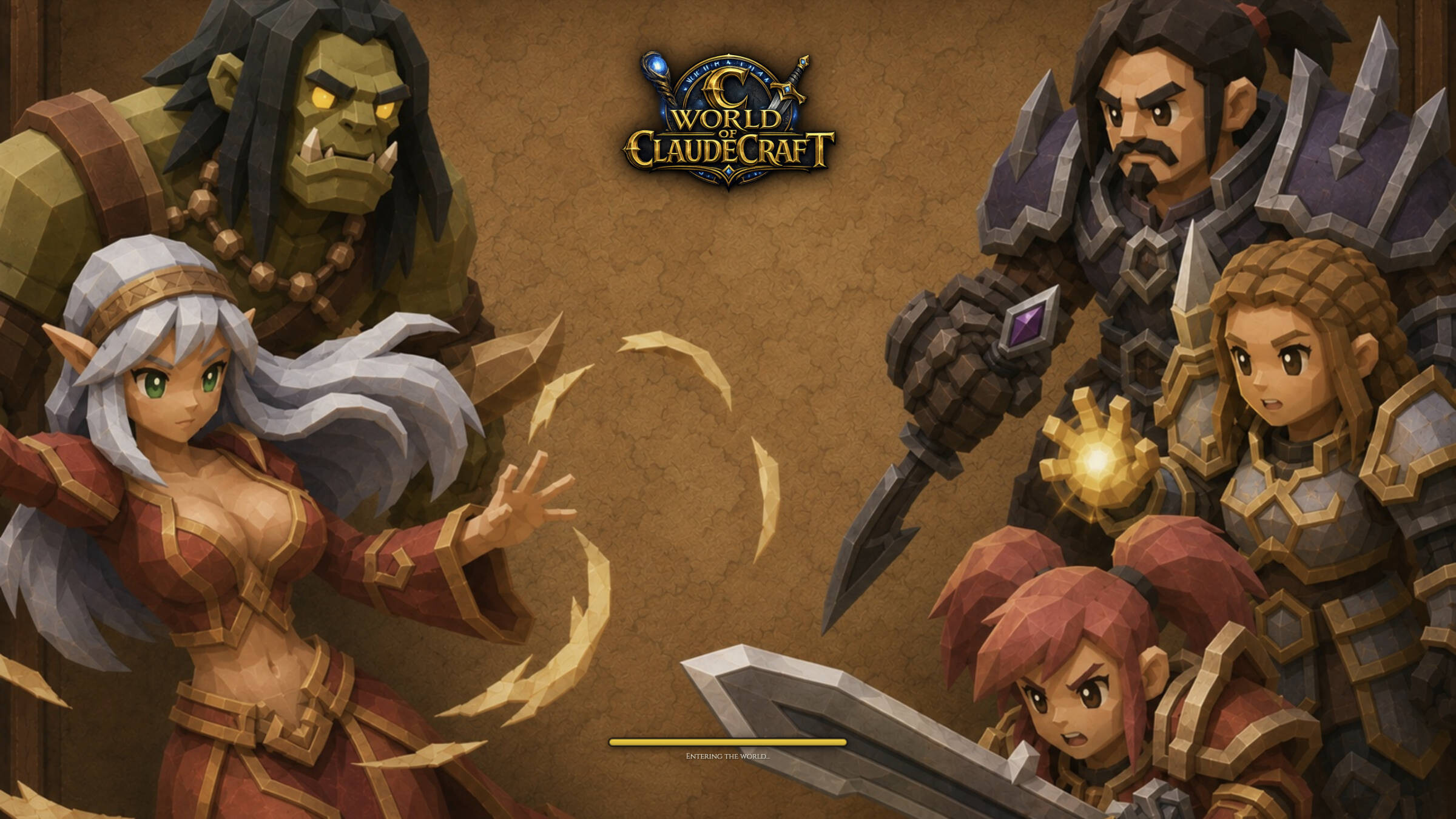 World of Claudecraft Opener (Image © PCMasters.de)
The project was completed in just two days. The main development costs amounted to approximately 200 USD, which covered the use of the Max-20x AI plan. This rapid implementation demonstrates a significant reduction in the time normally required to build a functional multiplayer environment.
“World of Claudecraft” is not a simple prototype, but a playable game with several complex systems. The AI-generated logic enables a comprehensive character creation process and a talent point system. In addition, the game features a full combat system and an open-world environment supported by an active server connection.
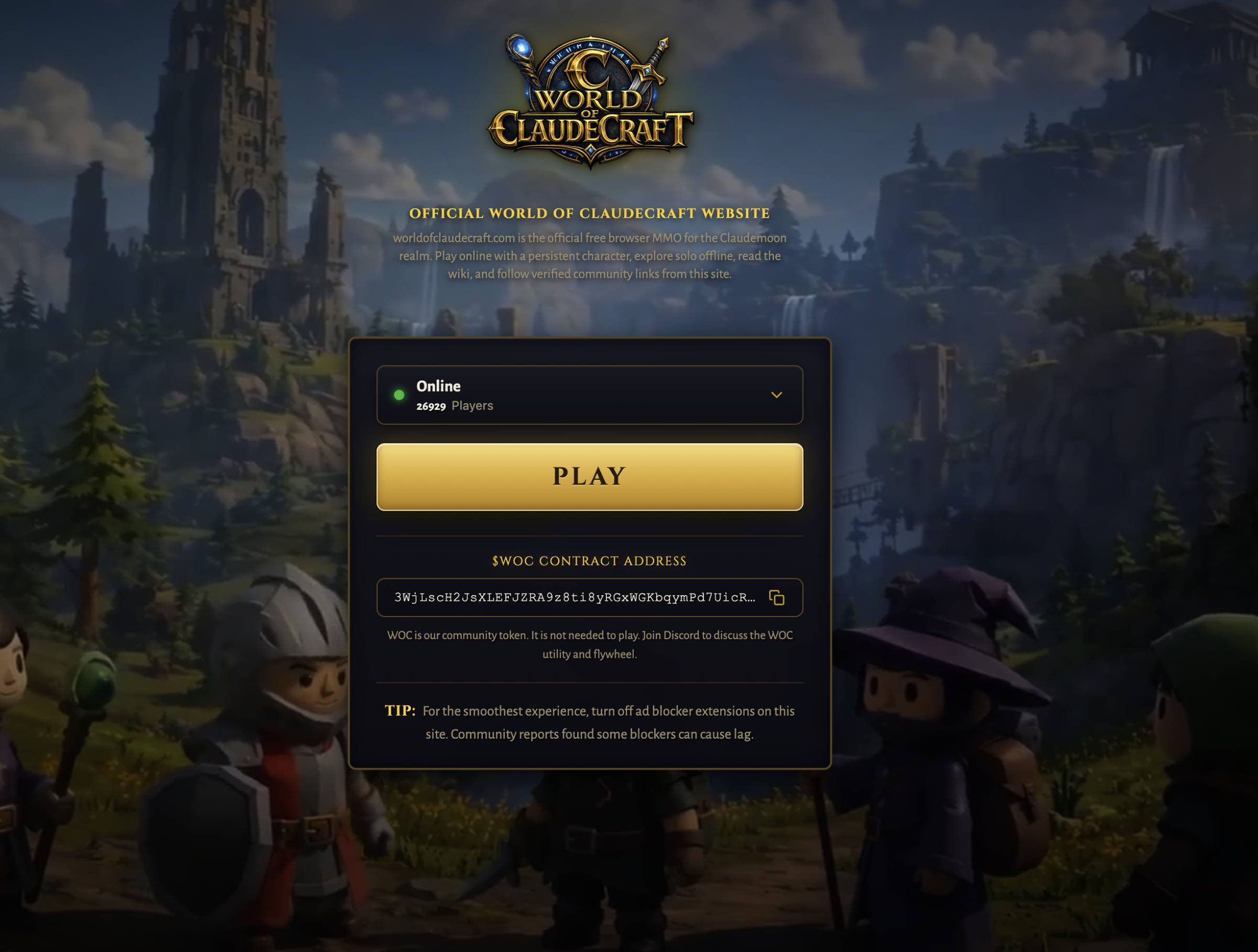 World of Claudecraft Website (Image © PCMasters.de)
There is a crucial difference between the game’s logic and its aesthetics. While the underlying code was generated by the LLM, the game’s visual identity relies heavily on existing, free assets created by human artists. These existing assets were integrated and supplemented with AI-generated content to fill gaps in the world design.
The game is currently publicly accessible via a web browser and offers both a standalone offline mode and a multiplayer experience. For those seeking better performance, a downloadable client is also available. The project has already attracted a substantial user base, with nearly 27,000 active players in the game world. Although access to the game is free, the developer has implemented a monetization strategy based on the sale of cosmetic items and a system for accepting donations from the community.
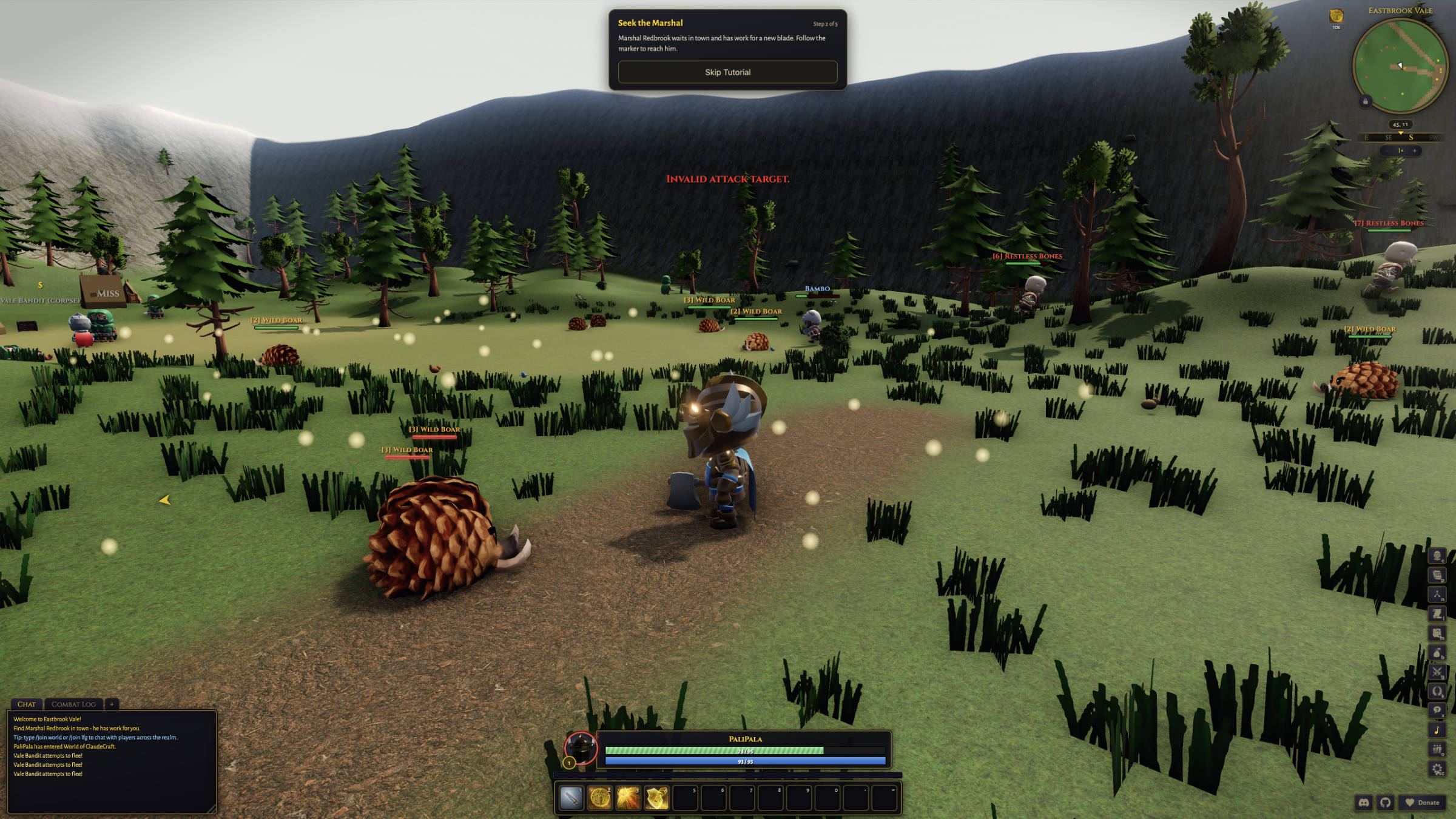 World of Claudecraft Game (Image © PCMasters.de)
Ethical Considerations and Community Feedback
The release of “World of Claudecraft” has sparked a debate within the developer community, particularly on platforms like Hacker News. Some observers view the project as a milestone that enables individuals to bring complex game ideas to life without extensive programming knowledge.
Other critics, however, point to the ethical implications associated with the use of human-created asset packs without explicitly crediting the creators. At the heart of the discussion is the tension between the efficiency of AI and the recognition of human artists, whose work forms the essential visual framework for such AI-driven projects.
Furthermore, it is unclear how complete and tested the game actually is. AI can very well complete up to 80% of a project, but the remaining 20% is often much more difficult and error-prone, and consequently takes much more time. This aspect is rarely highlighted.