
 Computer Forum
[page “CMOS Battery”]
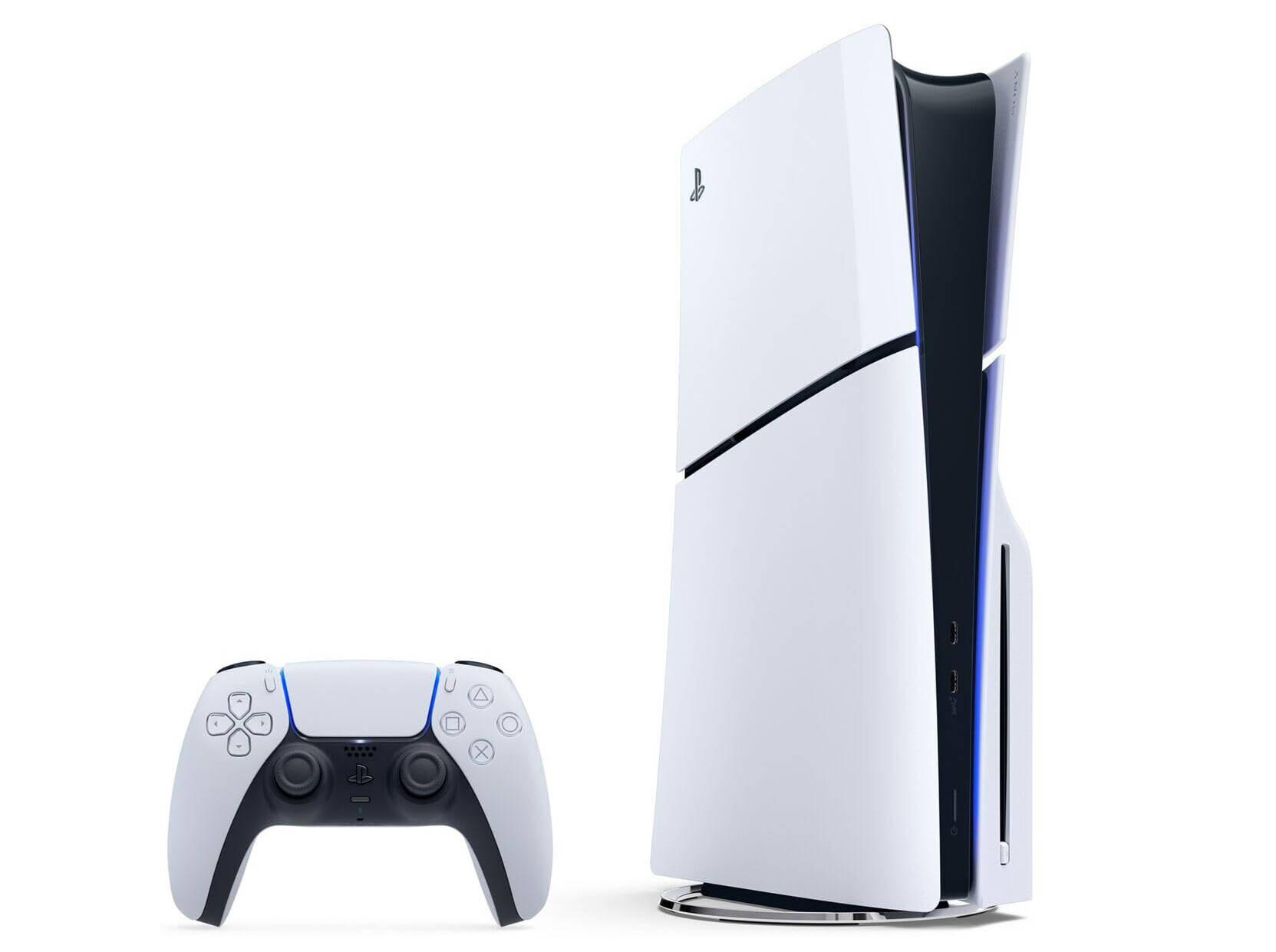 PlayStation 5 Slim (Image © Sony)
Easier Access to the CMOS Battery
One of the most important mechanical improvements in the EDM-051 revision is the relocation of the CMOS battery. In earlier versions of the PlayStation 5 hardware, replacing the CR2032 battery required completely removing the mainboard—a complex procedure that increased the risk of accidental damage during repair.
The new revision adopts a design similar to that of the PlayStation 5 Pro and places the battery in a more accessible location. The CMOS battery is essential for maintaining the internal system clock and managing license information. Although this component typically lasts several years, the new placement ensures that future replacement work can be performed without extensive disassembly of the system.
[page “Liquid Metal”] ## Solution for Leaking Liquid Metal The most significant technical change concerns the cooling system and the containment of the thermal interface material. To improve heat dissipation, the console uses liquid metal; however, in earlier models, this material could potentially leak out of the processor area. Such leaks have been linked to electrical short circuits and total system failure in some devices.

Revision EDM-051 introduces a redesigned shielding system around the processor, modeled after the PlayStation 5 Pro’s architecture. This improved barrier more effectively contains the liquid metal, prevents it from migrating away from the chip, and significantly reduces the risk of hardware short circuits. In conjunction with the new shielding, the heat sink has also been modified to optimize thermal performance and stability.
The redesigned hardware is currently available in select bundles, most notably the “Marvel’s Wolverine” Edition. It is still unclear when this redesign will become standard for all PlayStation 5 Slim units produced.