
 Computer Forum
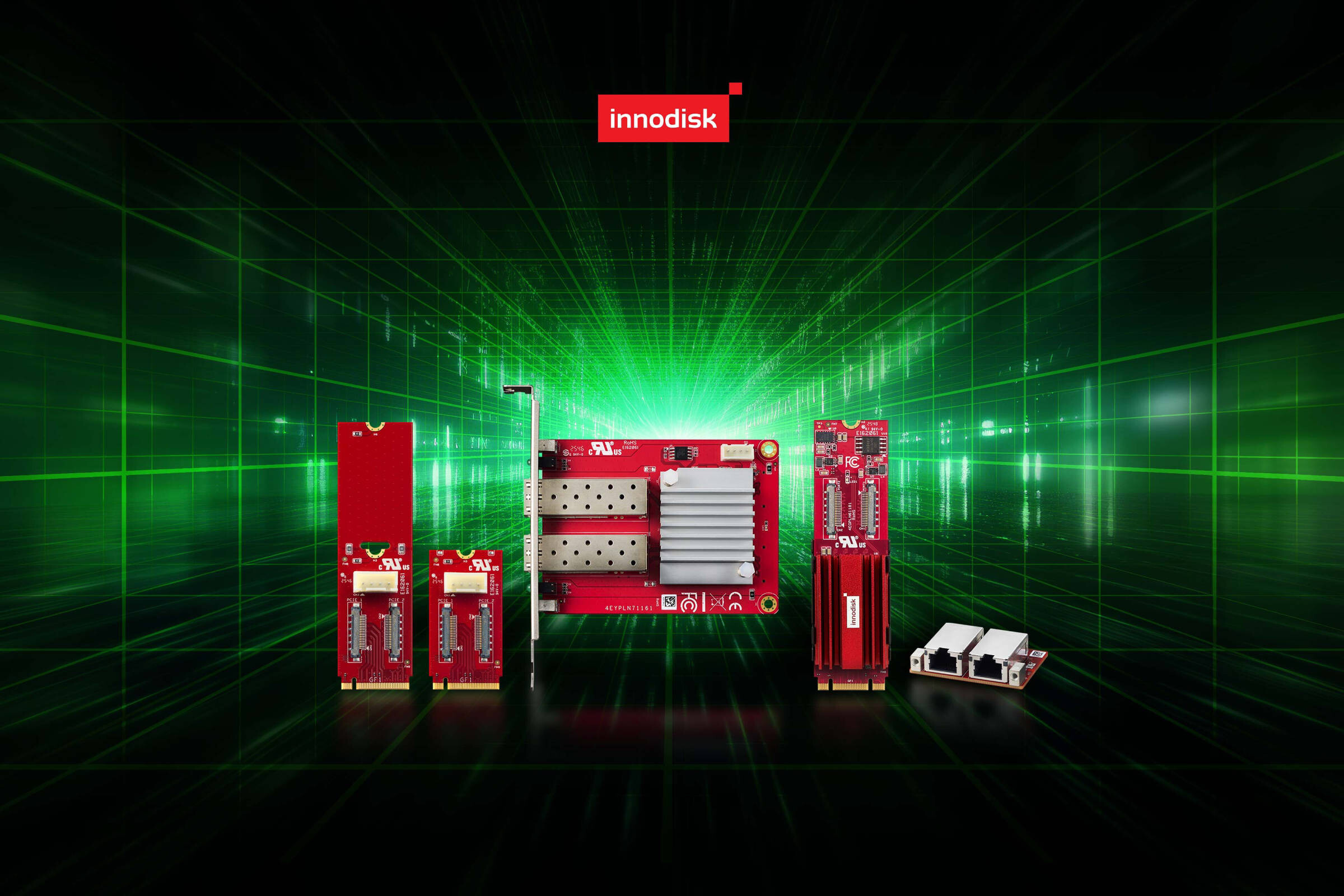 Innodisk 10 GbE LAN Serie Release (Image © Innodisk)
The 10-GbE LAN series is available in M.2 and PCIe form factors and integrates technologies such as DPDK, PTP, and SR-IOV to provide high-throughput, low-latency connectivity. This is achieved through Intel E610/X710 Ethernet controllers, which support advanced packet processing and time synchronization. The modules are optimized for applications such as AI inference, the coordination of autonomous guided vehicles (AGVs), image processing systems for smart factories, and surveillance using network video recorders (NVRs).
The series is designed for seamless integration and offers variants in M.2 2242, M.2 2280, and PCIe Low-Profile formats, ensuring compatibility with a wide range of embedded systems. A daughter-card architecture combined with high-speed shielded cables reduces integration complexity and enables flexible deployment in space-constrained environments. Certain models are designed for a wide temperature range (-40°C to 85°C), ensuring reliability in outdoor and industrial environments such as factory automation.
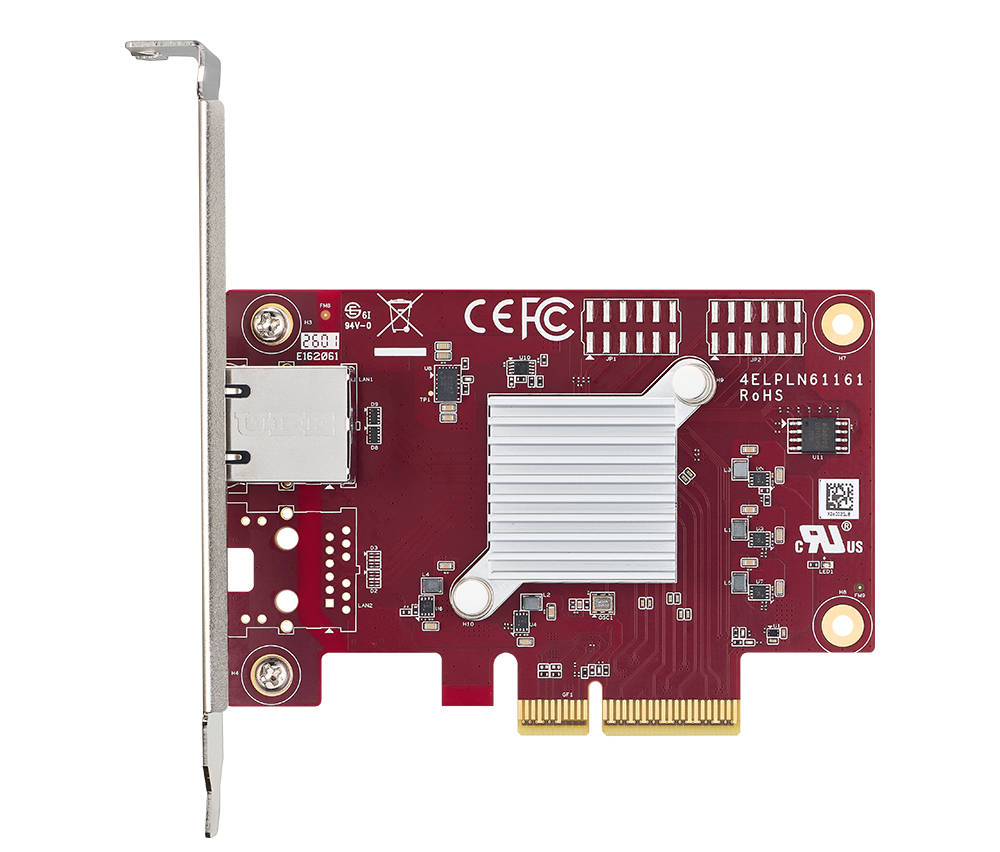 Innodisk 10 GbE LAN Serie (Image © Innodisk)
The series includes several industry-unique M.2 designs. The EGPL-T203 is the first dual-port 10GbE LAN module in the M.2 form factor with support for a wide temperature range, while the EGPL-T2F1 is the first M.2-based SFP+ module to receive the “Best in Show Award” at Embedded World 2026. These models support optical and direct-attach copper SFP+ modules for high-speed fiber-optic connections. Additional configurations such as the EGPL-T103, ELPL-T101, and ELPL-T201 offer further customization options for a wide range of application scenarios.
By combining compact form factors with powerful networking capabilities, Innodisk’s 10GbE LAN series aims to optimize the development of efficient edge AI systems. The modular design and compatibility with virtualized environments make the series a scalable solution for the evolving demands of industrial and commercial networking.