
 Computer Forum
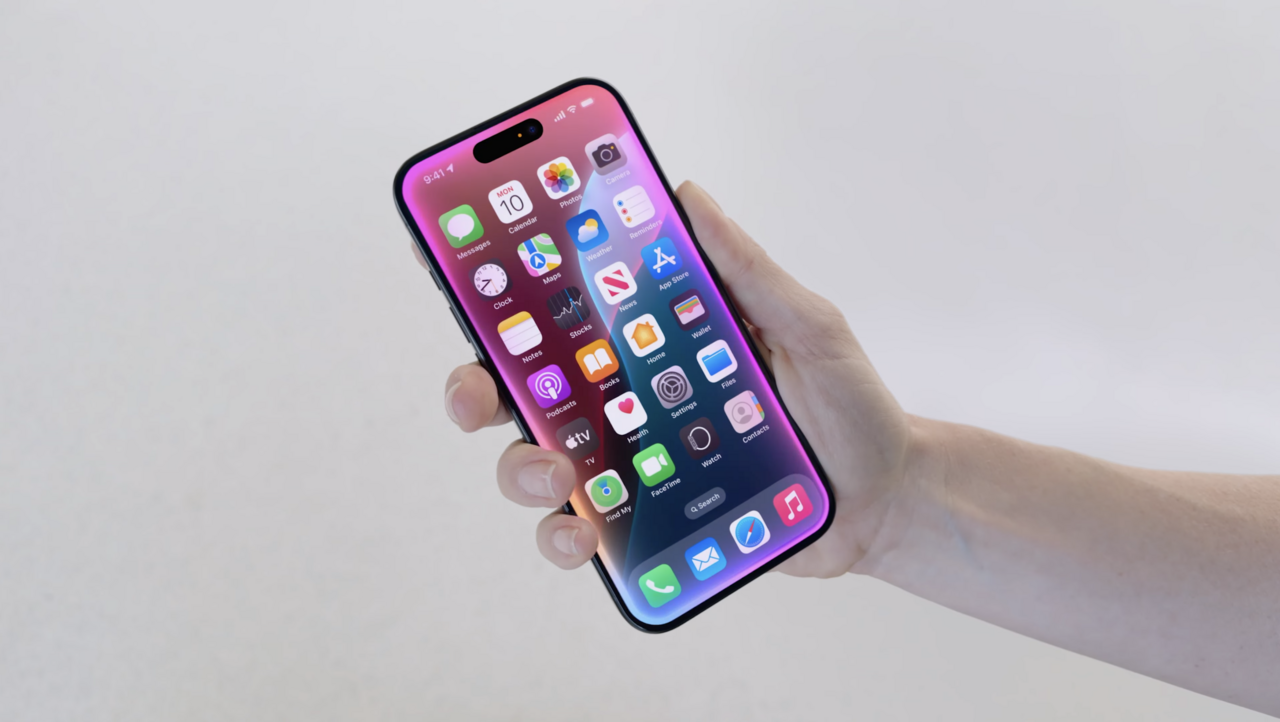 Apple zeigt überarbeitete Siri (Image © Apple)
Advanced context awareness and app control
The updated Siri will go beyond simple commands and utilize personal context. By accessing the user's emails, messages and files, the assistant will be able to track specific information and retrieve data on demand. This also extends to screen awareness, where Siri can identify content currently on the screen and perform actions based on this information, such as transferring a photo or updating a contact.
Siri will also receive extended app integration. This will allow the assistant to perform complex workflows across different applications, such as editing a photo and then sharing it, or calculating a travel time and sending the estimated time of arrival via a messaging app. This functionality will be available for both native Apple apps and third-party software.
System interface and interaction model
The user interface is currently undergoing a transformation with Dynamic Island at the center. A new search or question function is triggered by swiping down from the center of the display and replaces the previous Siri suggestions. When active, the Dynamic Island displays a glowing animation and expands into a transparent results card with web information, images or notes.
To accommodate this new gesture, Apple is adapting the navigation on the home screen. To access the Notification Center, you now have to swipe down from the left-hand side of the screen, while the Control Center remains accessible from the right-hand side. In addition, a dedicated Siri app will be introduced for longer, back-and-forth conversations.
Technical infrastructure and data protection
To drive these advances, Apple has entered into a multi-year agreement with Google to use Gemini AI models as the foundation for its base models. This partnership provides the underlying technology needed for the more personalized version of the Assistant.
In terms of data protection, the system is designed to focus on processing on the device itself to minimize data transfer. For tasks that require the cloud, Apple will use Private Cloud Compute. Users will have detailed control over their data, including the ability to set timers for automatic deletion of chat history or disable AI features entirely.
Compatibility and release schedule
The enhanced AI features are expected to require the hardware performance of the iPhone 15 Pro or newer models. The rollout schedule begins with a preview at the WWDC 2026 keynote on June 8. Developer betas for iOS 27, iPadOS 27 and macOS 27 are scheduled for the same day, with public betas following in July. The final software version is scheduled for release in September.