
 Computer Forum
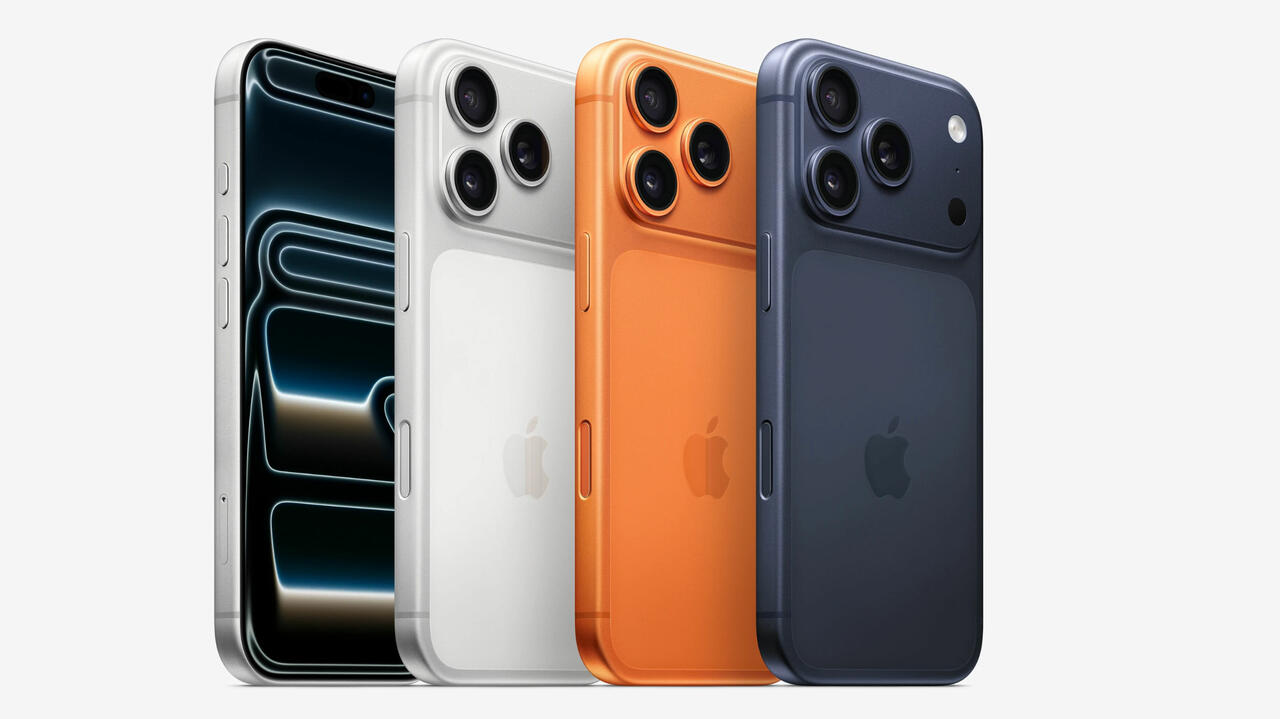 iPhone 17 Pro Modelle (Image © Apple)
Component shortages and the influence of AI
The main reason for the price fluctuations is the surge in demand for high-performance memory and storage chips from artificial intelligence companies. This industry-wide competition has led to a shortage of supply, which is driving up prices for all manufacturers.
Industry data from TechInsights suggests that the impact could be significant: it is estimated that the iPhone 18 Pro would need to cost around $270 more than previous models to maintain current margins. While iPhones are the main focus, price pressure is expected to spread to the Mac and iPad ranges in the near future.
Current price changes and hardware strategy
Apple has already begun to adjust its product tiers to mitigate these costs. One notable example is the Mac mini, where the entry-level price increased from $599 to $799 after the company discontinued the lowest-end model. In addition, several high-end configurations for the Mac Studio and the Mac mini were dropped from the range.
The challenge is exacerbated by the technical requirements of modern software. To support new AI-powered features, Apple needs to increase the DRAM capacity in its devices, which drives up unit costs in times of limited availability.
Dynamics in the supply chain
While major chip manufacturers such as Micron, Samsung and SK Hynix are increasing their overall production capacity, the majority of this new production is going into server chips for data centers and not consumer electronics. As a result, consumer device manufacturers are competing for a smaller share of the available supply.
Apple has stated that it will use its cash reserves to stabilize its storage supply. However, the company has ruled out the possibility of building its own memory or storage media factories, preferring to maintain its current model of outsourced manufacturing. In addition, Apple appears reluctant to enter into such aggressive, multi-year upfront payment agreements that give AI companies priority access to chips.
Impact on the overall market
The pricing pressure Apple is facing is part of a broader trend across the technology sector. Several other major hardware and software vendors, including Microsoft, Sony, Dell and Samsung, have already raised the prices of their products in response to the changing cost of raw materials and components.