
 Computer Forum
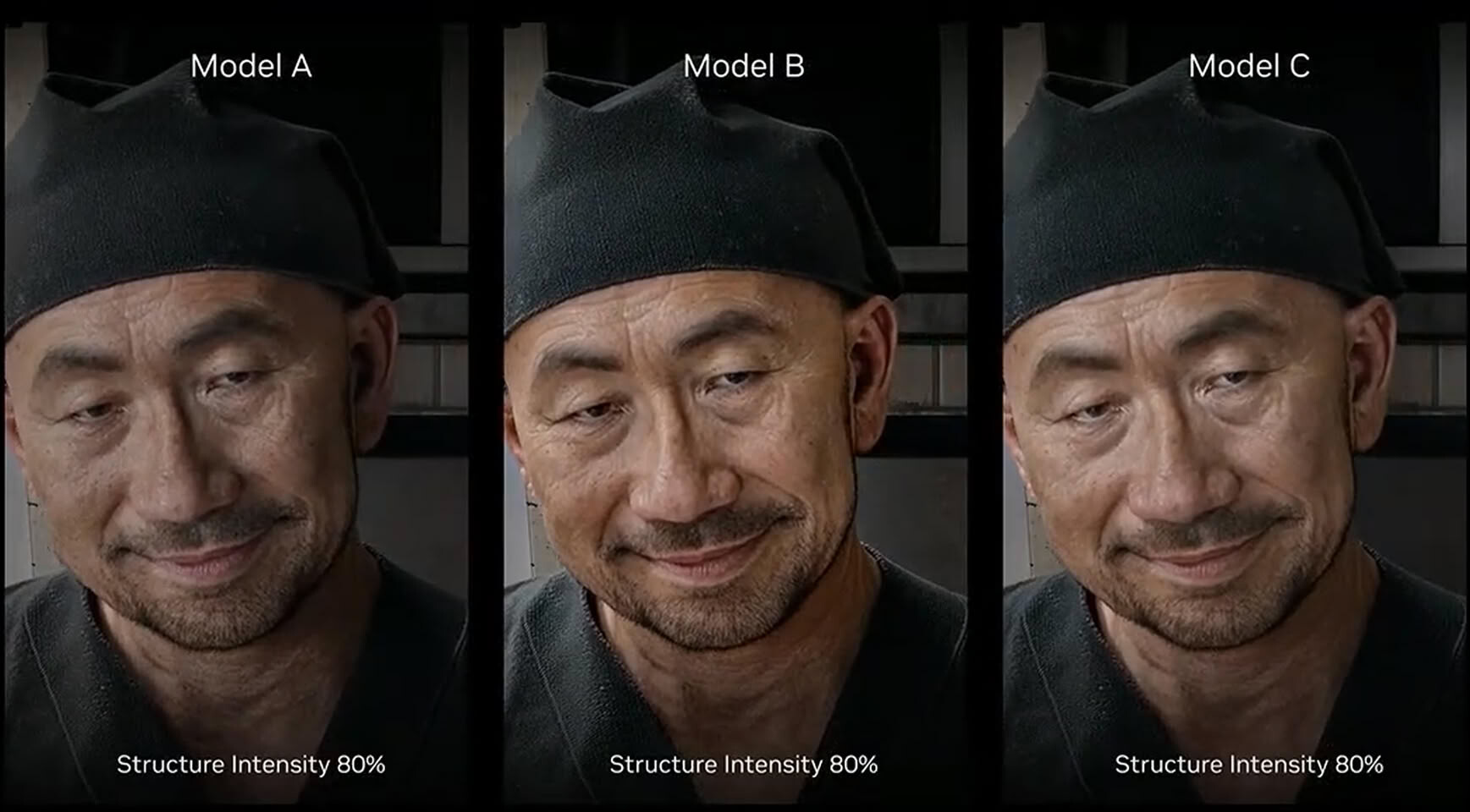
A key feature of the DLSS 5 architecture is the introduction of three distinct models, referred to as Model A, Model B, and Model C. These models offer different levels of structural intensity, global illumination, and texture detail. This modularity allows game developers to select and combine specific models according to the requirements of a particular scene or character.
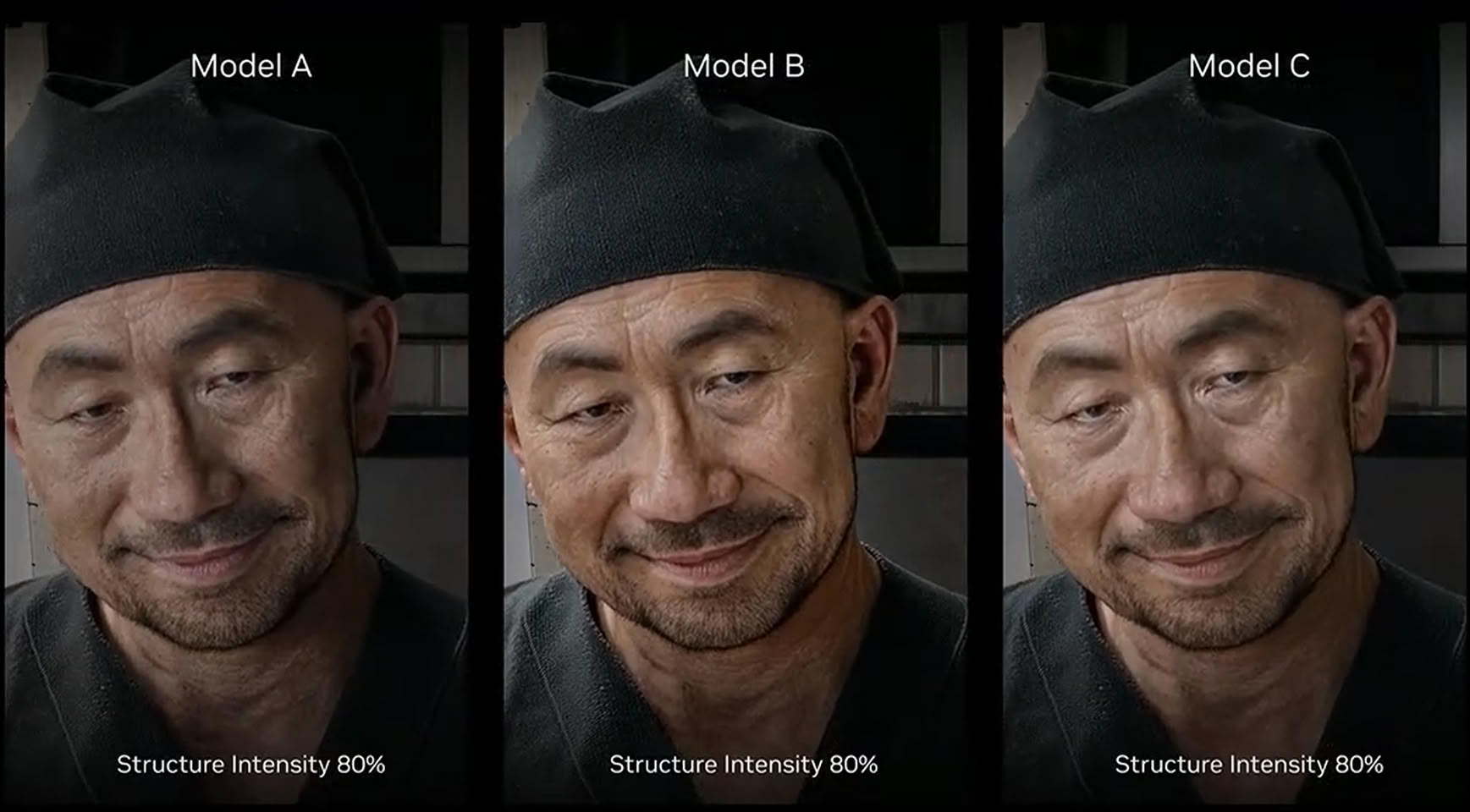 NVIDIA DLSS 5 Demo Model A B C (Image © TechPowerUp)
Each model differs in the number of parameters, which directly affects the demand for computational and memory resources. Despite these differences in intensity, NVIDIA explained that the technology is designed to operate efficiently on a single GPU.
Preserving the Artistic Vision
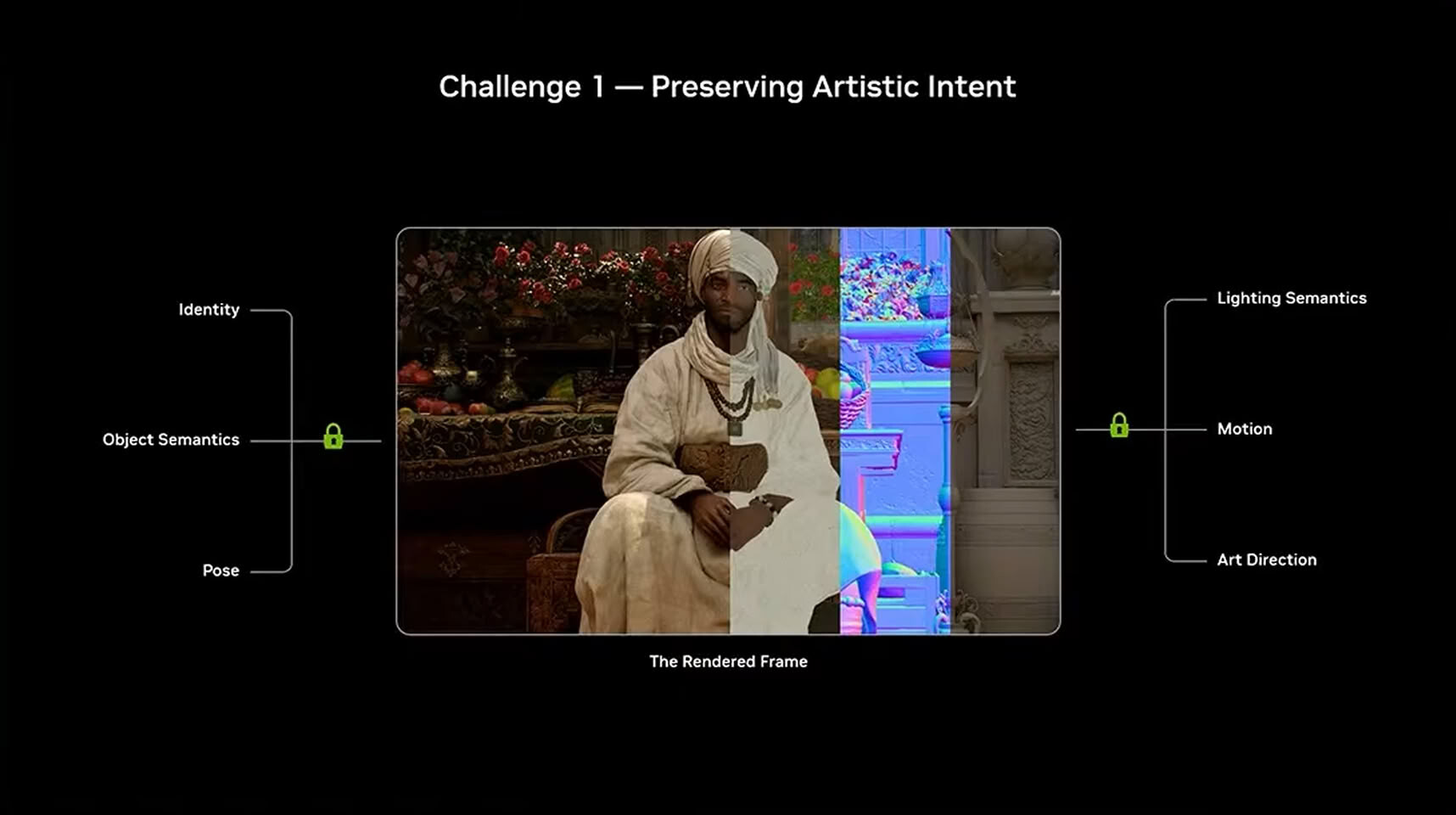
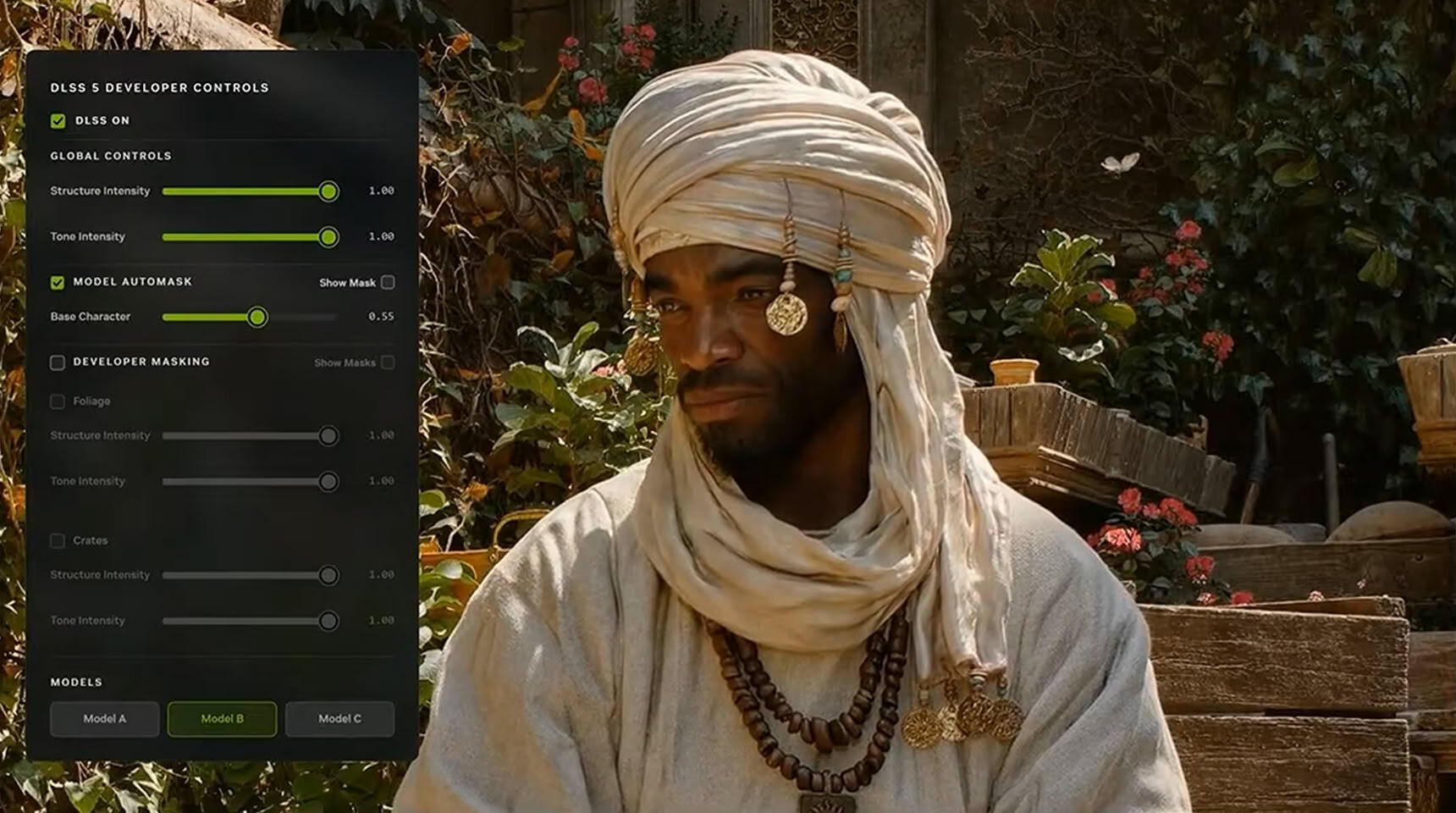
In response to earlier criticism regarding visual consistency, NVIDIA has implemented tools to ensure that neural rendering does not override the developer’s original artistic vision. The system is designed to preserve object semantics, character poses, movements, and lighting semantics while applying photorealistic materials.
Developers have access to customizable parameters on a scene-by-scene and character-by-character basis, ensuring that the final result aligns with the game’s intended artistic direction.






Temporal Streaming and Real-Time Generation
To address the latency issues associated with traditional generative AI videos, where frames are typically processed in batches or blocks, DLSS 5 utilizes temporal streaming for instant frame-by-frame generation. By leveraging motion vectors provided by the game engine, the system can generate textures instantly and without delay. This approach aims to eliminate common artifacts such as image distortion and flickering.
Hardware Requirements
Technical demonstrations showed that DLSS 5 can support 4K rendering at over 60 frames per second (FPS), with each frame processed in less than 16 milliseconds. NVIDIA pointed out that the majority of this processing time is taken up by the game engine itself rather than the DLSS 5 model, suggesting minimal overhead. In the first demo, a separate GeForce RTX 5090 was used to implement DLSS 5. The extent to which this is an improvement remains unclear.
Although the company highlighted the system’s VRAM efficiency, specific minimum memory requirements for 4K gaming have not yet been announced. The technology is scheduled to launch this fall; the full system requirements will be announced at that time.