
 Computer Forum
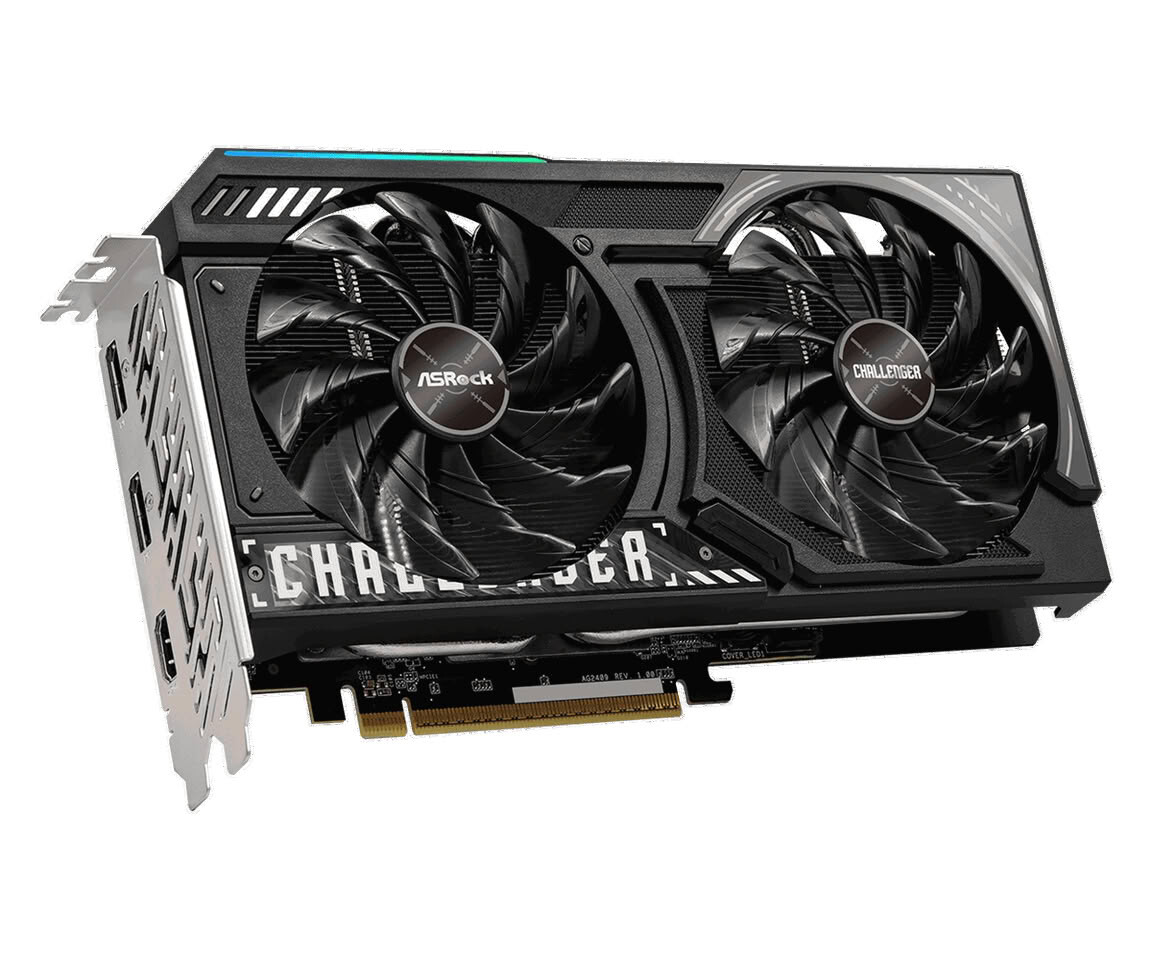 ASrock Radeon RX 9050 Detail (Image © Techpowerup)
Radeon RX 9050 Specifications
Both versions of the Radeon RX 9050 feature the same core hardware. The GPUs are equipped with 1,024 streaming processors distributed across 16 compute units. In terms of clock speeds, both models reach a boost frequency of up to 2.6 GHz. The main difference between the two variants lies in their memory subsystems. The 4-GB model uses GDDR6 memory on a 64-bit bus, resulting in a total memory bandwidth of 144 GB/s.
In contrast, the 8-GB variant features a 128-bit bus with 8 GB of GDDR6 memory. This configuration doubles the data throughput compared to the entry-level model and offers a memory bandwidth of 288 GB/s.
AMD Radeon RX 9060 Challenger 8GB (RX9060 CL 8G)
- Boost Clock: Up to 2990 MHz / 18 Gbps
- Game Clock: 2400 MHz / 18 Gbps
- AMD Radeon RX 9060 GPU
- 8 GB GDDR6 on a 128-bit memory bus
- AMD RDNA 4 architecture
- 28 compute units (3rd Gen RT + 2nd Gen AI Accelerators)
- Microsoft DirectX 12 Ultimate
- PCI Express 5.0 Support
- 1 x 8-pin Power Connector
- 2 x DisplayPort 2.1a / 1 x HDMI™ 2.1b
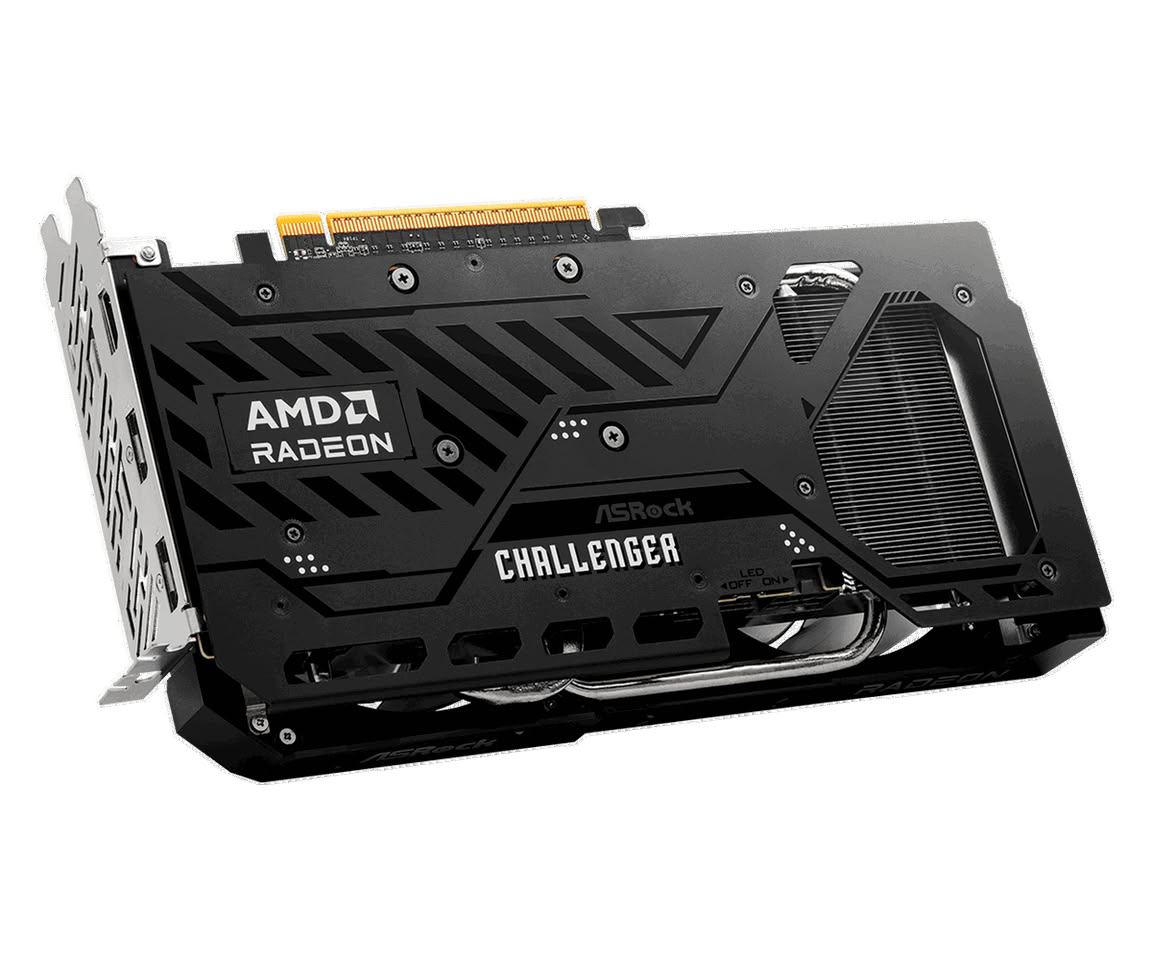 ASrock Radeon RX 9050 Rückseite (Image © Techpowerup)
AMD Radeon RX 9050 Challenger 4GB (RX9050 CL 4G)
- Boost Clock: Up to 2600 MHz / 18 Gbps
- Game Clock: 1920 MHz / 18 Gbps
- AMD Radeon RX 9050 GPU
- 4GB GDDR6 on a 64-bit memory bus
- AMD RDNA 4 architecture
- 16 compute units (3rd Gen RT + 2nd Gen AI accelerators)
- Microsoft Direct® 12 Ultimate
- PCI Express 5.0 support
- 1 x 8-pin power connector
- 2 x DisplayPort™ 2.1a / 1 x HDMI
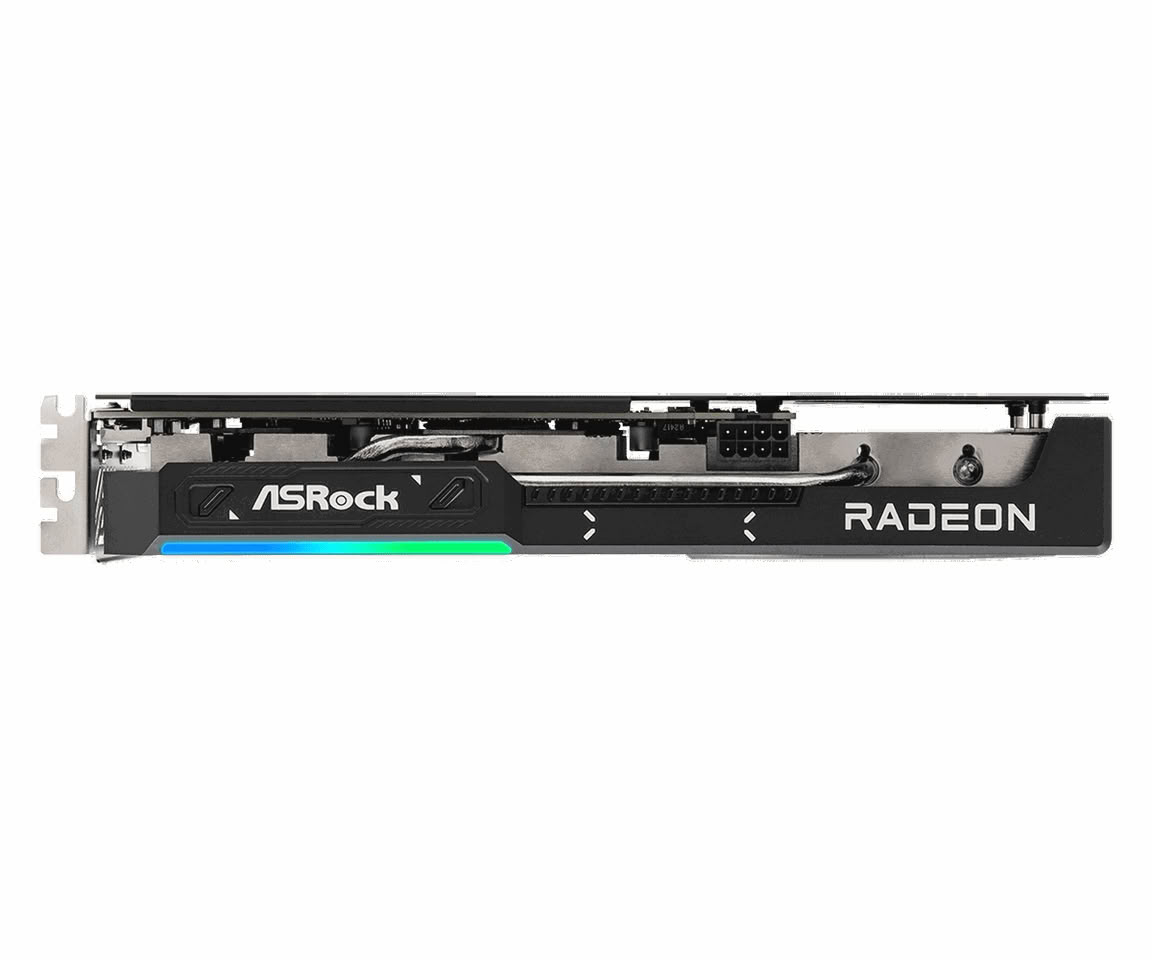 ASrock Radeon RX 9050 Profil (Image © Techpowerup)
ASRock has established itself as one of the key launch partners and has developed the Challenger series for both the 4 GB and 8 GB versions of the RX 9050. The ASRock Challenger models feature an all-black design with dimensions of 249 x 132 x 41 mm. In terms of power requirements and installation, ASRock specifies a power supply of at least 450 W and requires a single 8-pin PCIe power connector for operation. Information regarding official retail prices, market availability, and the thermal design power (TDP) of these graphics cards has not yet been released.