
 Computer Forum
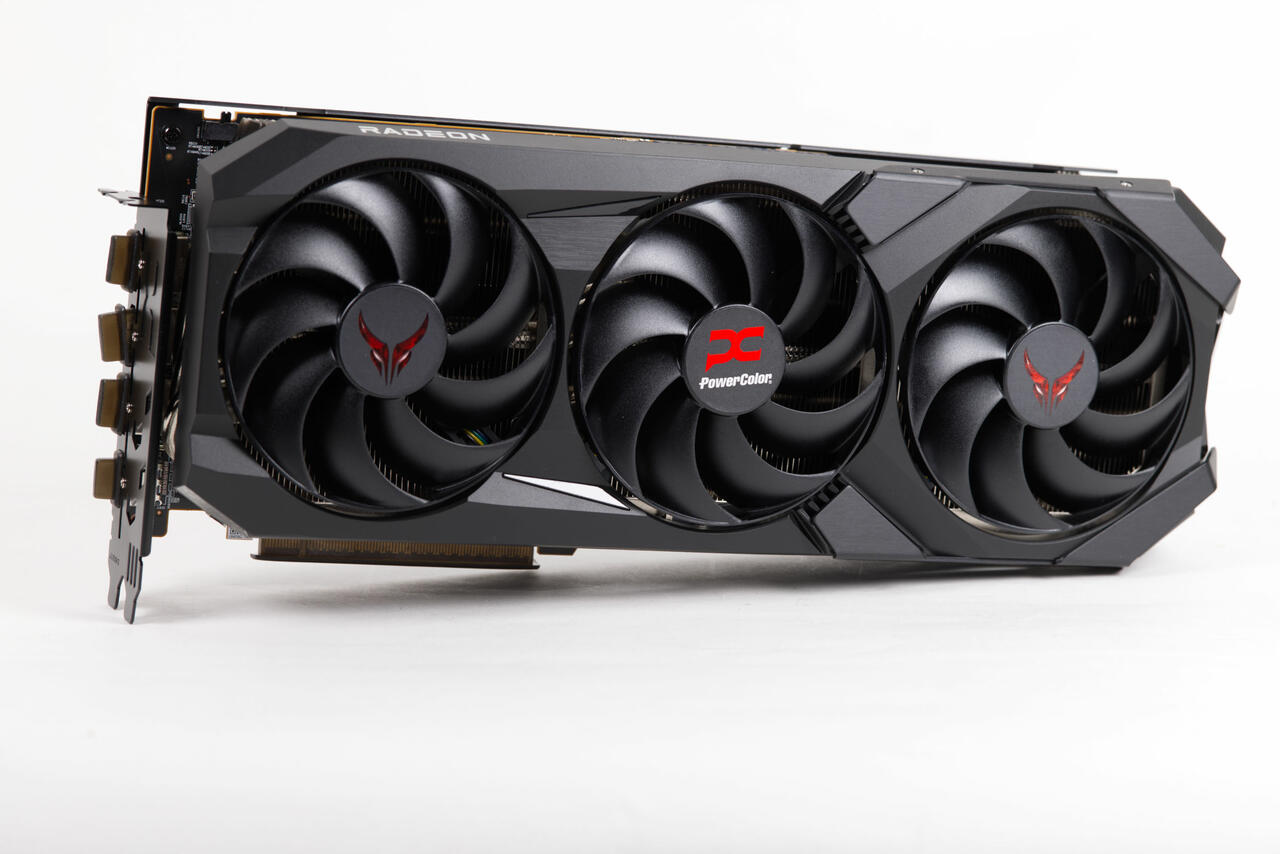 PowerColor Radeon RX 9070 XT Red Devil Fazit (Image © PCMasters.de)
The price adjustments are due to ongoing shortages of GDDR6 memory. AMD’s production process involves sourcing GPU chips from TSMC and coordinating with memory suppliers such as Samsung, Micron, and SK Hynix. These components are bundled into GPU kits before being forwarded to add-in board (AIB) partners for final assembly and sale. Since the cost of these kits is heavily influenced by the availability and prices of memory chips, the shortage has necessitated a significant double-digit percentage increase in the costs passed on to AIB partners.
The extent of the price increase is expected to vary depending on the amount of video RAM (VRAM) installed in each model. Since higher VRAM capacities require more GDDR6 chips, high-end models, such as the Radeon RX 9070 XT 16 GB (Review), are expected to see price increases exceeding the 10-percent baseline. Conversely, for entry-level models or OEM-exclusive versions with lower memory capacity, such as the Radeon RX 9050 4 GB, the price increase is expected to be closer to the 10 percent minimum threshold due to their lower reliance on memory components.
Competitive Pricing Strategy
According to reports, AMD has timed this move to coincide with the price changes implemented by NVIDIA. By adjusting its strategy in collaboration with its AIB partners, AMD intends to match NVIDIA’s pricing in competing product categories. Currently, the RDNA 4 product line is primarily positioned for the mid-range segment of the market. The company still lacks a high-end hardware solution that can compete directly with NVIDIA’s top GPUs in terms of both absolute performance and pricing power.