
 Computer Forum
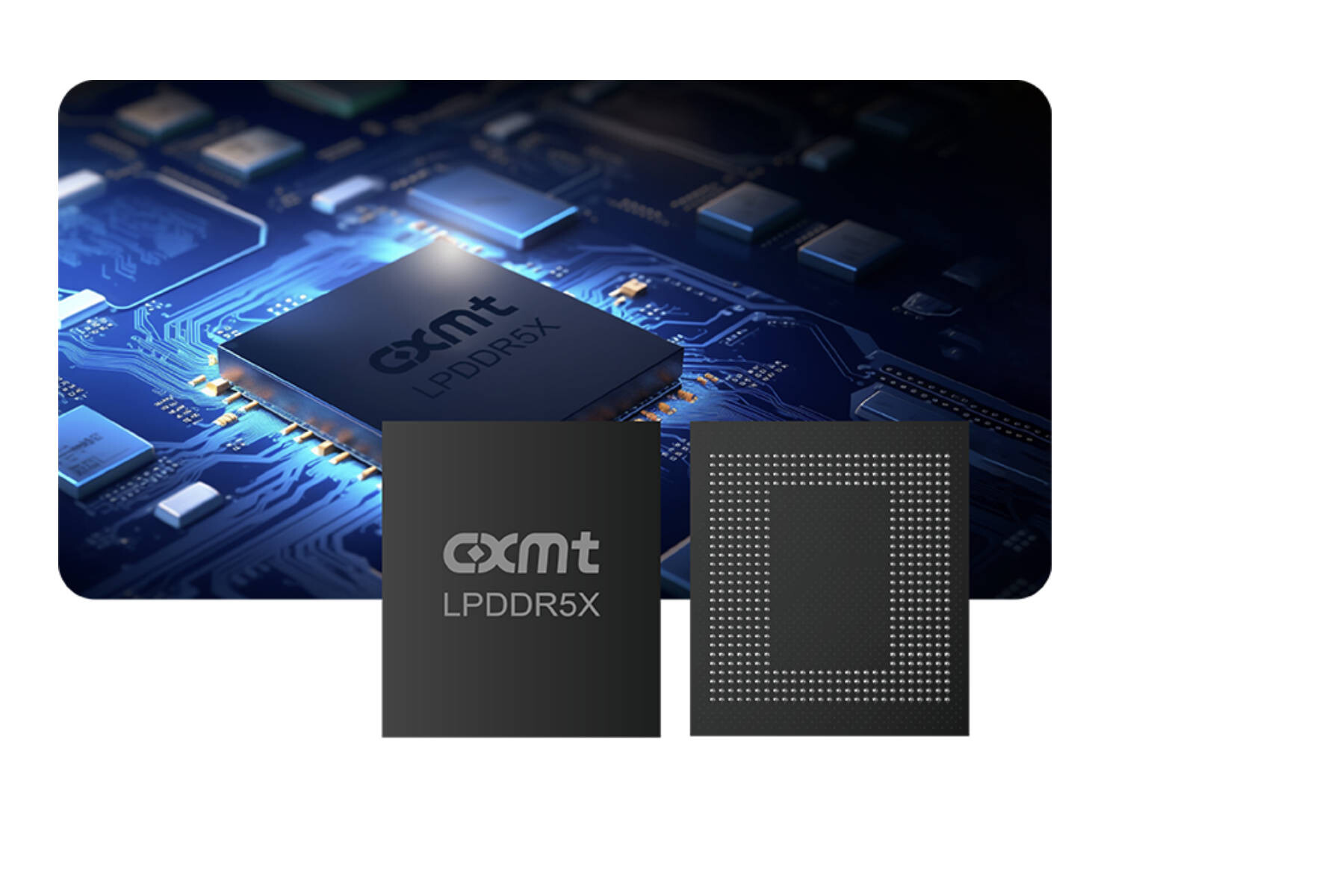 CXMT LPDDR5X (Image © CXMT)
Integration in the Xiaomi 18 Fold
The LPDDR6 RAM is expected to be used in Xiasi’s upcoming wide-folding smartphone, the Xiaomi 18 Fold. This integration is seen as a way to set the high-end foldable flagship apart from the competition. However, industry analyses suggest that its use will remain limited to small quantities. According to current estimates, total shipment volumes for the device—and thus also for the XRING-03 chipset—are unlikely to exceed 300,000 to 500,000 units.
Production Bottlenecks and Yield Challenges
Although CXMT has succeeded in advancing the development of LPDDR6 faster than larger competitors, significant hurdles remain in mass production. The company faces production bottlenecks attributable to strict U.S. trade restrictions.
These restrictions prevent the acquisition of modern lithography equipment and force CXMT to rely on outdated deep-ultraviolet (DUV) systems. The need to employ complex multi-patterning techniques to achieve smaller feature sizes typically results in higher production costs and lower yields compared to the processes used by industry leaders.
Despite its early lead in bringing LPDDR6 to market, CXMT’s ability to scale production remains a major concern. While the company has secured its first design wins with domestic manufacturers such as Xiaomi and Huawei, the lack of mass production could limit its impact on the broader global market. Industry analysts believe that while CXMT has achieved a technical milestone, larger companies such as Samsung, SK hynix, and Micron will likely quickly close the gap due to their superior manufacturing infrastructure and higher yield capabilities.