
 Computer Forum
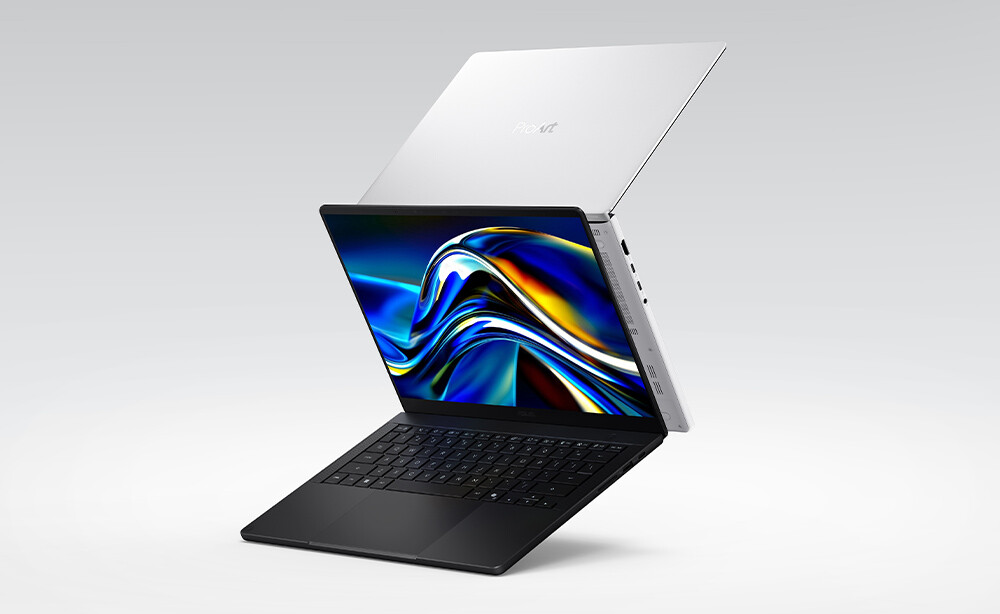 ASUS ProArt P14 (Image © ASUS)
NVIDIA RTX Spark
At the heart of the ProArt P14 and P16 is the NVIDIA RTX Spark platform. This highly integrated system utilizes NVIDIA NVLink C2C interconnect technology and fifth-generation Tensor Cores with FP4 support. By combining AI processing, RTX graphics, and unified memory in a Windows environment, the hardware enables a seamless transition between creative production, software development, and high-quality gaming.
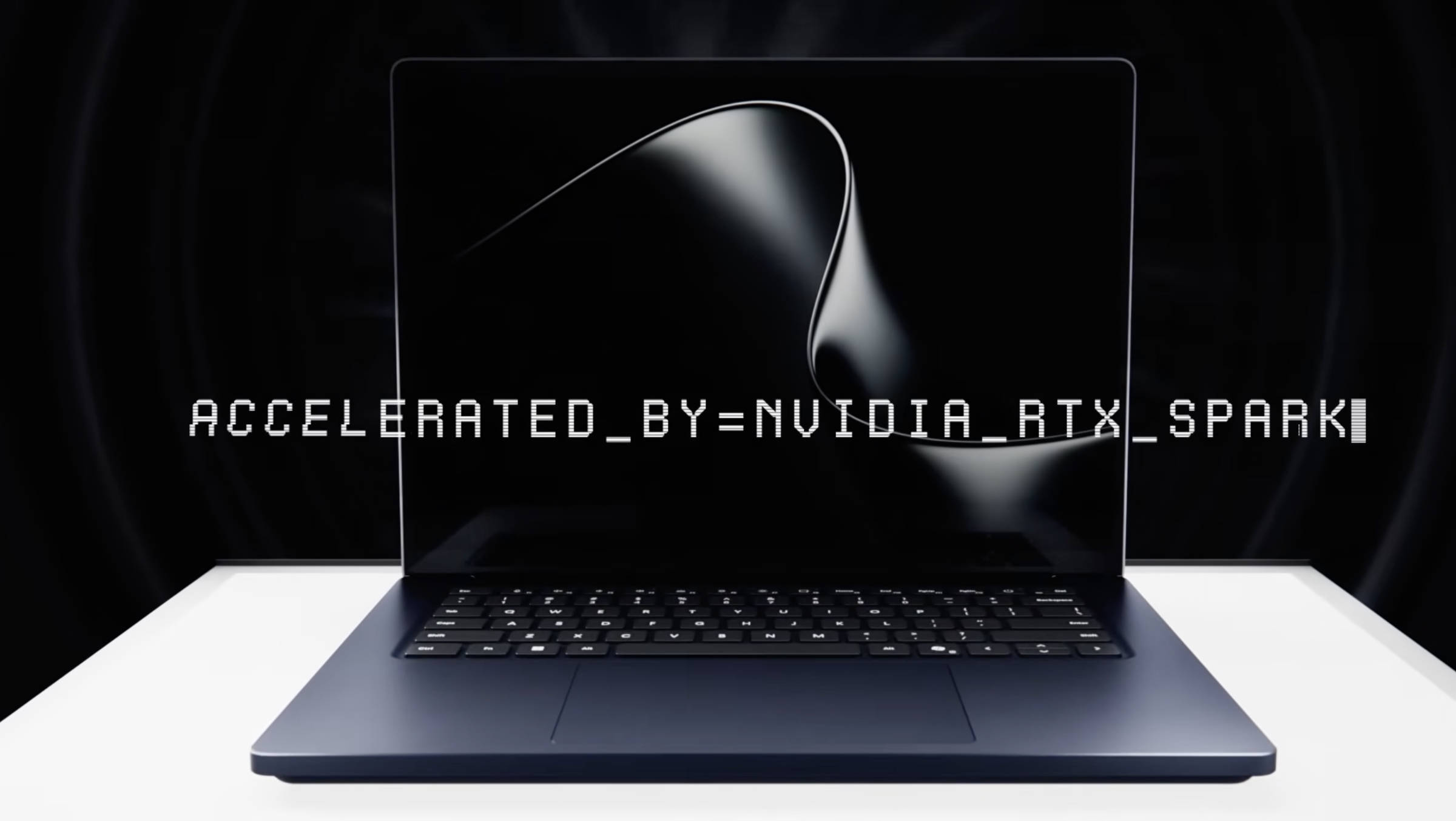 Microsoft Surface Laptop Ultra NVIDIA RTX Spark (Image © Microsoft)
The system offers up to 1 petaflop of AI computing power. Thanks to high-bandwidth unified memory, these laptops can handle complex tasks that typically exceed the capacity of standard PC memory. Depending on the specific model architecture and quantization, users can run large language models (LLMs), vision-language models, and complex 3D scenes locally. This capability also extends to LoRA adaptations and agent-based workflows.
Both laptops feature a CNC-milled chassis designed for portability without compromising structural integrity.
- ProArt P16: With a height of 12.9 mm and a weight of 1.77 kg, this model is the thinnest 16-inch laptop in the ProArt series. It has a battery capacity of up to 99 Wh.
- ProArt P14: Weighing 1.48 kg and measuring 13.9 mm in height, this model is the lightest in the series. It has a battery capacity of up to 90 Wh.
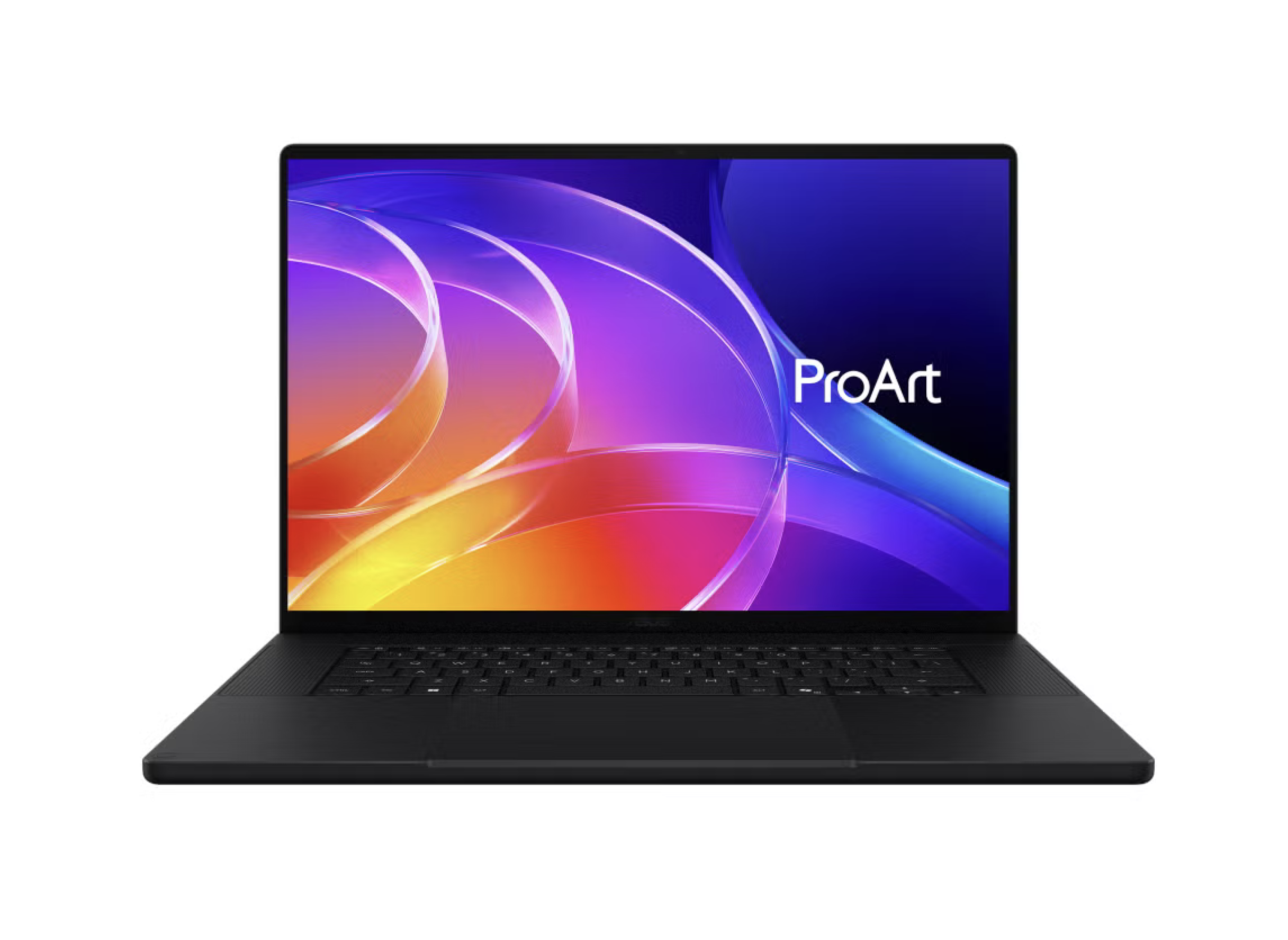 ASUS ProArt P16 (Image © ASUS)
The P14 and P16 series also use ASUS Lumina Pro OLED panels, which were developed for professional color grading and visual work. The technical specifications of the displays include:
- Color accuracy: Delta E < 1.
- Brightness: Peak brightness of up to 1,600 nits.
- Refresh rate: A variable refresh rate of 120 Hz.
- Anti-glare: Built-in technology to reduce screen reflections.
The ProArt P16 supports resolutions up to 4K and features NVIDIA G-SYNC technology, while the ProArt P14 supports resolutions up to 3K.
On-Device AI Implementation
The shift to on-device AI processing offers three key technical advantages: replacing variable cloud subscription costs with fixed hardware capacity, protecting intellectual property by storing prompts and project data on the device, and providing greater control over model behavior and the reproducibility of workflows.
ASUS has integrated several on-device AI tools into the ProArt ecosystem:
- MuseTree: Supports generative image creation using the FLUX and Wan models.
- StoryCube: Offers AI-driven scene recognition and intelligent asset management for organizing media.
- Zenni Claw: An AI agent designed for productivity and device control.
Open-Source Integration
The ProArt laptops support an open ecosystem through the integration of ComfyUI and the Hermes agent. Hermes, developed by Nous Research, is an autonomous open-source AI partner that can execute tasks across desktop applications and end devices using a persistent storage system. Through the “Hermes Skill,” users can access local image and video generation using the FLUX and Wan models. ASUS is also collaborating with ComfyUI to provide verified workflows for visual AI creation.
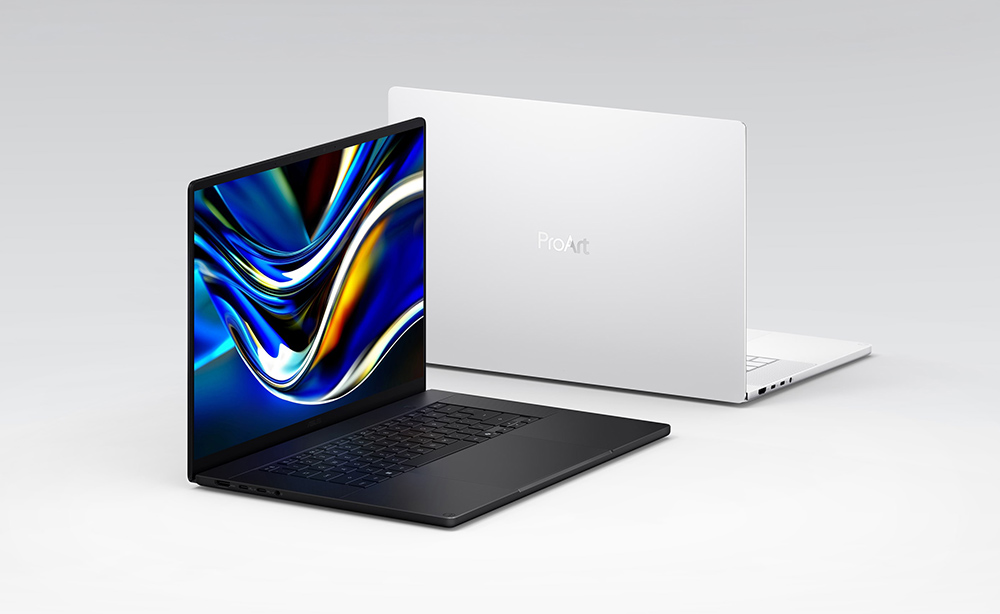 ASUS ProArt P16 Laptops (Image © ASUS)
ProArt GR1X Mini PC and Expanded Portfolio
In addition to the laptops, ASUS will launch the ProArt GR1X Mini PC later this year. This compact device (150 x 150 x 51 mm) also utilizes the RTX Spark architecture and is designed for continuous operation in studio environments. Its technical specifications include:
- Cooling: Dual-fan cooling system.
- Connectivity: 10-Gigabit Ethernet, Wi-Fi 7, and Bluetooth 5.4.
- Expansion Options: Two M.2 SSD slots and support for up to four 4K displays.
This hardware is part of a broader ASUS AI portfolio, which includes systems featuring GeForce RTX 50 Series GPUs (including the RTX 5090), the ASUS Ascent GX10 with NVIDIA DGX Spark, and the ASUS ExpertCenter Pro ET900N G3 with NVIDIA DGX Station.
Pricing and Availability These are supposedly the laptops that people bought for the AI bot—at least if we go by what NVIDIA came up with in their fever dream. The ProArt P14 and the ProArt P16 are now available for pre-order in Germany, and it’s unclear how many units will be available. Prices range from €2,999 to €3,299.
- ASUS ProArt P14: Manufacturer’s suggested retail price of €3,299. Shipping begins on October 16, 2026.
- ASUS ProArt P16: Manufacturer’s suggested retail prices start at 2,999 EUR. Shipping begins on October 16, 2026.
-
ProArt GR1X Mini-PC: The launch is planned for later this year.