
 Computer Forum
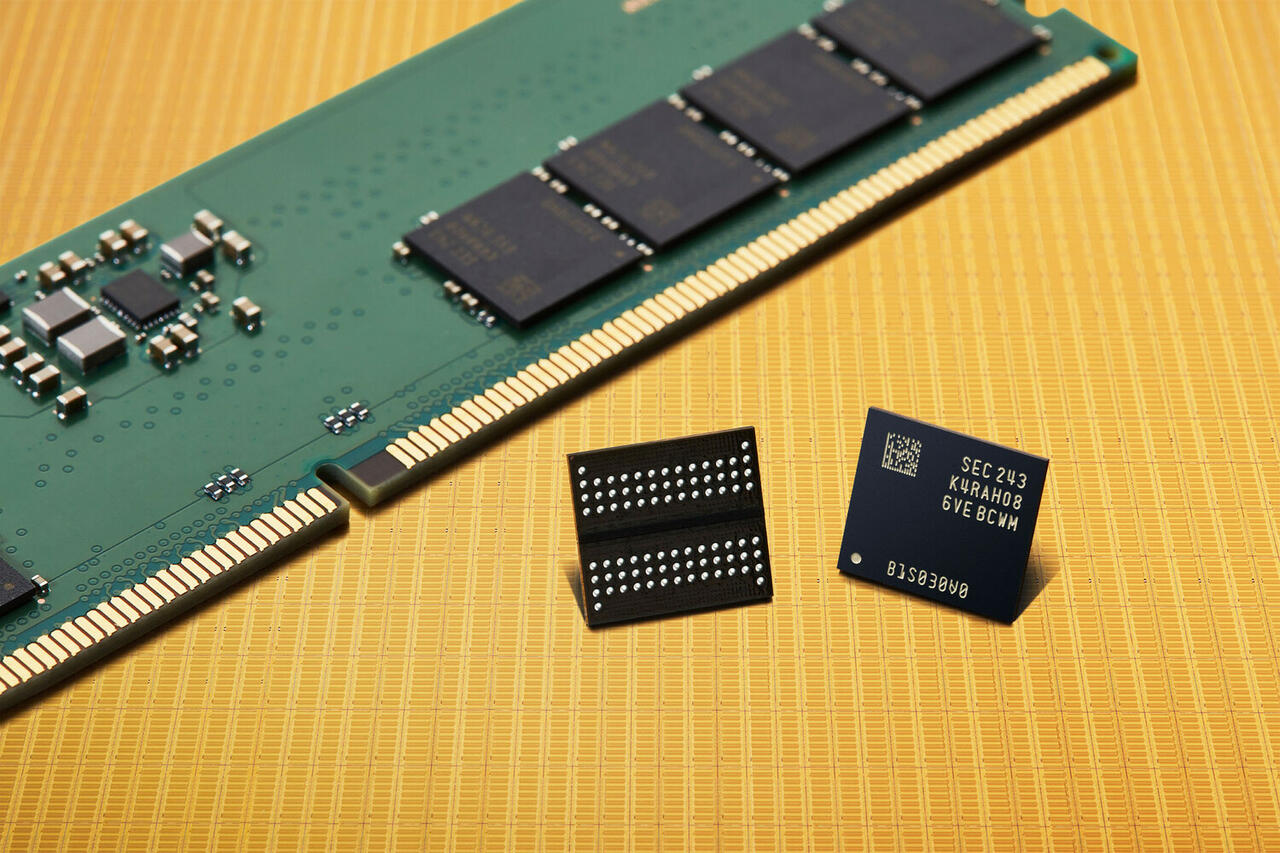 12nm-DDR5-DRAM-Chip (Image © Samsung)
The shortage has led to a significant bottleneck for hardware manufacturers, particularly for Dell. The company currently has a record-high order backlog for AI servers totaling approximately $95 billion. While demand for these systems remains exceptionally high, the ability to fulfill these orders is limited by the shortage of key memory components. AI accelerators require significant amounts of HBM to operate, while the surrounding server infrastructure relies on conventional DRAM. The inability to procure these components in sufficient quantities is the main reason for the delay in delivering these high-performance systems.
Long-Term Supply Chain Forecasts
Industry analysts and executives do not expect significant relief from this supply pressure in the immediate future. Building new memory factories typically requires a four-year development cycle. Consequently, a notable increase in global supply is not expected until 2029 or 2030.
This timeline is confirmed by executives at other major semiconductor companies. Micron has indicated that the supply situation in 2027 and 2028 will be significantly tighter than current levels, while SK hynix expects the shortage to persist until 2030.
Corporate Strategies to Mitigate the Impact
To address these bottlenecks, Dell has adjusted its procurement strategies. The company is increasingly relying on a just-in-time procurement model and purchases DRAM only when final system assembly is imminent. In addition, the company uses long-term supply contracts to ensure a more predictable flow of components, although it remains unclear to what extent these contracts secure products for end consumers.
Impact on the Consumer Market and Price Trends
The effects of the industry-wide memory shortage are already being felt in the consumer hardware market. Over the past 12 months, memory prices have risen by nearly 500%, impacting the entire DIY PC segment. These rising costs have forced hardware vendors to adjust their retail prices.