
 Computer Forum
 SearchGPT (Image © )
What is SearchGPT?
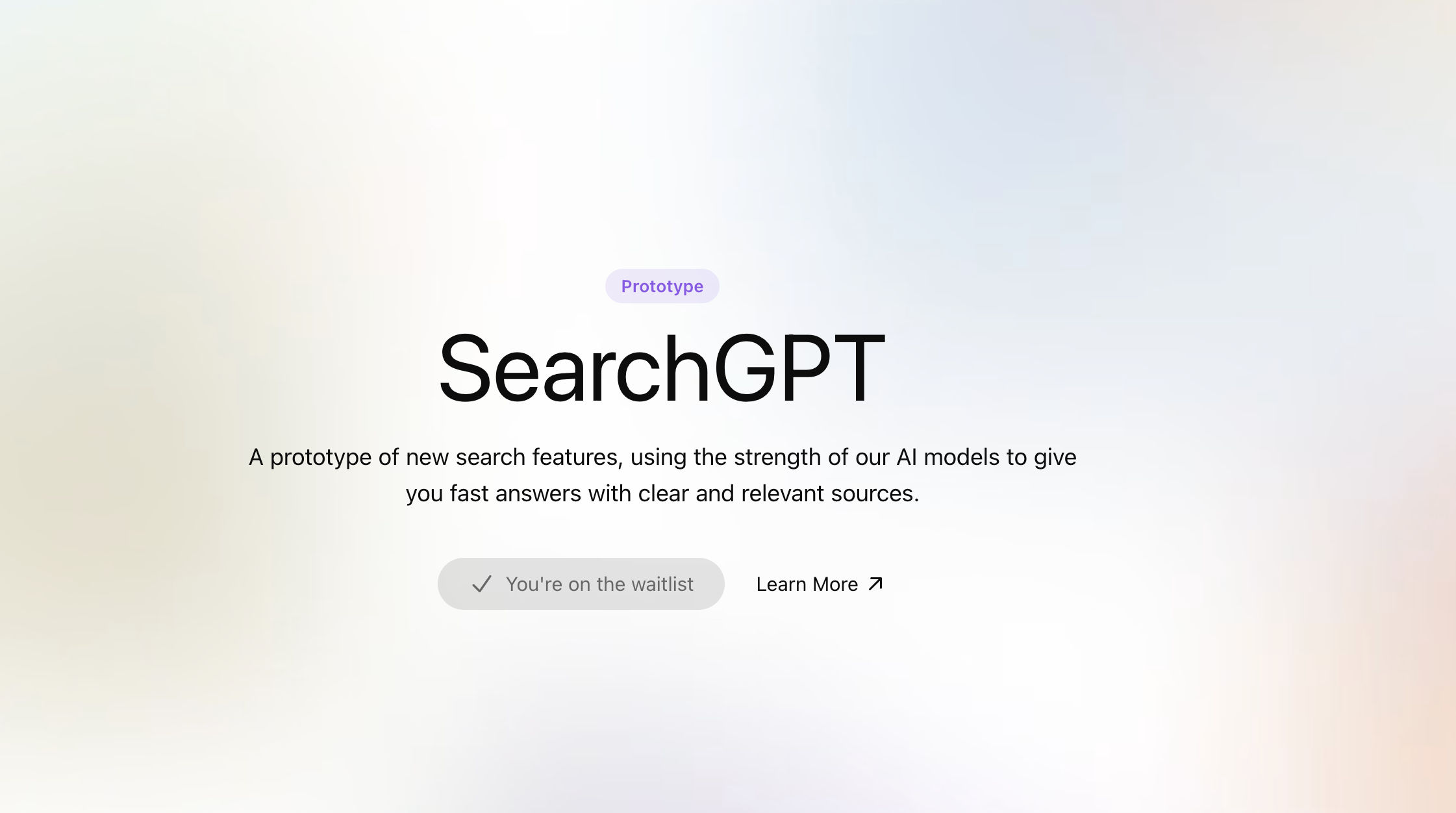
SearchGPT is an experimental search engine based on the GPT-4 architecture that aims to provide fast and up-to-date answers with clear and relevant sources. Users can sign up for a waiting list to try out this prototype. SearchGPT combines the strengths of OpenAI’s AI models with information from the web to make it easier to find relevant results.
 SearchGPT-2 (Image © OpenAI)
More articles on this topic:
The Challenges of Traditional Search Engines
Google has long been the undisputed market leader in the field of internet search. The search engine is known for its speed, accuracy, and a wide range of advanced features such as Google Maps, Google Scholar, and specialized search filters. However, there are also points of criticism, particularly regarding data privacy and the creation of filter bubbles through personalized results.
Bing
Bing, Microsoft’s search engine, is particularly known for its integration with Windows and other Microsoft products. Despite advanced features such as visual search, Bing continues to struggle with a smaller market share and is often perceived as less innovative compared to Google.
DuckDuckGo
DuckDuckGo stands out for its strong focus on privacy protection and avoiding filter bubbles. Without collecting user data, DuckDuckGo offers unbiased search results. However, the search engine lacks personalization and has a smaller reach than its larger competitors.
 SearchGPT Internetsuche (Image © OpenAI)
The Promises of SearchGPT
SearchGPT aims to overcome some of the biggest challenges faced by traditional search engines:
True Conversational Capability
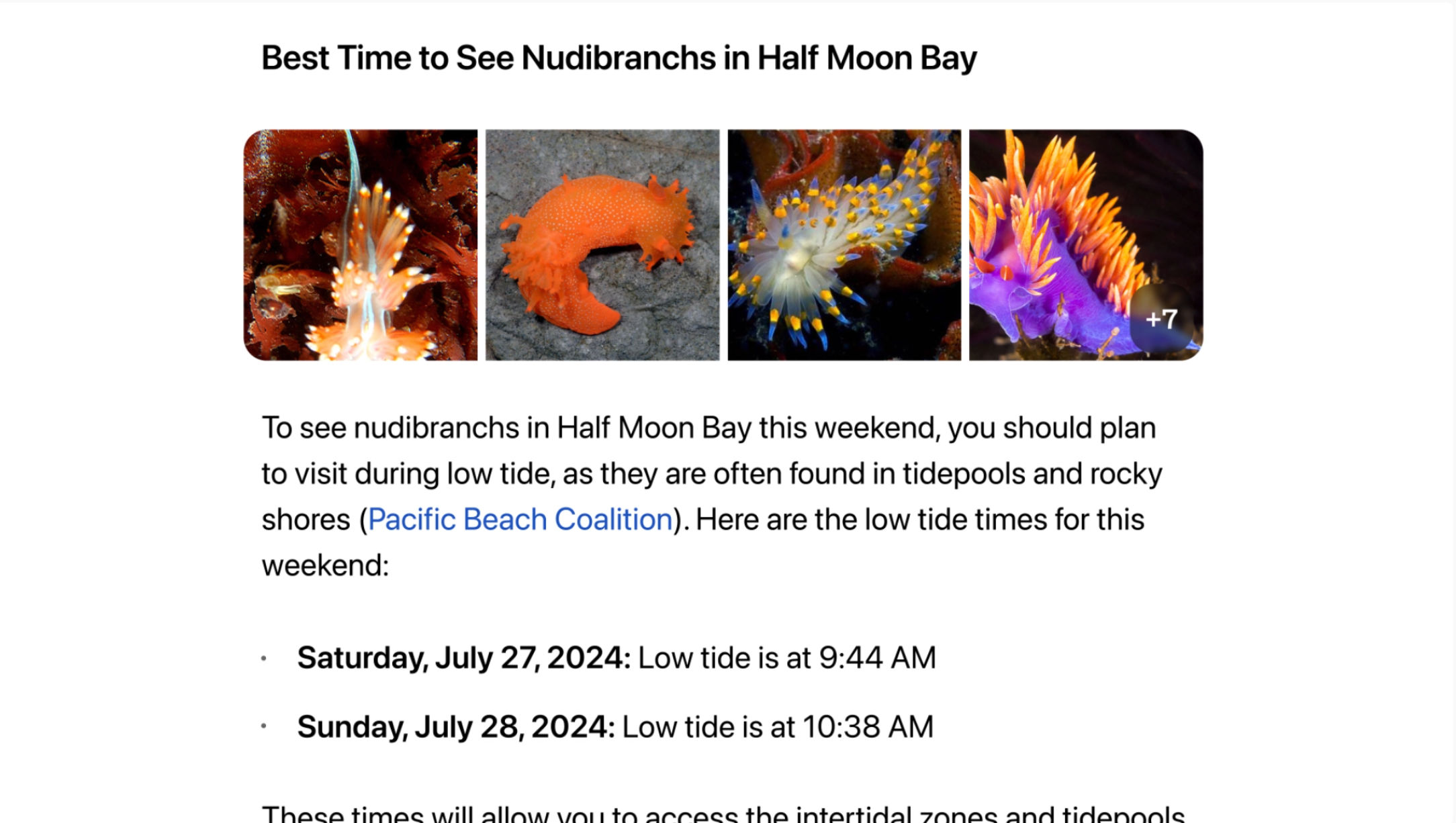
By integrating advanced natural language processing (NLP), SearchGPT can understand search queries in context and provide relevant, context-aware answers. This could reduce the need for multiple search attempts and increase efficiency.
Timeliness and Relevance
SearchGPT promises to provide up-to-date information from the web while offering clear links to relevant sources. This is intended to help users access the information they need more quickly and accurately.
Partnerships with Publishers
OpenAI is collaborating with publishers and content creators to ensure that high-quality content is highlighted. SearchGPT offers in-line attributions and links so that users know where the information comes from and can interact directly with the sources. This could represent a new form of collaboration between search engines and content creators to improve the quality and reliability of search results.
Critical Considerations Regarding SearchGPT
Despite SearchGPT’s promising approaches, there are also critical aspects that must be considered:
Privacy Concerns
As with any search engine that processes user data, SearchGPT also presents potential privacy issues. The question of how personal data is used and protected remains central. A key question is whether user data is used to finance the service, for example, by selling it to third parties.
Funding
The funding of SearchGPT is another critical issue. Traditional search engines like Google and Bing generate revenue primarily through advertising. It remains unclear how SearchGPT is funded and whether it also relies on advertising revenue or is considering other models such as subscriptions or data sales. Reliance on advertising revenue could lead to privacy issues similar to those seen with established search engines.
Technological Maturity
As a prototype, SearchGPT is still in an early stage of development. It remains to be seen how well the technology performs in practice and whether it lives up to the high expectations.
Adoption and Trust
The introduction of a new search technology requires time and trust on the part of users. It will be crucial how effectively OpenAI addresses users’ concerns and communicates the benefits of SearchGPT.
Conclusion
SearchGPT has the potential to revolutionize internet search by combining the strengths of advanced AI technologies with real-time information from the web. Nevertheless, it faces significant challenges, particularly when compared to established search engines like Google, Bing, and DuckDuckGo. Data privacy, technological maturity, and user acceptance are critical factors that will determine SearchGPT’s success. Interested users can sign up for the waitlist via this link to try out the prototype and get a firsthand look at the new possibilities. The future of internet search remains exciting, and it will be interesting to see how SearchGPT evolves in this dynamic field.