
 Computer Forum
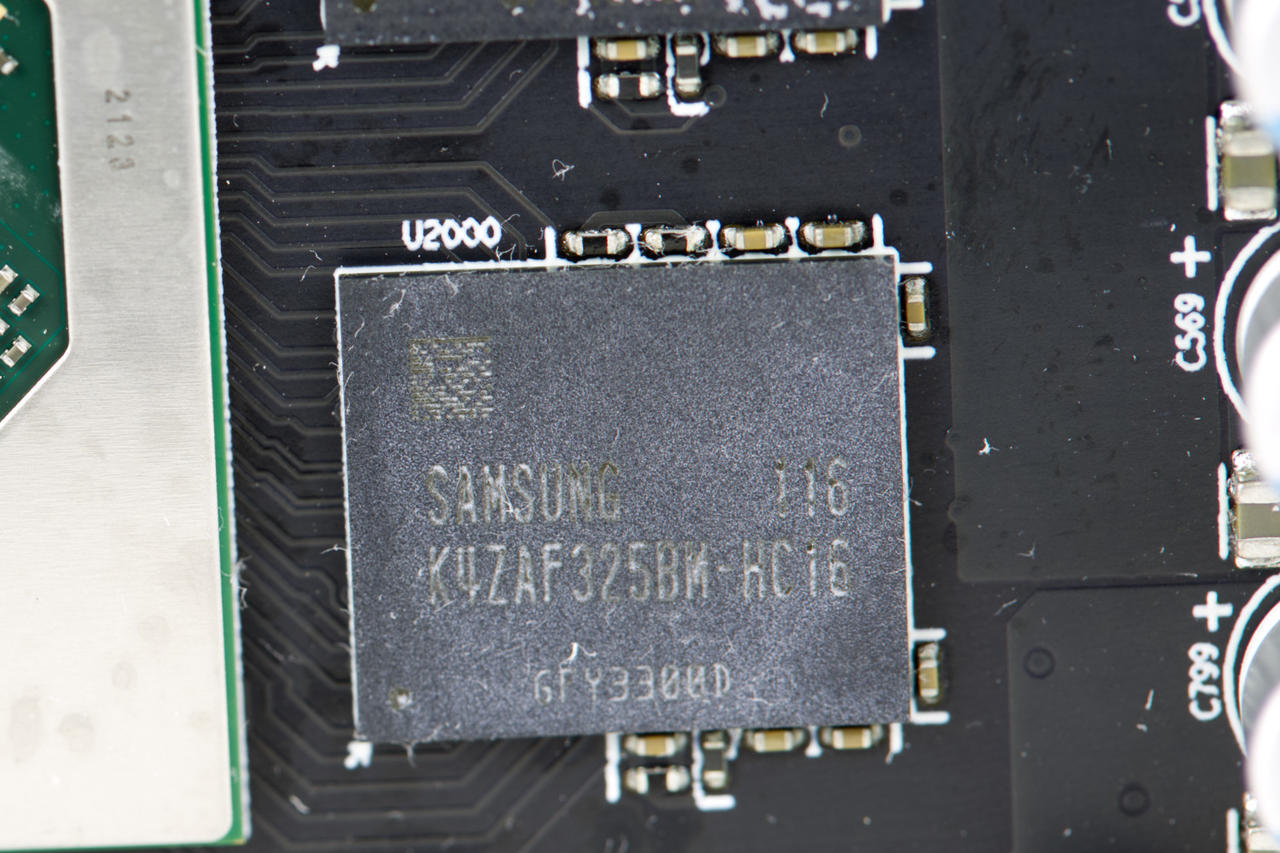 PowerColor Radeon RX 6600 XT Red Devil Samsung-GDDR6-K4ZAF325BM-HC16 (Image © PCMasters.de)
Pressure on the supply chain and component costs
The price adjustment is primarily due to the worsening shortage of GDDR6 memory. To optimize costs for its ecosystem, AMD typically controls the procurement of memory from major manufacturers such as Samsung, Micron and SK hynix. By entering into bulk purchase agreements, AMD can usually offer these components to partners such as ASUS, Sapphire and XFX at more favorable terms than these partners could achieve on their own. However, the current memory shortage has made it necessary to adjust these kit prices.
Possible impact on end-user prices
Although the cost of the GPU kit is increasing, this does not automatically mean a direct price increase of 10% for the end user. While the GPU kit is a significant part of the value of a graphics card, it is not the only cost factor; the cost of custom PCBs, cooling solutions and assembly also play a role.
The extent of the price shift at the retail level will depend on several factors:
- 1.Cost absorption by partners: whether board partners choose to absorb the cost or pass it on to the buyer.
-
- retailer strategy: how third party suppliers and resellers manage their pricing in response to new supply.
-
- timing of inventory: whether retailers maintain current prices on existing inventory or make immediate price increases in response to announcements of impending cost increases.
Long-term market outlook
This price increase suggests that the market volatility expected in the third quarter is occurring earlier than originally anticipated. We expect that further price adjustments could come in the coming months as Apple recently announced price increases. The sheer greed of memory factories is unprecedented and the switch to HBM memory production is driving prices up unnecessarily. There is less demand for AI accelerators and consumers continue to turn away from them. We see this development as worrying.