 Computer Forum
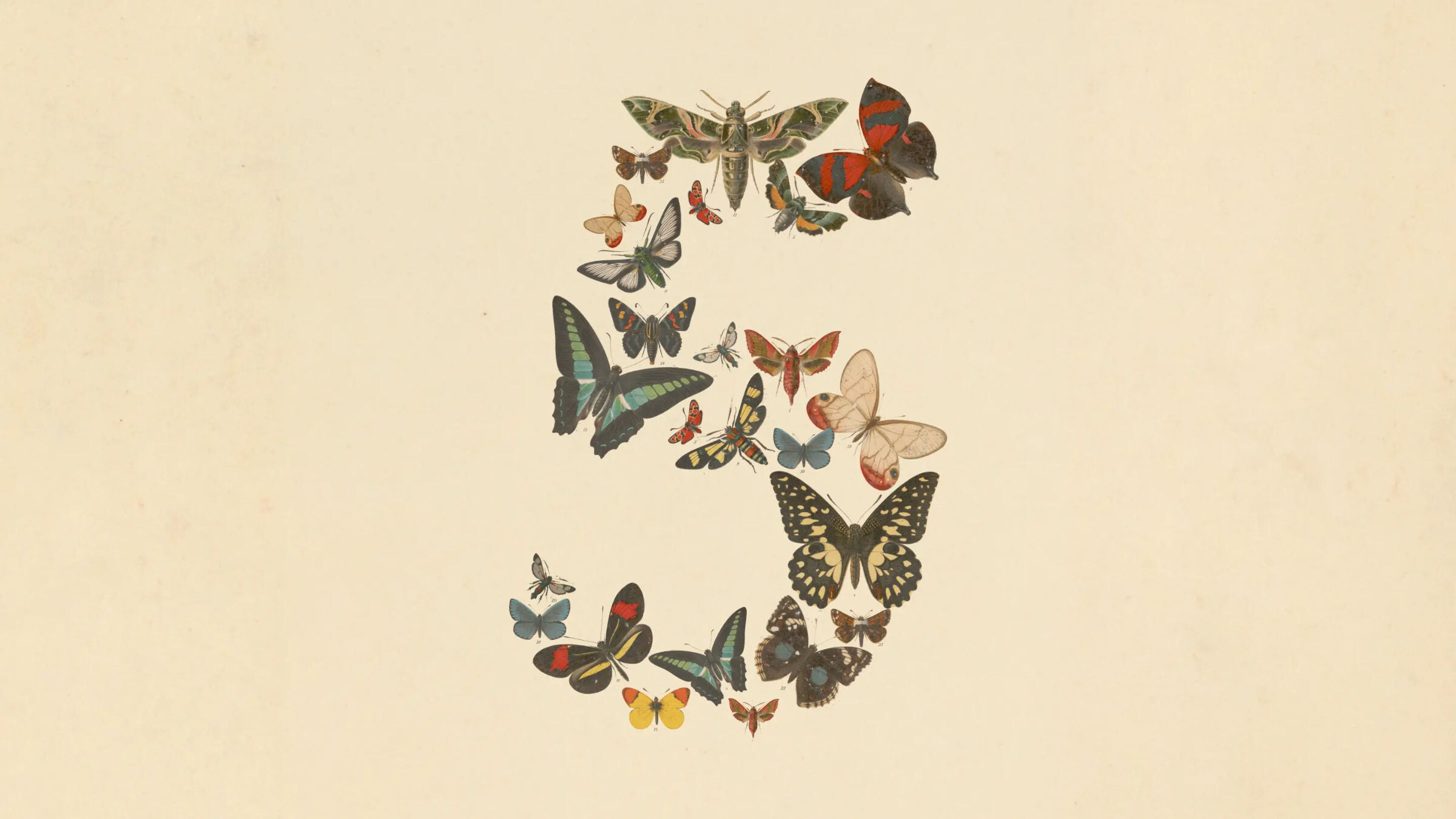 Claude Fable 5 und Mythos 5 Release (Image © Anthropic)
The launch is tied to certain usage parameters. Until July 7, subscribers with eligible plans can use Fable 5 for up to half of their weekly usage allotment. Once this limit is reached, further use of the model will require the purchase of credits. After the July 7 deadline, the model will switch to a credit-only access system.
Fable 5 is the first public version of the Myth Class architecture, which was originally unveiled on June 9. The model is designed for greater autonomy and efficiency in specialized areas, including software development, image processing and scientific research. It is characterized by its ability to handle complex and large-scale tasks more effectively than previous models in the Opus series.
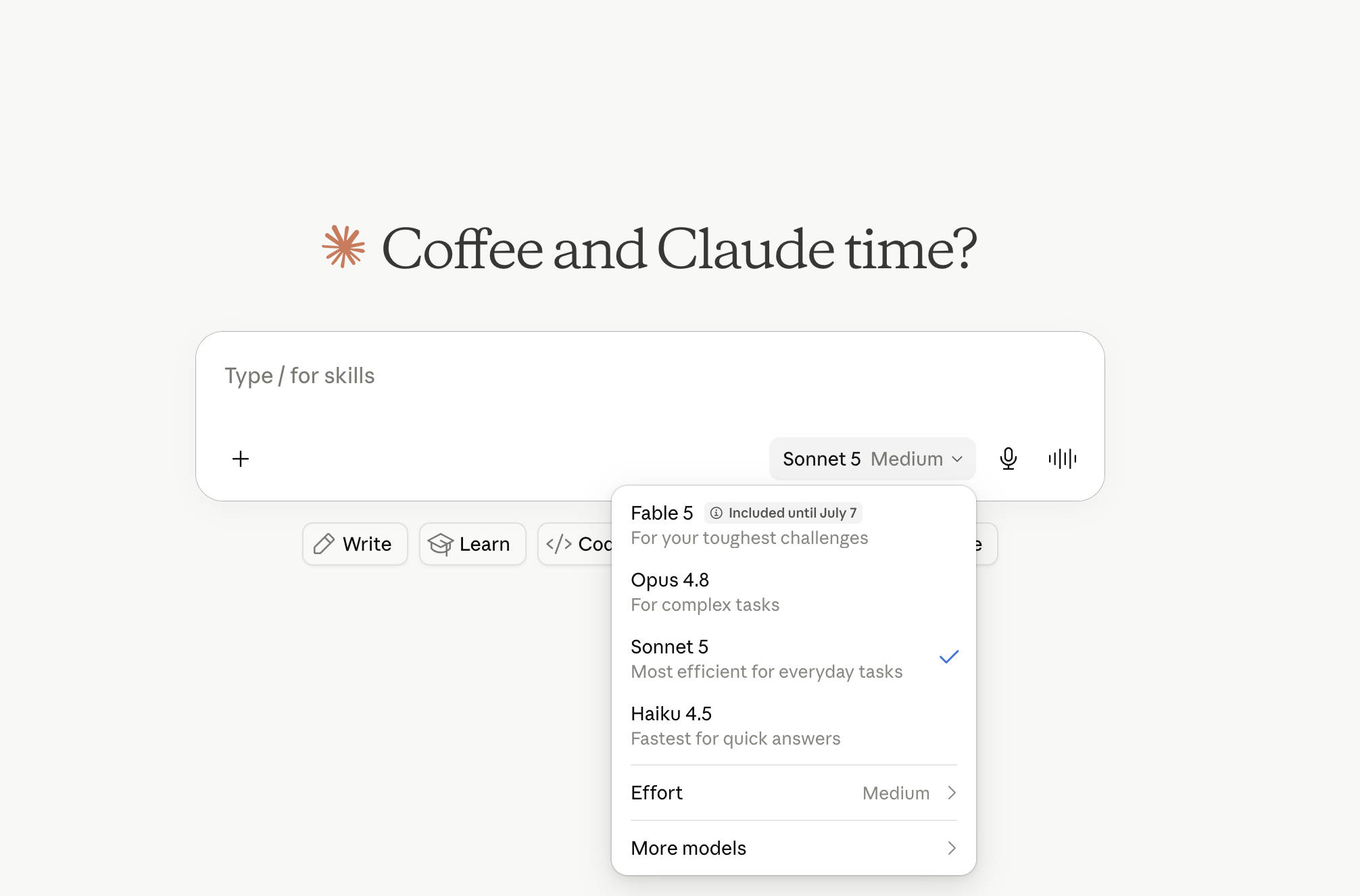 Anthropics Fable 5 Sonnet 5 (Image © PCMasters.de)
The availability of Fable 5 had previously been interrupted by government intervention. The Trump administration implemented export controls to prevent foreign nationals from accessing the model. With no system in place to verify the nationality of users, Anthropic blocked access entirely to comply with these regulations. This restriction also applied to Mythos 5, a model used as part of the Glasswing project to protect critical infrastructure.
Regulatory pressure intensified after researchers at Amazon discovered a method to bypass existing security filters, allowing the AI to detect software vulnerabilities. In response, Anthropic conducted an internal investigation, which revealed that other existing models from different developers were also vulnerable to the same problem. To address this, the company developed and implemented a new classifier that successfully blocks the evasion technique in more than 99% of cases.
Fable 5 is currently available to users on Pro, Max, Team and selected Enterprise plans. At the same time, access to Myth 5 has been restored for US-based organizations participating in Project Glasswing. To prevent future disruptions, Anthropic is expanding its collaboration with the U.S. government. This partnership will focus on joint research, information sharing and the introduction of new testing protocols prior to the release of future models.