
 Computer Forum
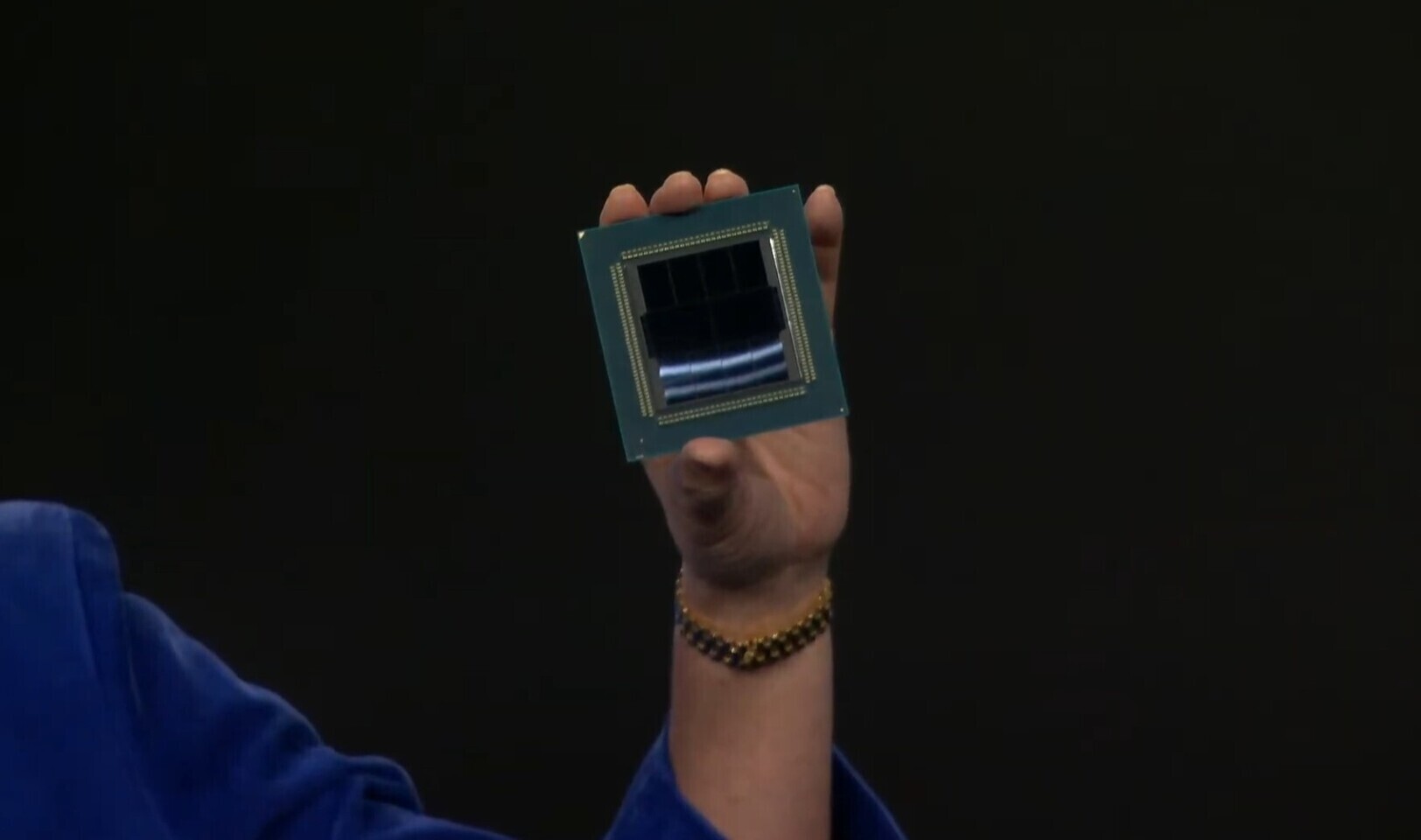 AMD EPYC Venice Zen6 CPU (Image © AMD)
From a technological standpoint, EPYC Venice is significant in that it is the first high-performance computing processor manufactured using TSMC’s 2-nm process. Production in Taiwan has already ramped up, and additional production capacity is planned at TSMC’s facility in Arizona. This architectural shift enables a significant increase in density; the flagship configuration will support up to 256 cores, representing a 33% increase over the 192-core limit of the previous EPYC Turin models. According to the company, this new generation offers efficiency and performance gains of over 70% compared to Zen 5 hardware.
The transition to Zen 6 involves a complete platform update, the main feature of which is the introduction of the SP7 socket. To handle the enormous data throughput, the system supports 16-channel memory capable of delivering a bandwidth of up to 1.6 TB/s. In addition, the integration of PCIe Gen 6 ensures faster communication between the CPU and GPU, which is crucial for workloads with AI accelerators. In production environments, these CPUs are designed for installation in Helios racks and use with Instinct MI455 GPUs.
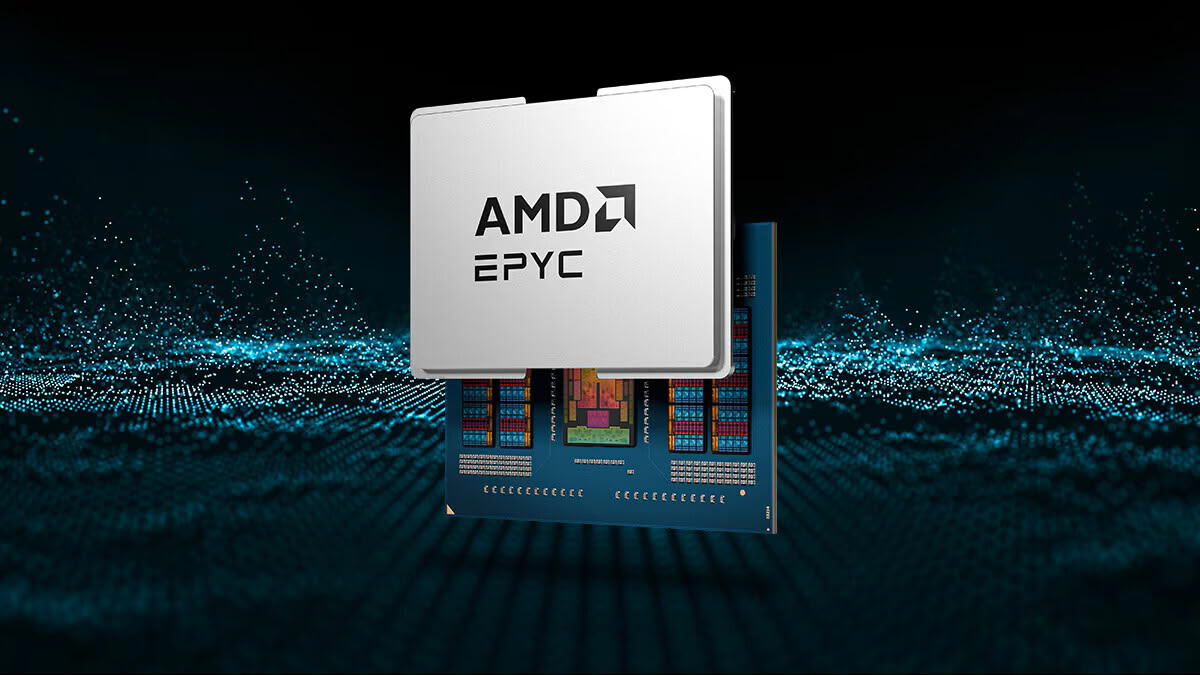 EPYC Venice Zen 6 Server CPUs (Image © AMD)
While EPYC Venice focuses on the enterprise sector, AMD’s roadmap for Zen 6 in the consumer segment remains separate from it. Although various leaks point to upcoming hardware such as Ryzen Threadripper “Mustang Peak,” the Ryzen 10000 series “Olympic Ridge,” and “Medusa Point” APUs, these products are not expected to hit the market until the end of the year at the earliest, with a debut likely planned for CES 2027 in January.