
 Computer Forum
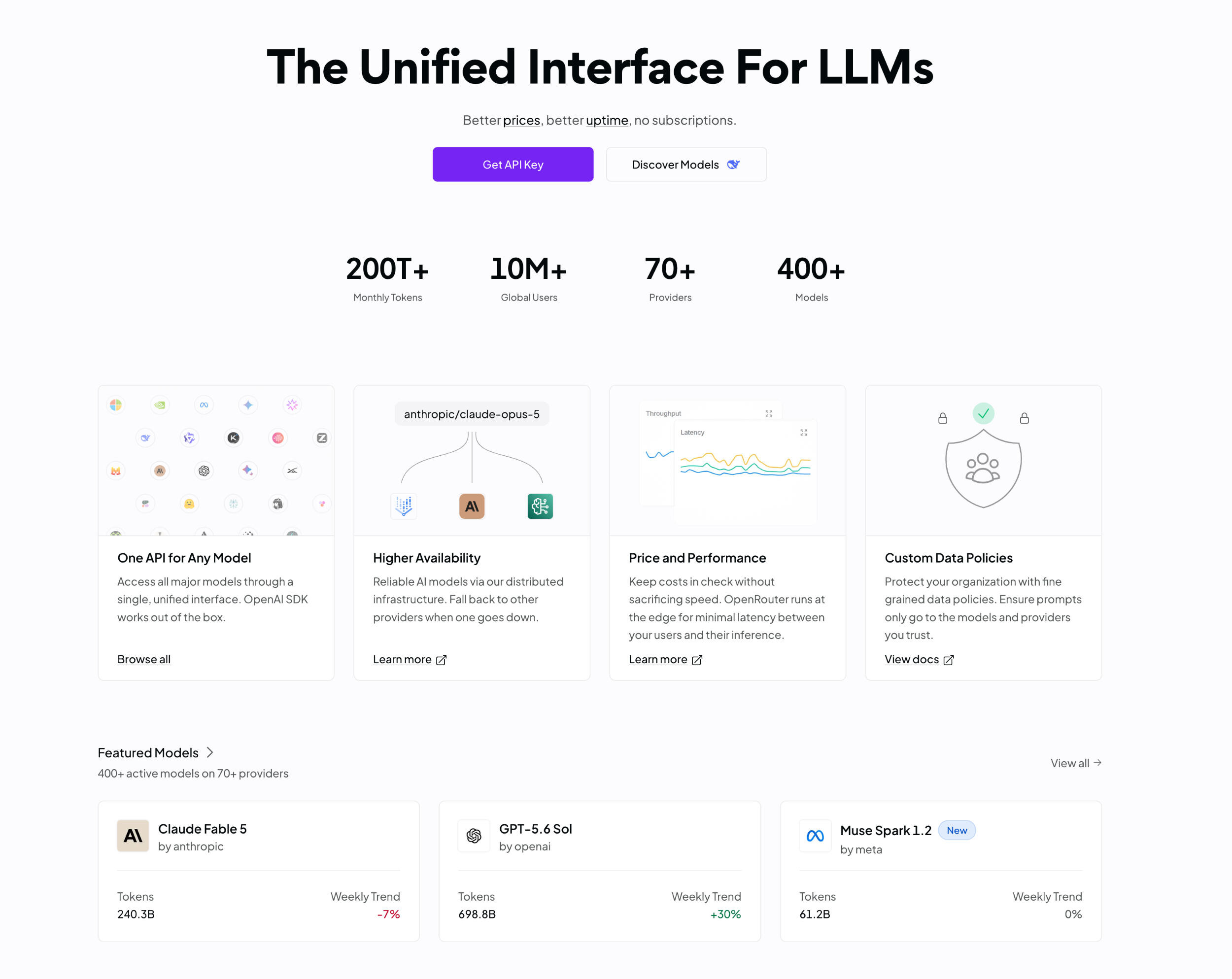 OpenRouter Was ist das (Image © PCMasters.de)
Centralizing Access to and Management of AI Models
OpenRouter acts as a middleware layer that forwards requests to the appropriate provider while centrally handling authentication and billing. This architecture eliminates the need for developers to maintain separate accounts with providers such as OpenAI, Anthropic, Google, and Meta.
By standardizing the interface, the platform eliminates several common development bottlenecks:
- Vendor lock-in: Applications are no longer tied to a specific provider’s proprietary API, making it easier to migrate to more efficient or cost-effective models.
- Service Outages: The system mitigates the impact of provider outages or rate limits through automated routing.
- Cost Monitoring: Users can compare the prices of different models side by side to optimize their spending.
- Local Deployment: In addition, this unified API can be used to leverage local models, which can be easily added to Cursor and Cursor Alternatives.
Improving Application Reliability Through Intelligent Routing
To ensure high availability, OpenRouter implements advanced routing and fallback mechanisms. Developers can configure a sequence of fallback models. If the primary model is unavailable or blocked by content moderation, the system automatically attempts to process the request using the next model in the chain.
For users seeking maximum convenience, an auto-router feature evaluates incoming prompts and selects the most suitable available model based on a performance rating system. To maximize reliability, technical best practices recommend creating fallback chains that span different providers and vary in cost, combining high-performance models with free or lower-cost alternatives to ensure consistent availability.
Advanced Technical Features for Production Environments
Beyond simple text generation, the platform supports several professional features designed for production-level AI applications.
Real-Time Token Streaming
To improve the user experience and reduce perceived latency, OpenRouter supports streaming. This allows responses to be transmitted in fragments as soon as they are generated, rather than waiting for the complete response.
Transparency of the Inference Process
Some models provide insight into their internal logic via inference tokens. These tokens are displayed in a field separate from the final result, allowing developers to understand how a model arrived at a specific conclusion. Users can control the intensity of this process by setting effort levels from low to high or by allocating a specific token budget for the inference phase.
Multimodal Data Processing
The platform goes beyond text and offers multimodal capabilities. Using an attachment parameter, developers can send images (via URLs or Base64 encoding) and PDF documents directly to supported models. OpenRouter handles the internal processing of these files, enabling tasks such as visual scene description and complex document analysis within a single query.
Ensuring Data Consistency Through Structured Output
For applications that require machine-readable data, OpenRouter supports structured output via JSON schema definitions. By using the “response_format” parameter, developers can enforce strict adherence to specific data types and fields. This functionality is crucial for tasks such as sentiment analysis or data extraction, where a response in free-text format would require unreliable regex evaluation. By using enums and arrays with required fields, the system guarantees that the output exactly matches the predefined schema, thereby reducing parsing errors and increasing the reliability of the downstream application code.